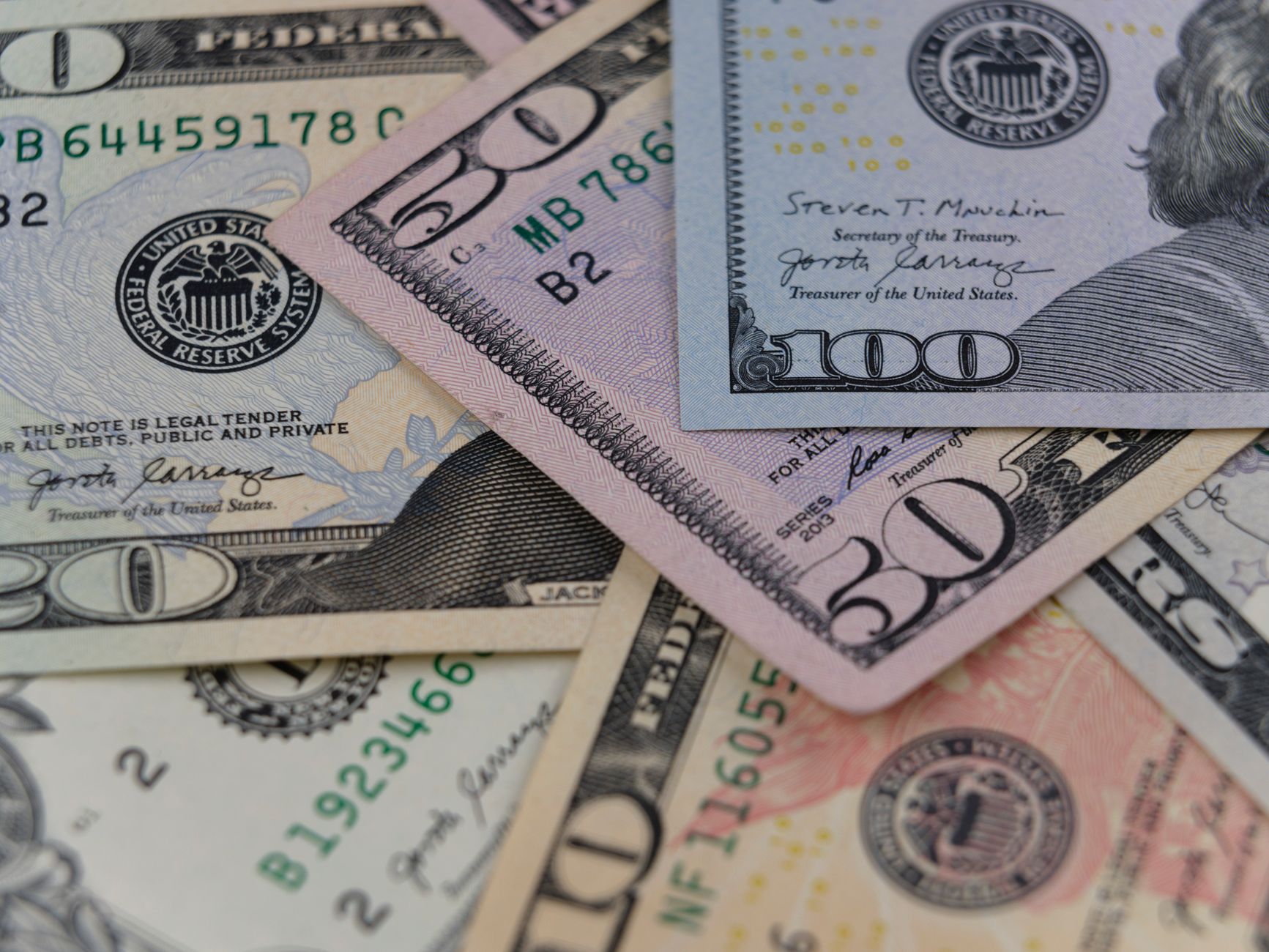
The US inflation rate fell in June, driven by decreasing gas prices, which have been a major contributor to the country’s inflation woes. The US inflation rate has been a topic of concern for economists and policymakers, as it has a significant impact on the overall economy. While the recent drop in inflation is a welcome relief, concerns remain that price rises could increase again due to the renewed conflict in the Middle East.
The conflict in the Middle East has the potential to disrupt oil supplies, leading to higher gas prices and, subsequently, higher inflation. This is a major concern for the US economy, as higher inflation can erode purchasing power and reduce consumer spending. The US Federal Reserve has been closely monitoring the inflation rate and has taken steps to curb it, including raising interest rates.
US Inflation and Gas Prices
Gas prices have been a major driver of US inflation in recent years. The price of gas has a significant impact on the overall inflation rate, as it affects the cost of transportation, production, and distribution of goods. When gas prices rise, it can lead to higher prices for a wide range of goods and services, from food to clothing.
The recent drop in gas prices has helped to reduce the US inflation rate, but it is unclear whether this trend will continue. The conflict in the Middle East has the potential to disrupt oil supplies, leading to higher gas prices and, subsequently, higher inflation. This is a major concern for the US economy, as higher inflation can erode purchasing power and reduce consumer spending.
Impact on the US Economy
The US inflation rate has a significant impact on the overall economy. Higher inflation can erode purchasing power and reduce consumer spending, leading to slower economic growth. On the other hand, lower inflation can lead to higher consumer spending and faster economic growth.
The US Federal Reserve has been closely monitoring the inflation rate and has taken steps to curb it, including raising interest rates. The Fed’s goal is to keep inflation at or below 2%, which is considered a healthy rate for the economy. However, the recent drop in inflation has led some to question whether the Fed’s actions are still necessary.
What’s Next for US Inflation?
It is unclear what the future holds for US inflation. The conflict in the Middle East has the potential to disrupt oil supplies, leading to higher gas prices and, subsequently, higher inflation. On the other hand, the recent drop in gas prices could lead to lower inflation, at least in the short term.
Some key factors to watch include:
- Oil prices: The price of oil has a significant impact on the US inflation rate. If oil prices rise, it could lead to higher gas prices and, subsequently, higher inflation.
- Conflict in the Middle East: The conflict in the Middle East has the potential to disrupt oil supplies, leading to higher gas prices and, subsequently, higher inflation.
- Federal Reserve actions: The US Federal Reserve has been closely monitoring the inflation rate and has taken steps to curb it, including raising interest rates. The Fed’s actions will be closely watched in the coming months.
Conclusion
The US inflation rate fell in June, driven by decreasing gas prices. However, concerns remain that price rises could increase again due to the renewed conflict in the Middle East. The US Federal Reserve has been closely monitoring the inflation rate and has taken steps to curb it, including raising interest rates. As the situation continues to evolve, it is essential to keep a close eye on the key factors that could impact US inflation, including oil prices, the conflict in the Middle East, and Federal Reserve actions.
Source: bbc.co.uk.






Be First to Comment