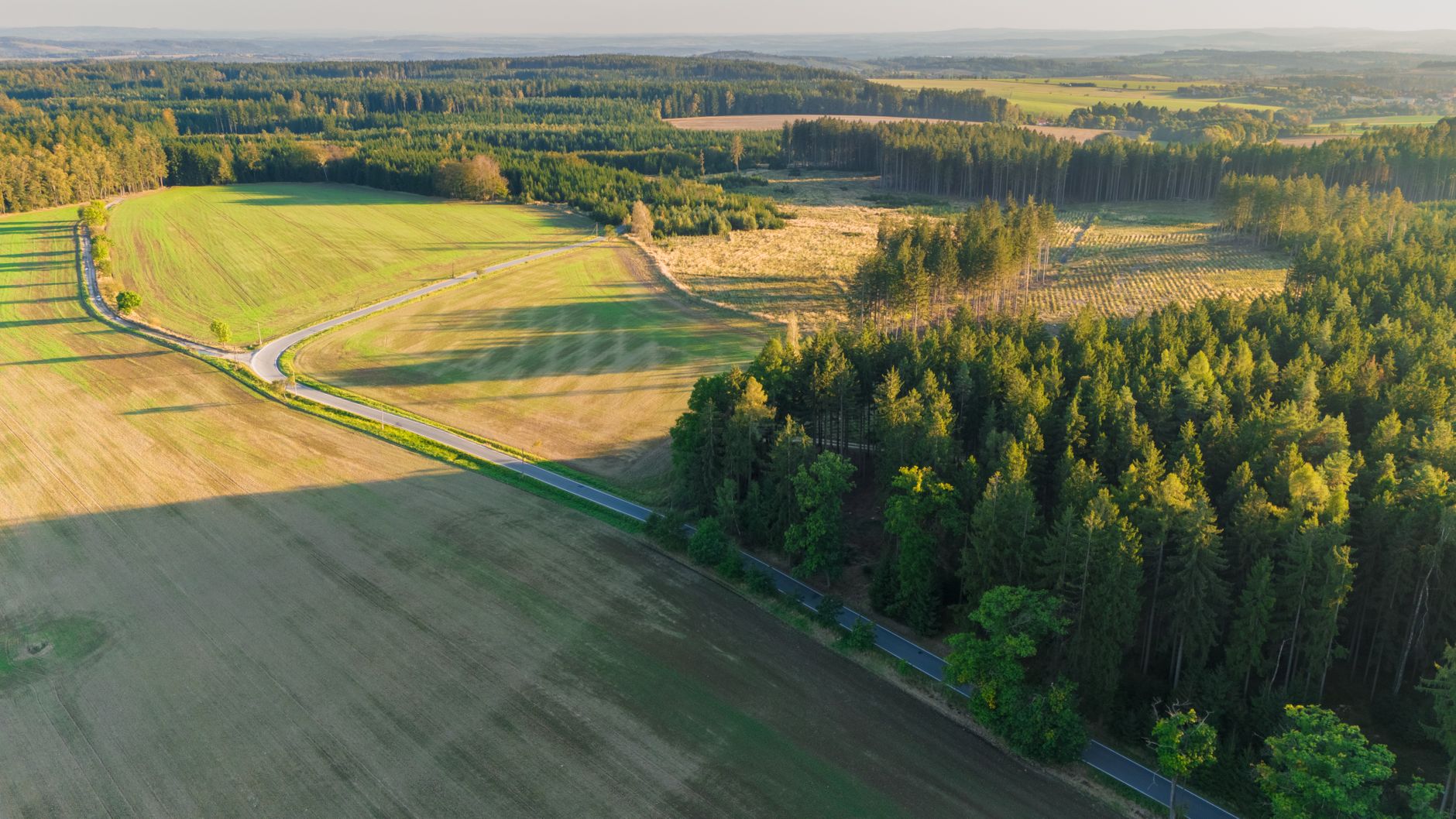
The land transfer of 105 acres from NASA’s Goddard Space Flight Center to the Patuxent Research Refuge marks a significant milestone in conservation efforts. Land transfer has been a topic of discussion between NASA and the U.S. Fish and Wildlife Service since 2021. The transferred land, formerly known as Area 400, is now part of the largest block of unfragmented forest between Washington and Baltimore.
The Patuxent Research Refuge is the nation’s only refuge specifically established to support wildlife research. The refuge also supports recreational uses, such as walking, biking, horseback riding, fishing, and hunting. The land transfer is expected to boost these activities and provide a unique opportunity for conservation and research.
Land Transfer and Conservation
The land transfer is a significant step towards preserving the natural beauty of the area. The transferred land is almost entirely wooded, with a two-and-a-half-acre clearing and 11 small structures. Prior to the transfer, NASA used the land for propellant research, but this work has largely shifted to other facilities or commercial providers.
The interagency transfer was effective on February 23, and NASA recently completed its final closeout activities at the property, deconstructing the buildings, roadway, and utility service. This transfer is expected to have a positive impact on the environment and provide new opportunities for research and recreation.
Benefits of the Land Transfer
The land transfer is expected to have numerous benefits, including:
- Boosting conservation efforts and preserving natural habitats
- Supporting wildlife research and providing a unique opportunity for scientists to study and learn from the area’s diverse wildlife
- Expanding outdoor recreation opportunities, such as walking, biking, and horseback riding
- Providing a unique opportunity for the public to engage with nature and learn about conservation efforts
The land transfer is a significant step towards preserving the natural beauty of the area and providing new opportunities for research and recreation. The transfer is expected to have a positive impact on the environment and provide a unique opportunity for the public to engage with nature.
Conclusion and Future Directions
In conclusion, the land transfer of 105 acres from NASA’s Goddard Space Flight Center to the Patuxent Research Refuge is a significant milestone in conservation efforts. The transfer is expected to boost conservation efforts, support wildlife research, and provide new opportunities for outdoor recreation. As the area continues to evolve and grow, it will be exciting to see the impact of this land transfer and the benefits it will bring to the environment and the public.
Land Transfer and the Future of Conservation
The land transfer is a significant step towards preserving the natural beauty of the area and providing new opportunities for research and recreation. As the world continues to evolve and grow, it will be exciting to see the impact of this land transfer and the benefits it will bring to the environment and the public. The future of conservation is bright, and the land transfer is a significant step towards preserving the natural beauty of the area for generations to come.
Source: nasa.gov.


Be First to Comment