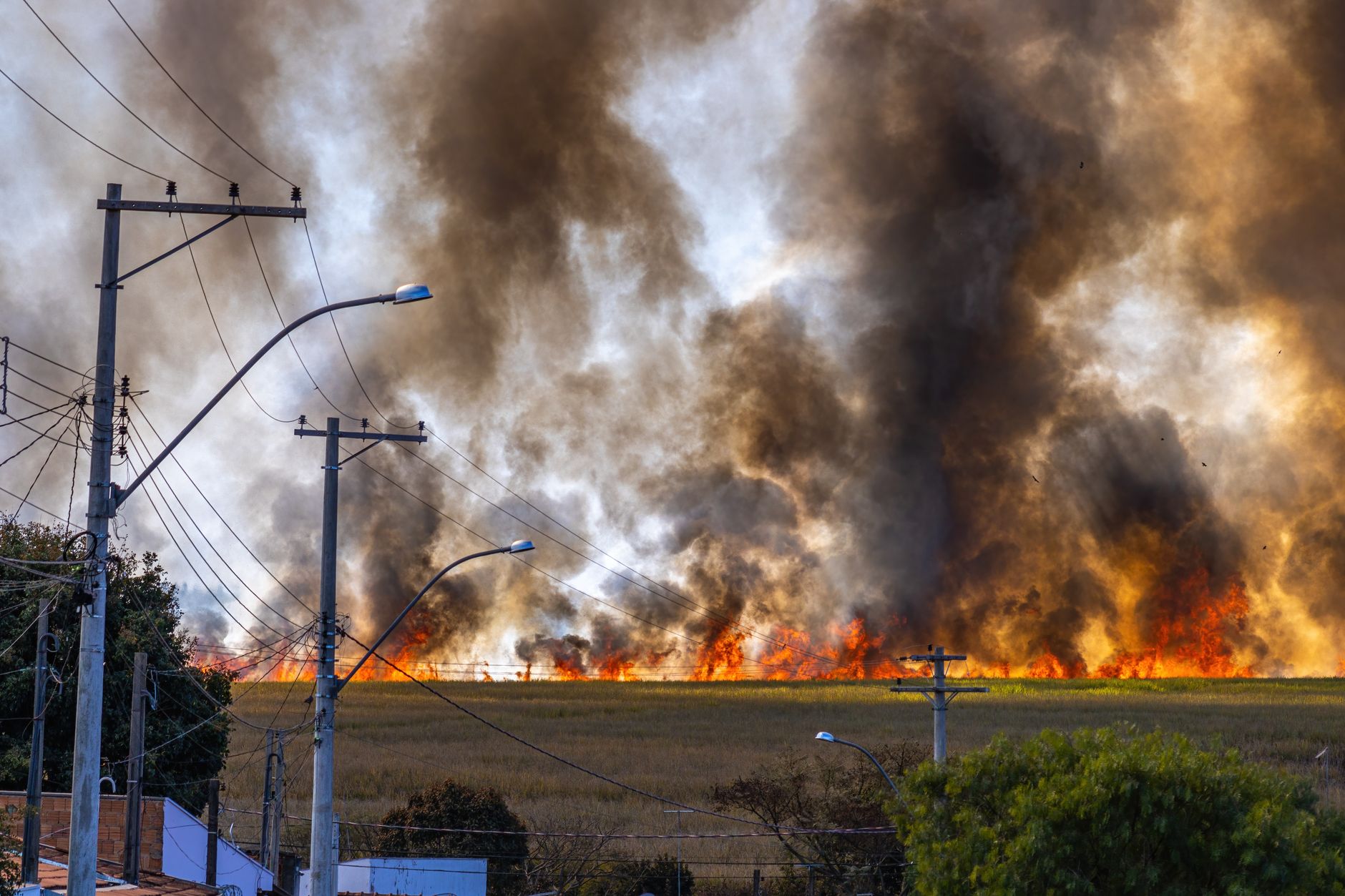
Wildfire smoke has become a major concern in recent years, with its impact on prenatal health being a significant area of focus. In the 1960s, a presidential advisory panel warned about the dangers of chemical and carbon pollution, leading to the passage of the Clean Air Act in 1970. Since then, emissions from vehicles and industrial sources have decreased by nearly 80 percent. However, wildfire smoke has begun to eclipse these gains, with its toxic effects being more harmful than pollution from other sources.
The unchecked burning of fossil fuels has created warmer, drier conditions that make wildfires more intense and destructive. This, in turn, has led to communities being blanketed in toxic smoke that is more harmful than pollution from other sources. The evidence is mounting, and it is clear that wildfire smoke is a growing threat to prenatal health.
Wildfire Smoke: A Growing Concern
Wildfire smoke is made up of a mixture of gases and fine particles that can be harmful to human health. The particles, known as particulate matter, can penetrate deep into the lungs, causing inflammation and damage. This can lead to a range of health problems, including respiratory issues, cardiovascular disease, and even cancer.
In addition to the physical health risks, wildfire smoke can also have a significant impact on mental health. The stress and anxiety caused by the threat of wildfires can be overwhelming, leading to increased rates of depression and anxiety.
The Impact on Prenatal Health
Wildfire smoke has been shown to have a significant impact on prenatal health, with studies suggesting that it can increase the risk of premature birth, low birth weight, and birth defects. This is particularly concerning, as the effects of wildfire smoke on prenatal health can be long-lasting, with some studies suggesting that exposure to wildfire smoke in utero can lead to health problems later in life.
- Premature birth: Wildfire smoke has been shown to increase the risk of premature birth, which can lead to a range of health problems for the baby.
- Low birth weight: Exposure to wildfire smoke has been linked to low birth weight, which can increase the risk of health problems for the baby.
- Birth defects: Some studies have suggested that exposure to wildfire smoke may increase the risk of birth defects, although more research is needed to confirm this.
What Can Be Done?
So, what can be done to mitigate the effects of wildfire smoke on prenatal health? One of the most effective ways to reduce exposure to wildfire smoke is to stay indoors when air quality is poor. This can help to reduce the amount of particulate matter that is inhaled, which can help to minimize the risks to health.
In addition to staying indoors, there are a number of other steps that can be taken to reduce exposure to wildfire smoke. These include using air purifiers, avoiding strenuous activity when air quality is poor, and wearing a mask when outdoors. By taking these steps, individuals can help to minimize their exposure to wildfire smoke and reduce the risks to their health.
Conclusion
In conclusion, wildfire smoke is a growing concern that poses significant risks to prenatal health. The evidence is clear: wildfire smoke is more harmful than pollution from other sources, and it is essential that we take steps to mitigate its effects. By staying indoors when air quality is poor, using air purifiers, and taking other precautions, individuals can help to reduce their exposure to wildfire smoke and minimize the risks to their health.
Source: arstechnica.com.





Be First to Comment