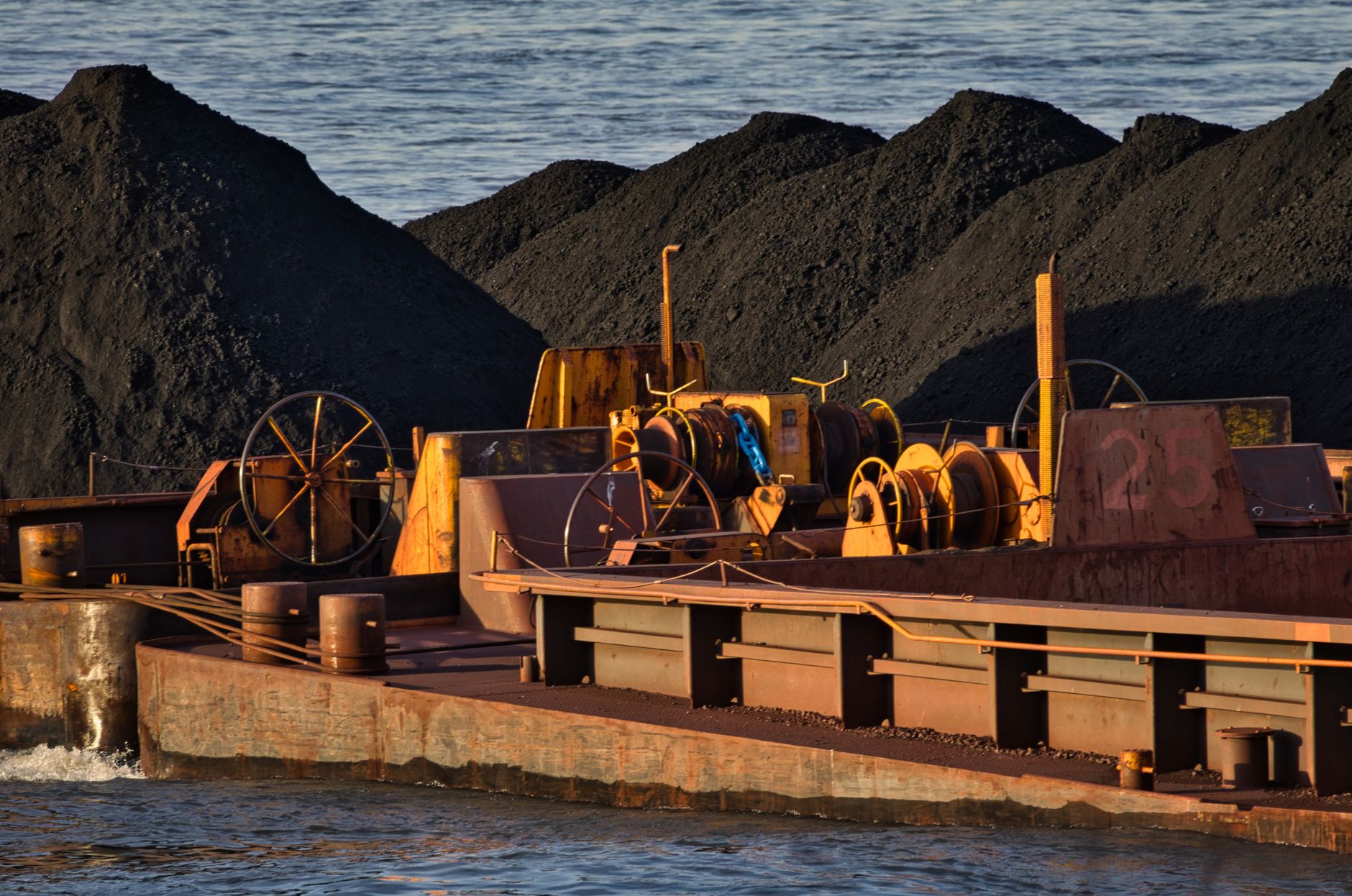
Australia’s coal exports have been at the center of a new United Nations case, with a group claiming that the country’s continued approval of fossil fuel exports is unlawful and violates human rights. The focus is on coal exports and their impact on the environment and public health. The case highlights the need for countries to balance their economic interests with their environmental and social responsibilities.
The group argues that coal exports are a major contributor to climate change, which has severe consequences for human health, including heat-related illnesses, respiratory problems, and mental health issues. They also point out that the extraction and transportation of coal can have devastating effects on local ecosystems and communities.
Coal Exports and Human Rights
The case against Australia’s coal exports is based on the idea that the country has a duty to protect its citizens from the harmful effects of climate change. The group claims that by continuing to approve coal exports, Australia is failing to meet its human rights obligations. This is a critical issue, as coal exports are a significant contributor to the country’s economy.
However, the Australian government has argued that coal exports are essential for the country’s economic growth and energy security. They point out that coal is still a major source of energy for many countries, and that Australia has a responsibility to meet the global demand for this resource.
The Environmental Impact of Coal Exports
The environmental impact of coal exports is a major concern. The extraction and transportation of coal can have severe effects on local ecosystems, including deforestation, water pollution, and habitat destruction. Additionally, the burning of coal for energy releases large amounts of greenhouse gases, including carbon dioxide and methane, which contribute to climate change.
Some of the key environmental impacts of coal exports include:
- Deforestation and habitat destruction
- Water pollution from coal mining and transportation
- Air pollution from coal burning
- Climate change and its associated impacts
These impacts are not only limited to the environment, but also have significant effects on human health and well-being. The World Health Organization estimates that air pollution from fossil fuels, including coal, is responsible for millions of premature deaths worldwide each year.
The Economic Benefits of Coal Exports
Despite the environmental and health concerns, coal exports are a significant contributor to Australia’s economy. The country is one of the world’s largest exporters of coal, and the industry provides thousands of jobs and generates billions of dollars in revenue each year.
However, the economic benefits of coal exports must be weighed against the environmental and social costs. As the world transitions to cleaner energy sources, the demand for coal is likely to decline, and countries like Australia will need to diversify their economies to remain competitive.
Conclusion and Future Directions
In conclusion, the case against Australia’s coal exports highlights the complex issues surrounding fossil fuel extraction and transportation. While coal exports are a significant contributor to the country’s economy, they also have severe environmental and health impacts. As the world continues to transition to cleaner energy sources, countries like Australia will need to balance their economic interests with their environmental and social responsibilities. The future of coal exports is uncertain, and it remains to be seen how the industry will evolve in response to changing global demand and environmental concerns.
Source: bbc.co.uk.






Be First to Comment