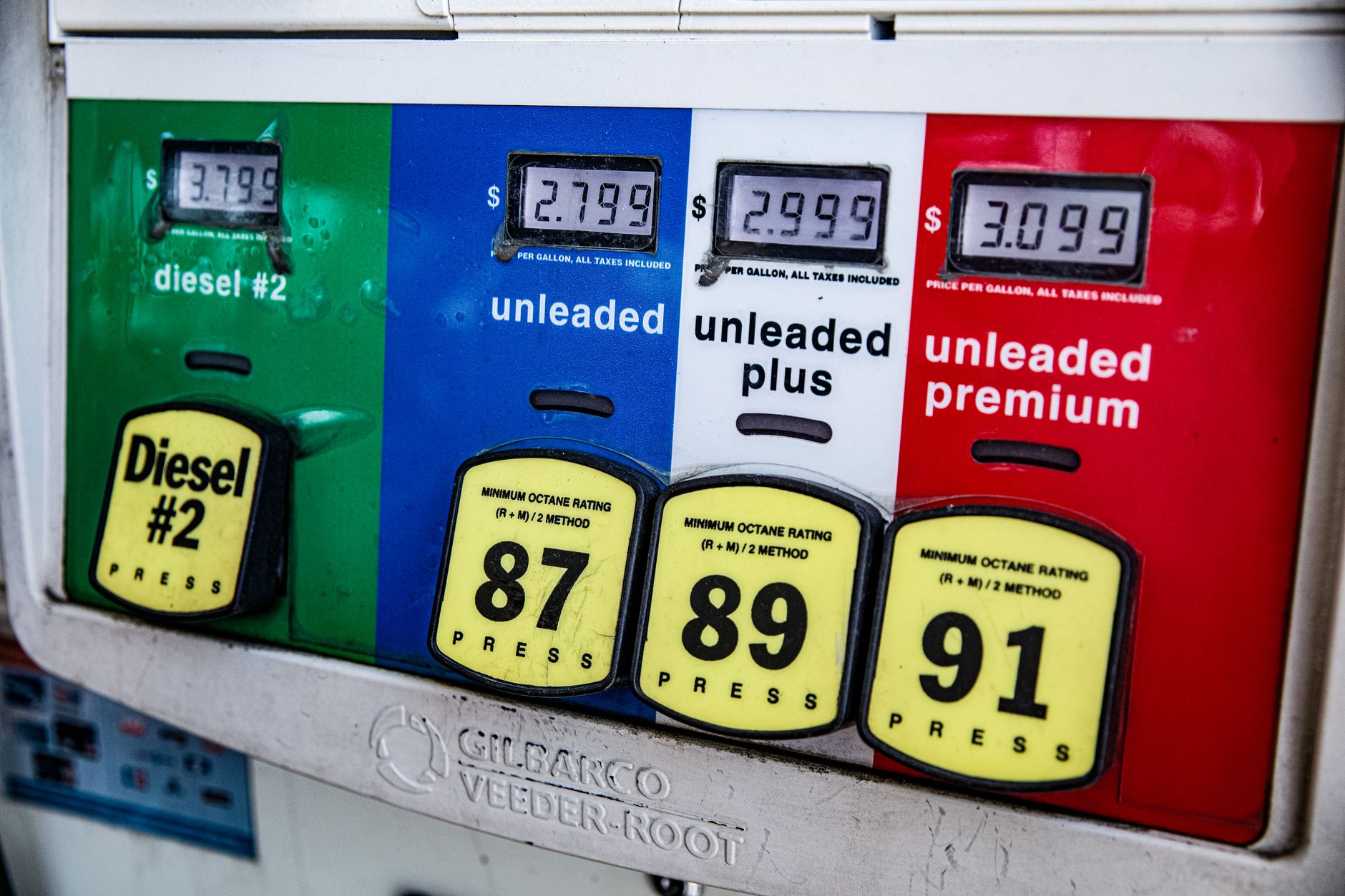
Oil prices have been a significant concern for the global economy, and recent developments have led to a fall in oil prices. The Strait of Hormuz, a crucial oil shipping route, has been a point of contention, and hopes of its reopening have contributed to the decline in oil prices. US Secretary of State Marco Rubio and Treasury Secretary Scott Bessent announced that talks had progressed, allowing shipments to resume.
The impact of oil prices on the global economy cannot be overstated. As a vital component of international trade, oil prices have a ripple effect on various industries, from transportation to manufacturing. The recent fall in oil prices is expected to have a positive impact on the economy, as it will lead to lower production costs and increased consumer spending.
Understanding Oil Prices
Oil prices are influenced by a complex array of factors, including global demand, production levels, and geopolitical events. The Organization of the Petroleum Exporting Countries (OPEC) plays a significant role in determining oil prices, as its member countries are responsible for a substantial portion of the world’s oil production. The recent talks between the US and other countries have led to hopes of increased oil production, which has contributed to the fall in oil prices.
The oil prices have a significant impact on the environment, as the extraction, production, and consumption of oil contribute to greenhouse gas emissions. The shift towards renewable energy sources has been gaining momentum, and the fall in oil prices may accelerate this trend. As the world transitions towards a more sustainable energy mix, the importance of oil prices will continue to diminish.
Factors Influencing Oil Prices
Several factors influence oil prices, including:
- Global demand: The demand for oil is a significant driver of oil prices. As the global economy grows, the demand for oil increases, leading to higher prices.
- Production levels: The production levels of oil-producing countries, particularly OPEC members, have a significant impact on oil prices. Increased production leads to lower prices, while decreased production leads to higher prices.
- Geopolitical events: Geopolitical events, such as conflicts and sanctions, can disrupt oil supplies and lead to higher prices.
The recent talks between the US and other countries have led to hopes of increased oil production, which has contributed to the fall in oil prices. However, the impact of these talks on the global economy and the environment remains to be seen.
Implications of Falling Oil Prices
The fall in oil prices has significant implications for the global economy. Lower oil prices will lead to lower production costs, increased consumer spending, and economic growth. However, the impact on the environment may be negative, as the shift towards renewable energy sources may be slowed.
The oil prices have a significant impact on the global economy, and the recent fall in oil prices is expected to have a positive impact. As the world transitions towards a more sustainable energy mix, the importance of oil prices will continue to diminish.
Conclusion
In conclusion, the recent fall in oil prices is a significant development that will have a positive impact on the global economy. The talks between the US and other countries have led to hopes of increased oil production, which has contributed to the fall in oil prices. As the world transitions towards a more sustainable energy mix, the importance of oil prices will continue to diminish, and the focus will shift towards renewable energy sources.
Source: bbc.co.uk.






Be First to Comment