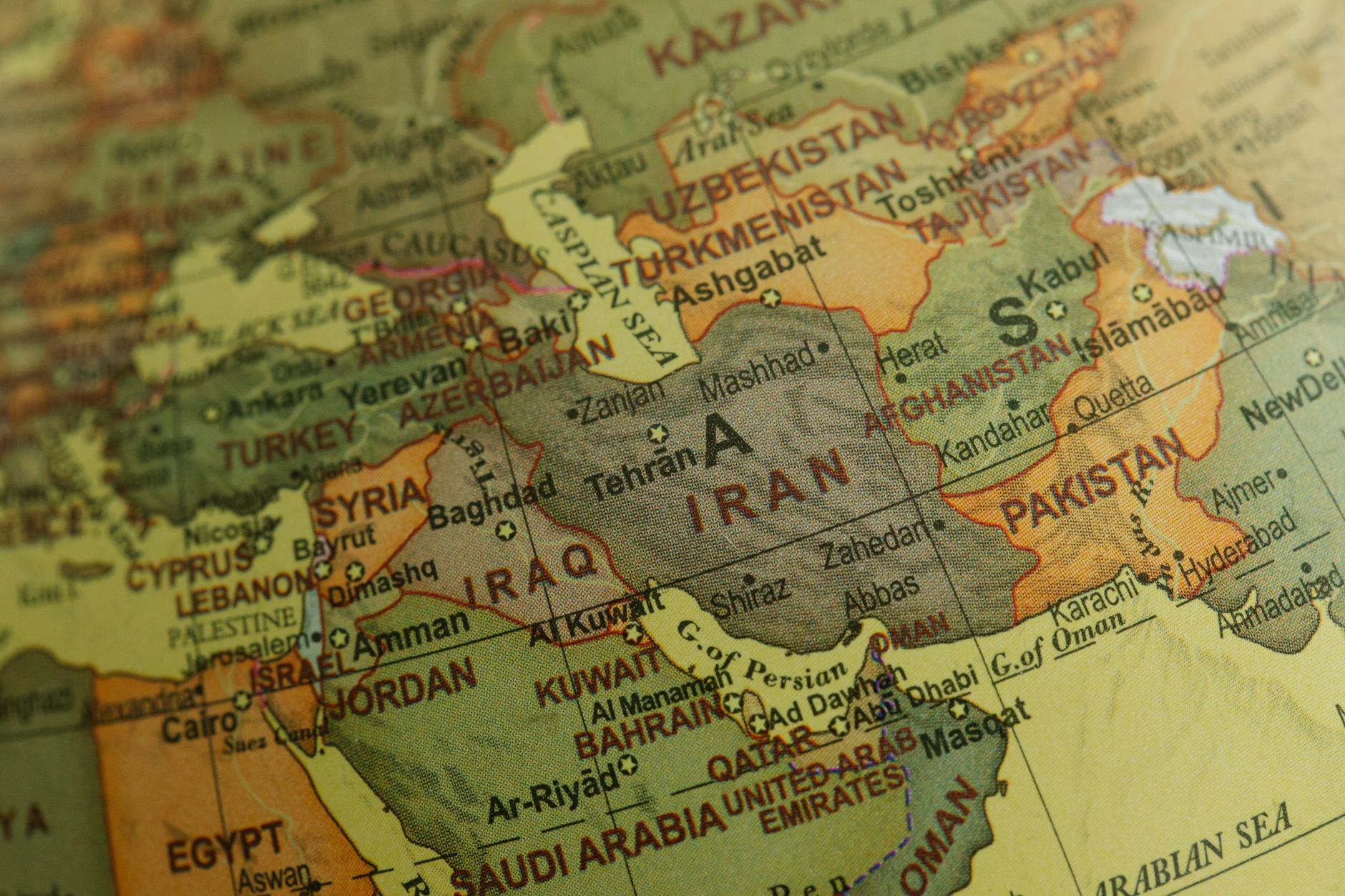
Iran tensions have been escalating in recent months, with the defence secretary warning that Britain stands ready to respond to any attacks Iran wishes to wage against this country or our allies. The iran tensions have been rising due to various factors, including geopolitical rivalries and competing interests in the region. The defence secretary’s statement highlights the need for vigilance and preparedness in the face of iran tensions.
The current situation is complex, with multiple players involved and various agendas at play. To understand the iran tensions, it is essential to consider the historical context and the key events that have led to the current state of affairs.
Iran Tensions: Historical Context
The iran tensions have their roots in the early 20th century, when Iran was a major player in the global oil market. The country’s strategic location and vast oil reserves made it an attractive target for foreign powers. Over the years, Iran has been subject to various forms of interference, including coups, sanctions, and military interventions.
One of the most significant events in recent history was the 1979 Iranian Revolution, which saw the overthrow of the monarchy and the establishment of an Islamic republic. The new government’s anti-Western stance and support for various militant groups have contributed to the iran tensions.
Key Players and Interests
The iran tensions involve multiple players, each with their own interests and agendas. The key players include:
- Iran: The Iranian government is seeking to assert its influence in the region and protect its interests.
- United States: The US is seeking to contain Iranian influence and protect its allies in the region.
- European Union: The EU is seeking to maintain stability in the region and promote diplomatic solutions.
- Israel: Israel is seeking to protect its security and prevent Iranian expansion.
These competing interests have created a complex web of alliances and rivalries, contributing to the iran tensions. The situation is further complicated by the presence of various militant groups, including Hezbollah and Hamas.
Implications and Questions to Watch
The iran tensions have significant implications for global security and stability. The situation is highly volatile, and any miscalculation could lead to devastating consequences. Some of the key questions to watch include:
How will the Iranian government respond to the defence secretary’s statement? Will the US and EU be able to find common ground and promote a diplomatic solution? What role will Israel play in the conflict, and how will its actions affect the iran tensions?
Conclusion
The iran tensions are a complex and multifaceted issue, with far-reaching implications for global security and stability. As the situation continues to evolve, it is essential to remain vigilant and informed, considering the various factors and interests at play. By understanding the iran tensions and their historical context, we can better navigate the complexities of the situation and work towards a more peaceful and stable future.
Source: bbc.co.uk.






Be First to Comment