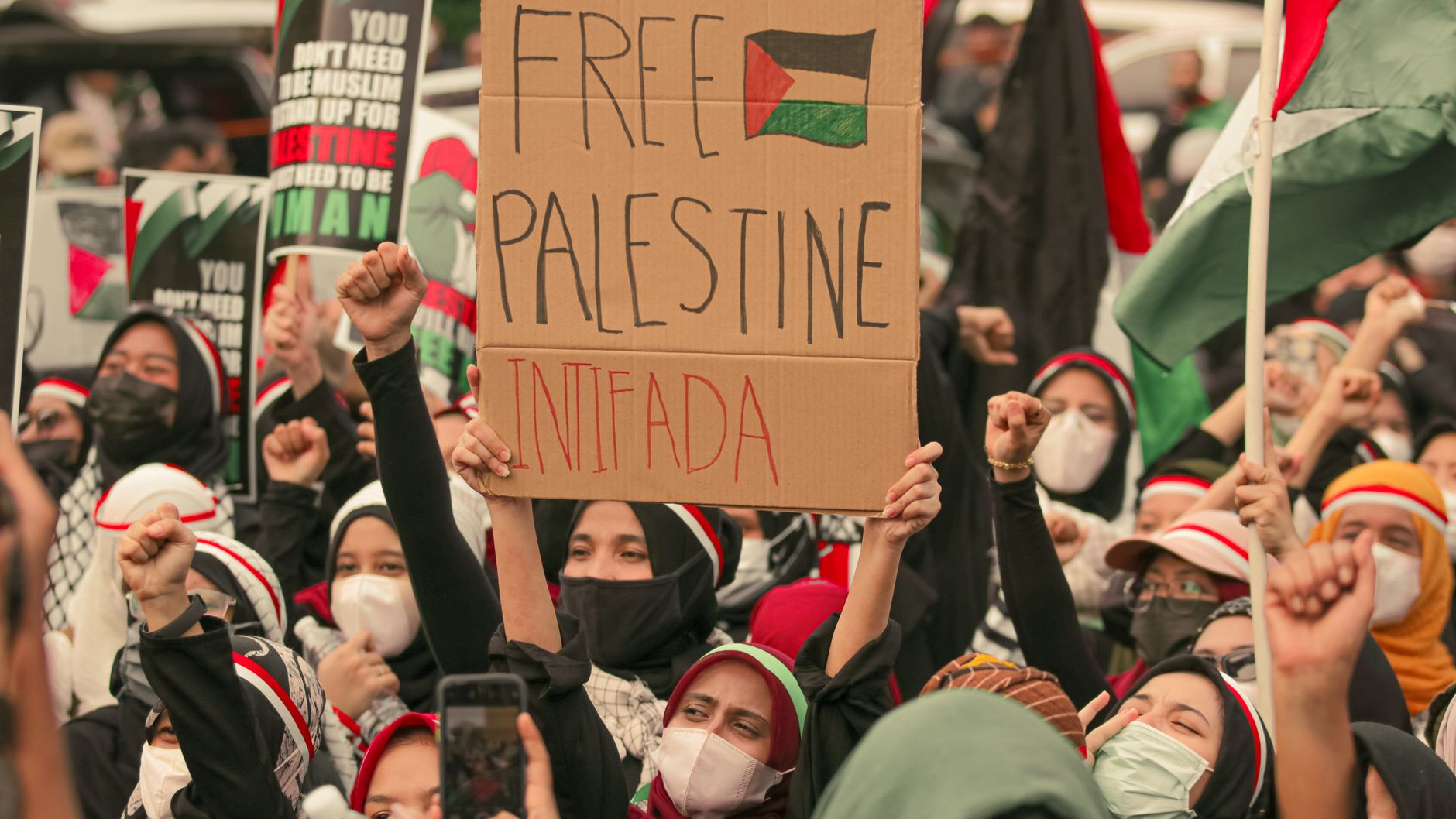
The palestine action group has been at the center of controversy in recent years, with the UK government banning the organization under anti-terrorism legislation. However, in a recent development, the UK’s highest court has given Palestine Action permission to appeal this ban, sparking a heated debate over the group’s activities and the government’s decision. The appeal is set to be reviewed in 2024, a move that could have significant implications for the group and its supporters.
The palestine action group has been accused of promoting extremism and violence, with the government citing these concerns as the reason for the ban. However, supporters of the group argue that it is a peaceful organization that is being unfairly targeted by the government. The ban has been widely criticized by human rights groups and activists, who argue that it is an attack on free speech and the right to protest.
Palestine Action and the Government’s Ban
The government’s decision to ban Palestine Action was made under the Terrorism Act 2000, which gives the government the power to proscribe organizations that are deemed to be a threat to national security. The government has argued that Palestine Action meets this criteria, citing the group’s alleged promotion of extremism and violence. However, the group’s supporters argue that this is a misrepresentation of the organization’s activities and goals.
One of the key issues at the heart of the debate over Palestine Action is the question of what constitutes extremism and violence. The government has argued that the group’s activities, including protests and demonstrations, are a form of extremism that poses a threat to national security. However, supporters of the group argue that these activities are a legitimate form of protest and are protected by the right to free speech.
The Implications of the Ban
The ban on Palestine Action has had significant implications for the group and its supporters. The group’s assets have been frozen, and its members have been subject to arrest and prosecution. The ban has also had a chilling effect on free speech, with many people feeling intimidated and silenced by the government’s actions.
The implications of the ban are not limited to the palestine action group itself. The ban has also had a broader impact on the wider community, with many people feeling that the government’s actions are an attack on their rights and freedoms. The ban has been widely criticized by human rights groups and activists, who argue that it is a form of censorship and a threat to democracy.
Questions to Watch
As the appeal against the ban on Palestine Action makes its way through the courts, there are several key questions to watch. One of the most important questions is what constitutes extremism and violence, and how this will be defined by the courts. Another key question is what the implications of the ban will be for the wider community, and how this will impact on free speech and the right to protest.
- What are the key arguments for and against the ban on Palestine Action?
- How will the courts define extremism and violence in the context of the appeal?
- What are the implications of the ban for the wider community, and how will this impact on free speech and the right to protest?
Conclusion
In conclusion, the palestine action group’s appeal against the government’s ban is a complex and contentious issue that raises important questions about free speech, extremism, and the right to protest. As the appeal makes its way through the courts, it is likely to have significant implications for the group, its supporters, and the wider community. The outcome of the appeal will be closely watched, and will have a major impact on the debate over palestine action and the government’s actions.
Source: bbc.co.uk.






Be First to Comment