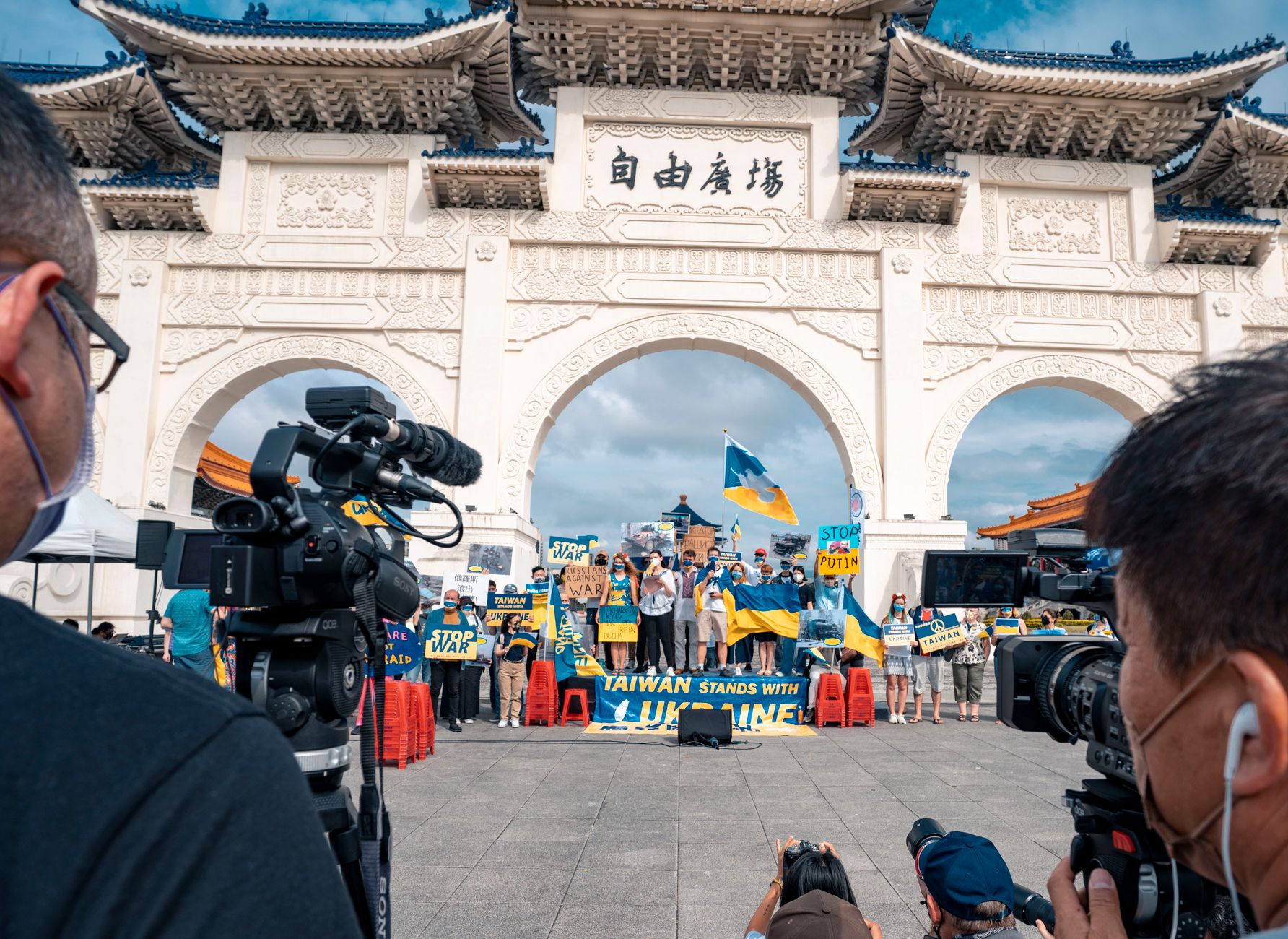
The social media protest has been gaining momentum in recent times, with many prominent figures joining in to voice their concerns. At the forefront of this movement is Lisa Nandy, the culture secretary, who has announced her decision to quit a popular social media platform in protest. This move is seen as a significant step in the fight against misinformation, which Nandy claims is not healthy for democracy.
The decision to leave the platform is not just a personal choice, but also a statement of intent. Nandy’s department is also following suit, marking a significant shift in the way government institutions interact with social media. This move is likely to have far-reaching implications, not just for the platform in question, but also for the broader social media landscape.
Social Media Protest: A Growing Concern
The social media protest is not just about one platform or one individual; it’s a symptom of a larger issue. The spread of misinformation has become a major concern, with many experts warning about the dangers of unchecked social media. The lack of regulation and oversight has created an environment where false information can spread quickly, often with devastating consequences.
As the social media protest gains momentum, it’s essential to understand the key players involved. These include government institutions, social media platforms, and individual users. Each of these stakeholders has a crucial role to play in shaping the future of social media and addressing the issue of misinformation.
- Government institutions: These have a critical role in regulating social media and ensuring that platforms are held accountable for the content they host.
- Social media platforms: These must take responsibility for the spread of misinformation and implement measures to prevent it.
- Individual users: These have the power to report suspicious content and promote fact-based information.
The Impact of Social Media Protest
The social media protest is likely to have significant implications for the way we interact with social media. As more individuals and institutions join the movement, it’s likely that we’ll see a shift towards more responsible social media practices. This could include increased regulation, improved fact-checking, and a greater emphasis on promoting high-quality content.
However, the social media protest also raises important questions about the role of social media in our lives. As we become increasingly reliant on these platforms for information and communication, it’s essential to consider the potential risks and consequences. This includes the spread of misinformation, the erosion of trust, and the impact on mental health.
Expert Analysis
Experts warn that the social media protest is just the beginning of a larger conversation about the role of social media in our lives. As we move forward, it’s essential to consider the implications of our actions and the potential consequences of inaction. This includes the need for greater regulation, improved education, and a greater emphasis on promoting critical thinking.
Conclusion
In conclusion, the social media protest is a significant development that highlights the need for greater responsibility and accountability in the social media landscape. As we move forward, it’s essential to consider the implications of our actions and the potential consequences of inaction. By working together, we can create a safer, more responsible social media environment that promotes fact-based information and supports healthy democracy.
Source: bbc.co.uk.




Be First to Comment