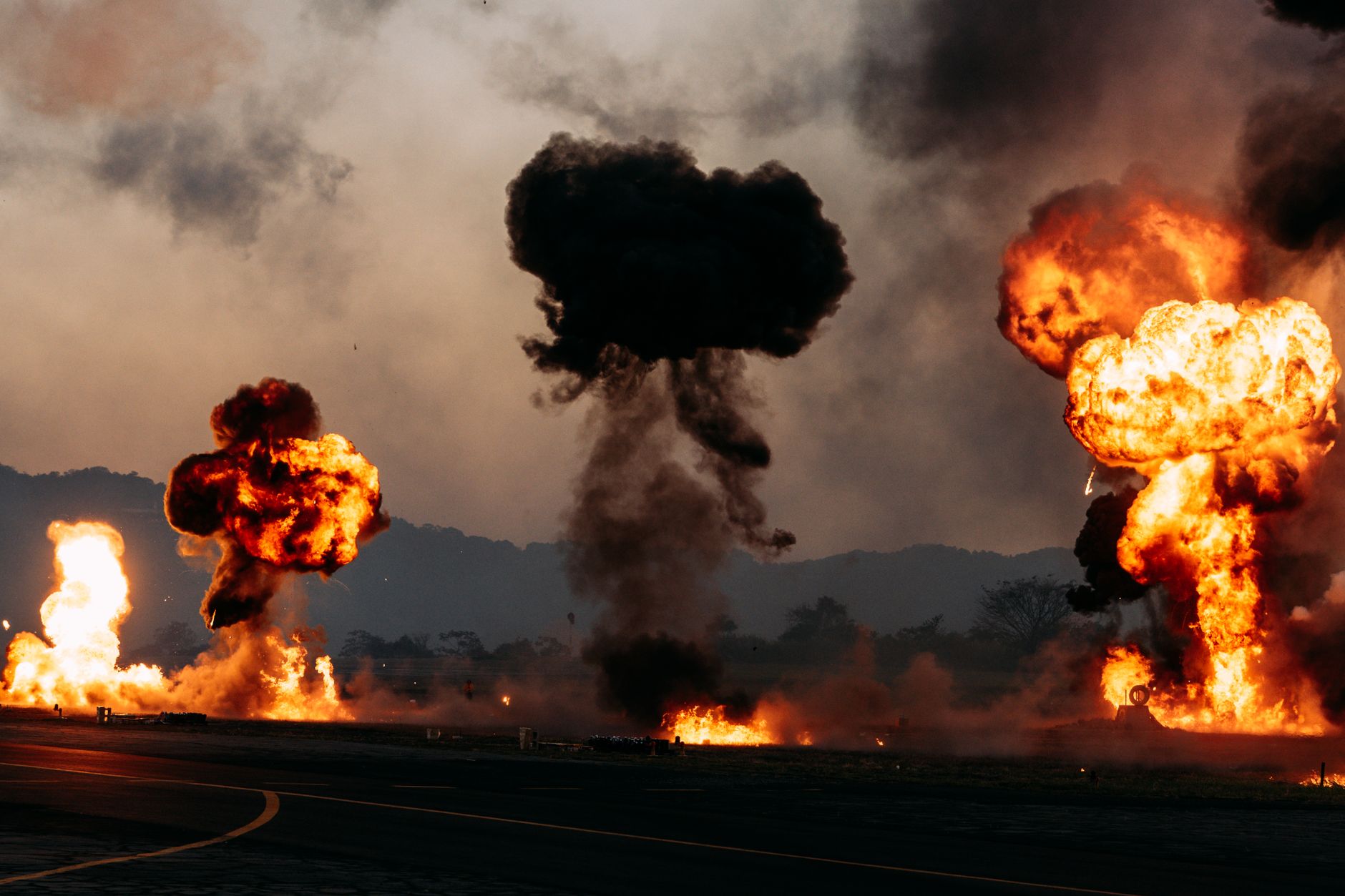
The war threat has become a pressing concern in recent years, with the boss of Europe’s biggest defence contractor, BAE, warning that the threat of attack has never been higher. Dr Charles Woodburn’s statement highlights the growing unease among defence experts and governments about the increasing risk of conflict. The war threat is a complex issue, involving multiple factors and stakeholders, and understanding its causes and implications is crucial for developing effective strategies to mitigate it.
The current geopolitical landscape is marked by rising tensions between major powers, including the US, China, and Russia. These tensions are driven by a range of factors, including competing interests, ideological differences, and historical grievances. The war threat is also fueled by the proliferation of advanced military technologies, such as hypersonic missiles and cyber warfare capabilities, which have increased the potential for devastating attacks.
Understanding the War Threat
To grasp the nature of the war threat, it is essential to consider the various dimensions of conflict, including conventional warfare, asymmetric warfare, and hybrid warfare. Conventional warfare involves traditional military operations, such as ground battles and air campaigns, while asymmetric warfare involves non-state actors, such as terrorist groups, using unconventional tactics to attack more powerful opponents. Hybrid warfare, on the other hand, combines conventional and asymmetric tactics to achieve strategic objectives.
The war threat is not limited to interstate conflict; it also encompasses non-state actors, such as terrorist groups and cyber hackers, which can launch attacks on critical infrastructure and civilian populations. The threat of cyber attacks, in particular, has become a major concern, as it can disrupt essential services, such as power grids and financial systems, and compromise sensitive information.
The Role of Defence Contractors
Defence contractors, such as BAE, play a critical role in developing and manufacturing military equipment and technologies. These companies are responsible for designing and producing advanced systems, such as fighter jets, submarines, and missile defence systems, which are essential for national defence. However, the war threat also raises questions about the ethics of defence contracting, particularly with regard to the sale of arms to authoritarian regimes and the potential for human rights abuses.
Implications of the War Threat
The war threat has significant implications for global security, economic stability, and human well-being. A major conflict could result in massive loss of life, displacement of populations, and destruction of infrastructure. It could also lead to a global economic downturn, as trade and investment are disrupted, and resources are diverted to military spending. Furthermore, the war threat can have a profound impact on mental health, as the constant fear of attack can create a sense of anxiety and uncertainty.
- Increased military spending
- Escalating tensions between major powers
- Proliferation of advanced military technologies
- Growing threat of cyber attacks
- Humanitarian crises and refugee flows
Conclusion
In conclusion, the war threat is a pressing concern that requires immediate attention and action. Understanding the causes and implications of the war threat is essential for developing effective strategies to mitigate it. This includes investing in diplomacy and dialogue, promoting international cooperation, and addressing the root causes of conflict, such as poverty, inequality, and political oppression. By working together, we can reduce the risk of war and create a more peaceful and stable world.
Source: bbc.co.uk.






Be First to Comment