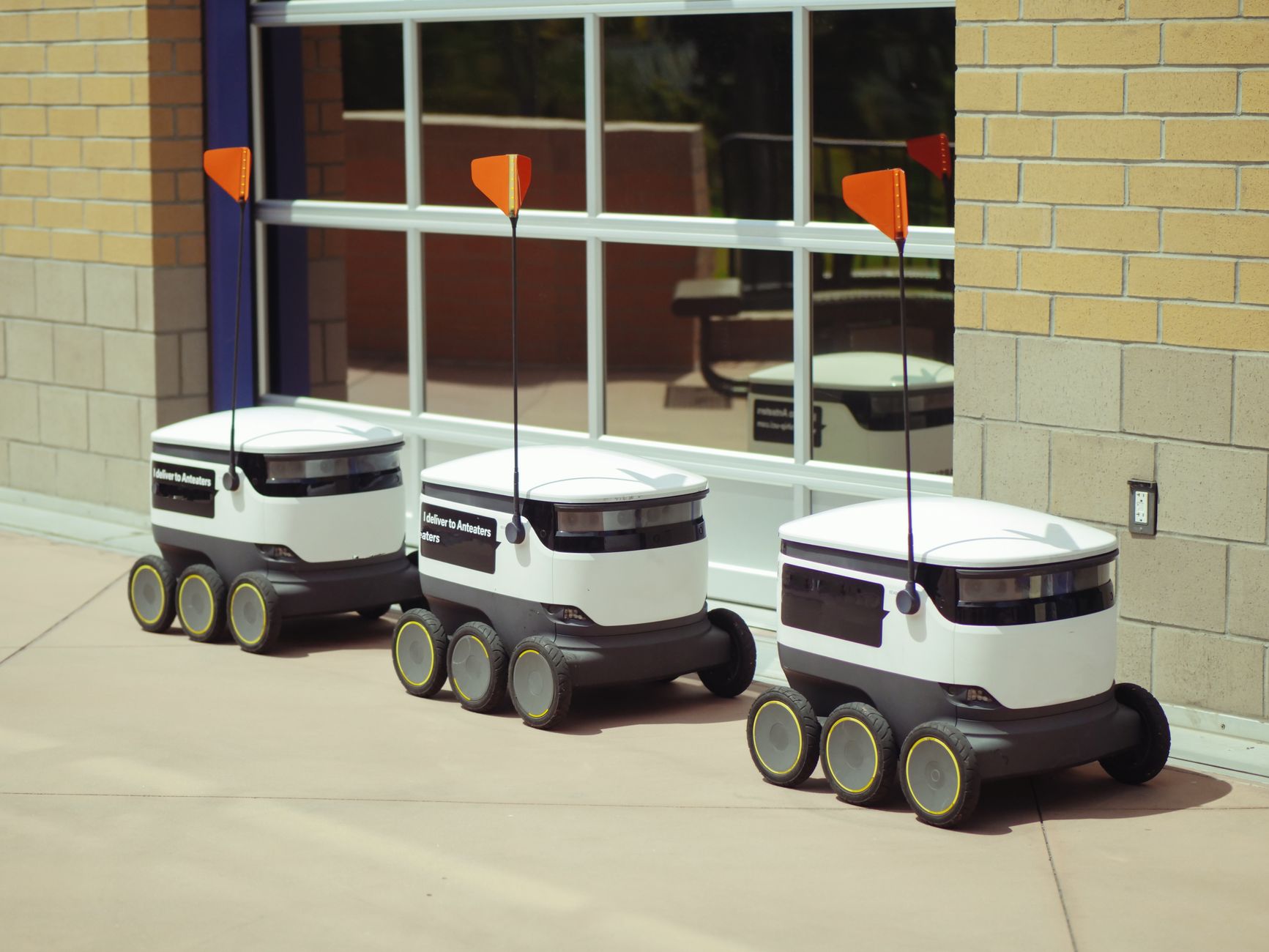
The advanced rover prototype, developed by NASA’s Jet Propulsion Laboratory, has successfully completed a field test in the Colorado Desert, traveling an impressive 16 miles over the course of 37 hours. This achievement marks a significant milestone in the development of autonomous rovers, which are set to play a crucial role in future lunar missions. The advanced rover, called ERNEST, was designed to test the limits of robotic autonomy and mobility in extreme terrain, simulating the conditions that a lunar rover would face on the Moon’s surface.
The ERNEST rover is equipped with advanced navigation and control systems, allowing it to traverse challenging terrain with ease. During the field test, the rover was trailed by engineers who monitored its performance and collected data on its navigation and mobility. The test was conducted in the Colorado Desert near Plaster City, California, which provided a suitable environment for simulating the lunar surface.
Advanced Rover Technology
The advanced rover prototype is part of a broader effort by NASA to develop more capable and autonomous rovers for future planetary missions. The ERNEST rover is designed to operate in extreme environments, such as the lunar poles, where the terrain is rugged and the lighting conditions are challenging. The rover’s advanced navigation system allows it to navigate through large terrain shadows, which are common in polar regions.
The ERNEST rover’s autonomy software is being developed to enable the rover to make decisions in real-time, without the need for human intervention. This capability is critical for future lunar missions, where communication delays between the Earth and the Moon can be significant. The rover’s ability to operate autonomously will enable it to conduct scientific experiments and gather data more efficiently, even in areas with limited communication with Earth.
Implications for Future Missions
The success of the ERNEST rover prototype has significant implications for future lunar missions. The development of advanced rovers with enhanced autonomy and mobility will enable scientists to conduct more complex and ambitious experiments on the lunar surface. The ability to navigate through challenging terrain and operate in extreme environments will also enable rovers to access areas of the Moon that were previously inaccessible.
- Enhanced autonomy and mobility
- Ability to operate in extreme environments
- Improved navigation and control systems
- Increased efficiency in conducting scientific experiments
- Ability to access previously inaccessible areas of the Moon
The ERNEST rover prototype is an important step towards the development of more capable and autonomous rovers for future planetary missions. The success of this prototype demonstrates the potential for advanced rovers to play a critical role in the exploration of the Moon and beyond.
Future Developments
As the development of the ERNEST rover prototype continues, NASA plans to conduct further field tests to refine the rover’s autonomy and mobility capabilities. The agency is also exploring the potential for advanced rovers to be used in other planetary missions, such as those to Mars and beyond. The development of advanced rovers is a critical component of NASA’s plans for future space exploration, and the success of the ERNEST rover prototype is an important milestone in this effort.
Conclusion
In conclusion, the advanced rover prototype has broken new ground with its 16-mile journey in 37 hours, demonstrating the potential for autonomous rovers to play a critical role in future lunar missions. The development of advanced rovers with enhanced autonomy and mobility will enable scientists to conduct more complex and ambitious experiments on the lunar surface, and will pave the way for further exploration of the Moon and beyond.
Source: science.nasa.gov.






Be First to Comment