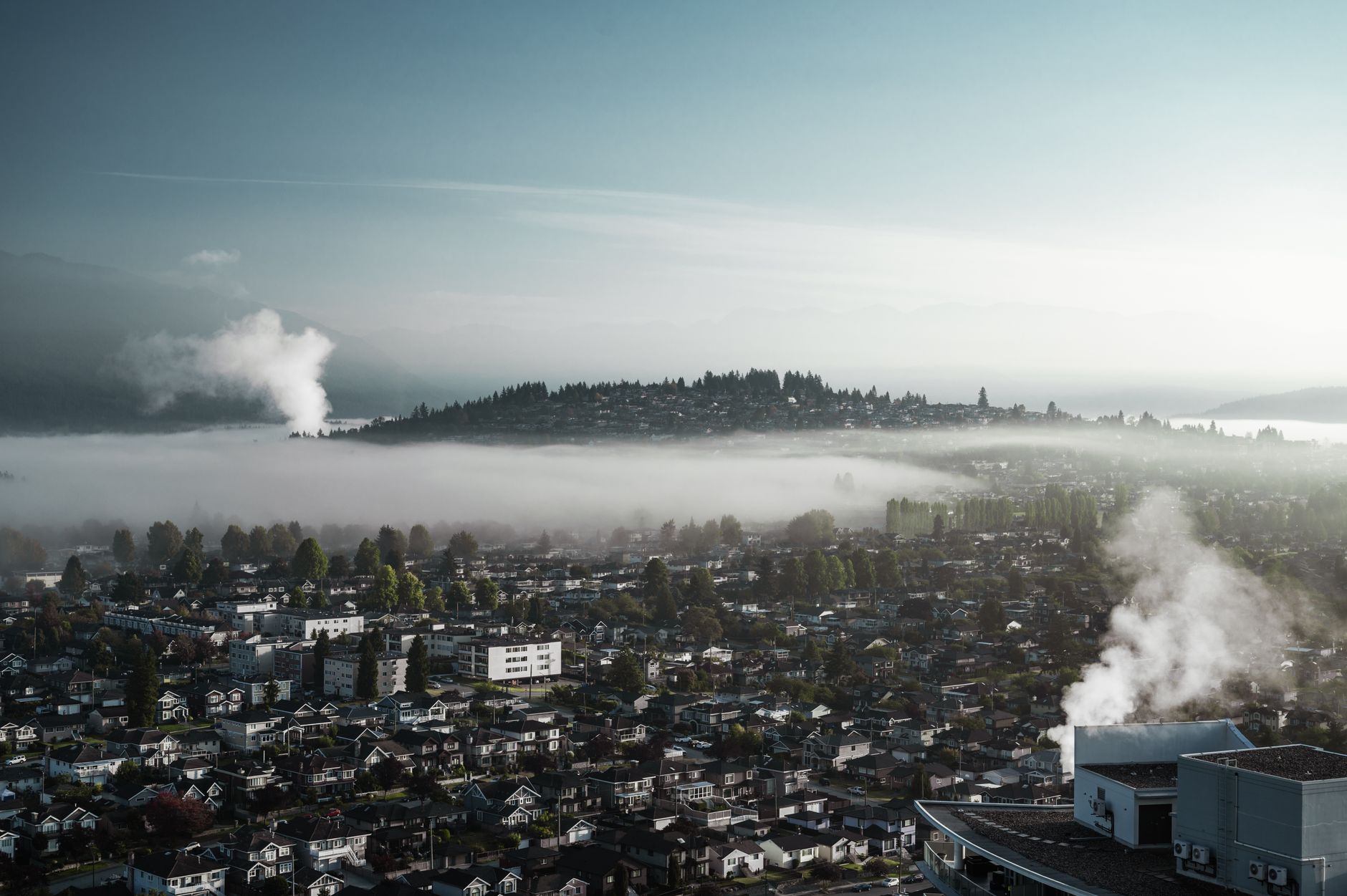
NASA’s TEMPO mission is helping educators and teens get hands-on with air quality data to investigate local pollution issues. The Cosmic Storytelling with NASA Data (CosmicDS) project, led by Harvard University, aims to bring authentic NASA data into the hands of learners. Recently, the CosmicDS team partnered with the Smithsonian Institution’s BEST AQI project to host a Leadership Institute, where 13 educators learned how to use TEMPO-Lab, a free online tool, to explore and analyze near-real-time air quality measurements.
The TEMPO mission measures pollution across North America hourly during daylight hours, providing valuable insights into air quality issues. By using TEMPO-Lab, educators and teens can build case studies covering real-world air quality scenarios, such as wildfire smoke and emissions from rush-hour traffic, power plants, and agriculture. This hands-on approach enables learners to develop a strong foundation for investigating air quality in their own communities and deciding what actions to take.
Investigating Air Quality with TEMPO-Lab
TEMPO-Lab is a flexible tool that allows learners to explore and analyze air quality data in a variety of ways. During the Leadership Institute, educators used TEMPO-Lab to build case studies and explore cutting-edge ozone data. The tool’s ability to integrate new data products, such as the recently released beta-version ground-level ozone data, makes it an invaluable resource for educators and learners.
The CosmicDS team will continue to support these efforts in the year ahead, with plans to share the BEST AQI toolkit and TEMPO-Lab with approximately 100 additional educators across their partner sites in South Dakota, Maryland, and New York. This could potentially extend the work to thousands of teen air quality researchers, empowering them to investigate and address air quality issues in their own communities.
The Importance of Air Quality Education
Air quality is a critical issue that affects not only the environment but also human health. By educating teens about air quality and providing them with the tools to investigate and address local pollution issues, programs like BEST AQI and CosmicDS are helping to build a more informed and engaged citizenry. The skills and knowledge gained through these programs can be applied to a wide range of careers and fields, from science and technology to policy and advocacy.
- Developing data literacy skills through hands-on experience with air quality data
- Building a strong foundation for investigating air quality issues in local communities
- Empowering teens to take action and make informed decisions about air quality issues
The partnership between CosmicDS and BEST AQI is a prime example of how NASA’s air quality data can be used to drive education and community engagement. By providing educators and learners with access to authentic NASA data and tools like TEMPO-Lab, these programs are helping to inspire the next generation of scientists, policymakers, and community leaders.
Conclusion and Future Directions
In conclusion, the CosmicDS project and BEST AQI initiative are making significant strides in air quality education and community engagement. As these programs continue to grow and expand, they have the potential to make a lasting impact on the way we approach air quality issues. With the help of NASA’s TEMPO mission and tools like TEMPO-Lab, we can empower teens and educators to investigate and address local pollution issues, ultimately contributing to a cleaner, healthier environment for all.
Source: science.nasa.gov.




Be First to Comment