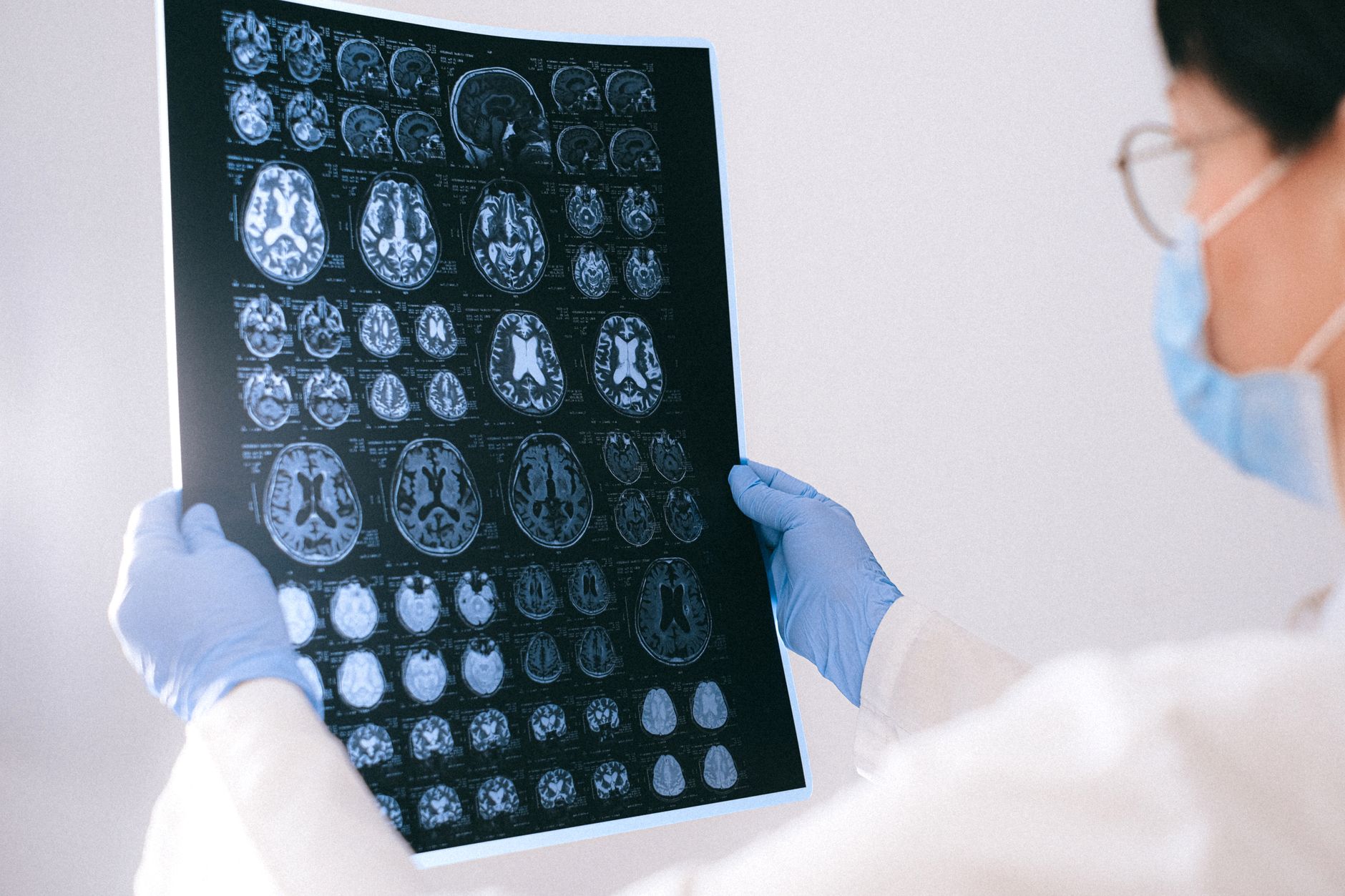
Alzheimer’s treatments have long been a topic of interest in the medical community, with researchers constantly seeking new and innovative ways to combat the disease. Recently, a groundbreaking study has shed new light on the potential of lab-grown mini brains to predict which alzheimer’s treatments will work. The focus of this research has been on creating miniature brain models from patients’ cells, which has revealed striking differences in how alzheimer’s-related tissue responds to various treatments.
The use of organoids, or lab-grown mini organs, has been a significant area of research in recent years. These tiny models of the brain have the potential to revolutionize the way we approach alzheimer’s treatments, by allowing scientists to test the effectiveness of different treatments in a more personalized and targeted way.
Understanding Alzheimer’s Disease
Alzheimer’s disease is a complex and multifaceted condition, characterized by the progressive loss of memory and cognitive function. It is the most common form of dementia, affecting millions of people worldwide. Despite its prevalence, the causes of alzheimer’s disease are still not fully understood, and there is currently no cure. However, researchers are making progress in understanding the underlying mechanisms of the disease, and developing new treatments to combat it.
One of the key challenges in developing effective alzheimer’s treatments is the lack of personalized approaches. Currently, treatments are often developed based on the average response of a large group of patients, rather than being tailored to the individual needs of each patient. This can lead to a lack of efficacy, as well as unwanted side effects.
Lab-Grown Mini Brains: A New Approach
The use of lab-grown mini brains offers a new approach to developing personalized alzheimer’s treatments. By creating miniature brain models from patients’ cells, scientists can test the effectiveness of different treatments in a more targeted and personalized way. This can help to identify which treatments are most likely to be effective for each individual patient, and reduce the risk of unwanted side effects.
- Personalized medicine: Lab-grown mini brains can be used to develop personalized treatments tailored to the individual needs of each patient.
- Increased efficacy: By testing treatments in a more targeted and personalized way, scientists can increase the efficacy of alzheimer’s treatments.
- Reduced side effects: The use of lab-grown mini brains can help to reduce the risk of unwanted side effects, by identifying which treatments are most likely to be effective for each individual patient.
The potential of lab-grown mini brains to predict which alzheimer’s treatments will work is significant. By providing a more personalized and targeted approach to treatment, these tiny models of the brain could help to improve the lives of millions of people affected by the disease.
Implications and Future Directions
The implications of this research are far-reaching, and have the potential to revolutionize the way we approach alzheimer’s treatments. As scientists continue to develop and refine this technology, we can expect to see significant advances in the field of personalized medicine. With the use of lab-grown mini brains, we may soon be able to develop treatments that are tailored to the individual needs of each patient, rather than relying on a one-size-fits-all approach.
As we look to the future, it is clear that the use of lab-grown mini brains will play an increasingly important role in the development of alzheimer’s treatments. With its potential to improve the lives of millions of people affected by the disease, this technology is certainly one to watch.
Conclusion
In conclusion, the use of lab-grown mini brains to predict which alzheimer’s treatments will work is a significant breakthrough in the field of personalized medicine. With its potential to improve the lives of millions of people affected by the disease, this technology is certainly one to watch. As scientists continue to develop and refine this technology, we can expect to see significant advances in the field of alzheimer’s treatments, and a brighter future for those affected by the disease.
Source: sciencedaily.com.






Be First to Comment