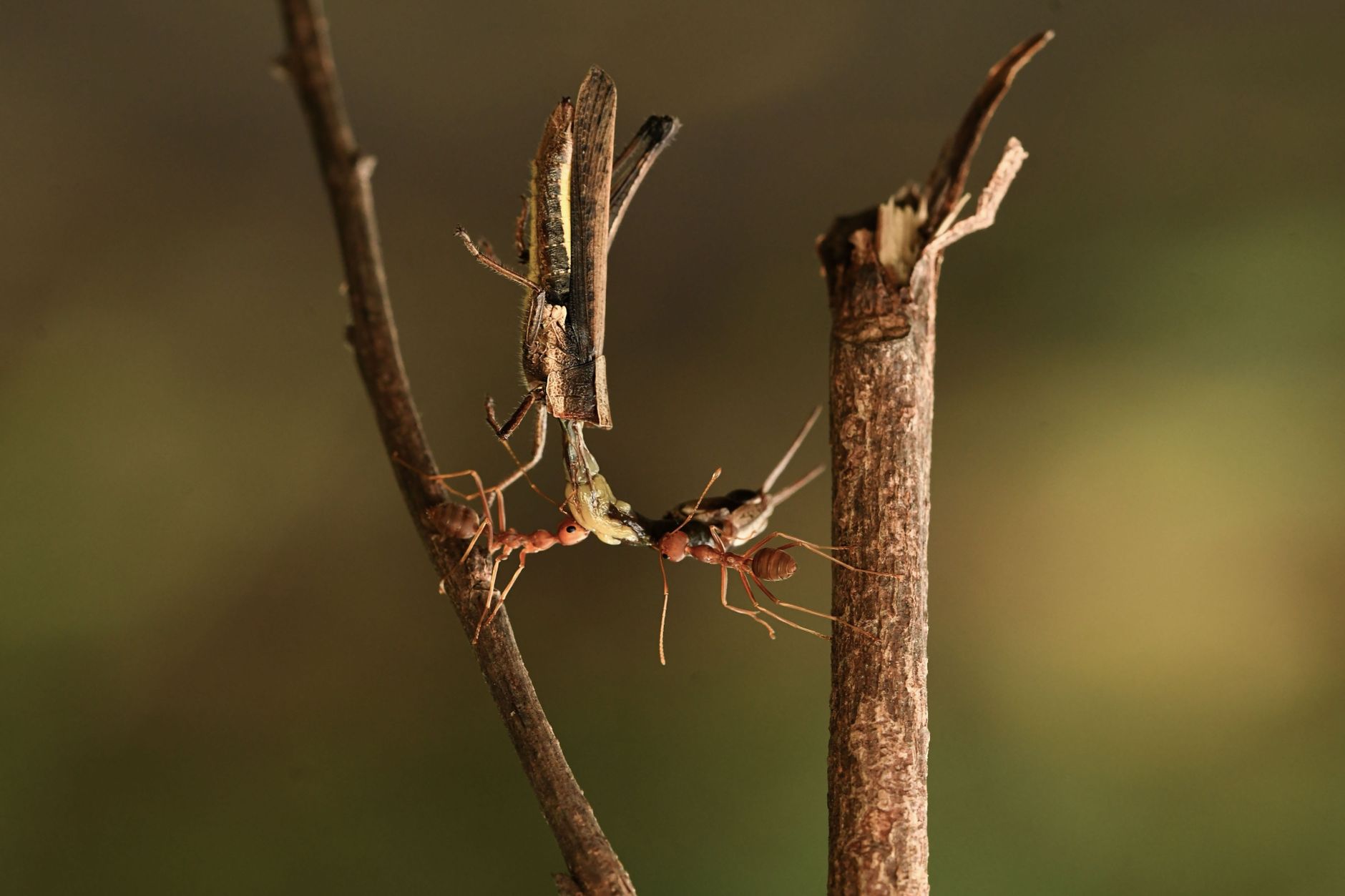
Ant parenting may seem like a simple concept, but it reveals a complex and fascinating world of evolutionary secrets. The same brain systems that once controlled hunger in ants have been found to be responsible for their parenting behaviors. Researchers have discovered that two chemical signals, known as pheromones, play a crucial role in determining whether clonal raider ants will care for their larvae or leave to forage for food.
As ants grow older, the balance between these two chemical signals changes, leading to a shift in their behavior from caring for young to foraging. This discovery has significant implications for our understanding of evolutionary biology and the development of caregiving behaviors in animals.
Ant Parenting and Evolutionary Biology
The study of ant parenting has revealed that the same brain systems responsible for hunger and foraging are also involved in caregiving behaviors. This suggests that evolution may have co-opted existing brain systems to develop new behaviors, such as parenting. This process, known as exaptation, is a key mechanism of evolutionary innovation.
The discovery of pheromones in ants has also shed light on the complex social behaviors of these insects. Pheromones are chemical signals that allow ants to communicate with each other and coordinate their behavior. In the case of ant parenting, pheromones play a crucial role in determining whether ants will care for their young or leave to forage.
The Role of Pheromones in Ant Parenting
Pheromones are a key component of ant communication and are used to convey a wide range of information, from food sources to danger. In the context of ant parenting, pheromones are used to signal the presence of larvae and to coordinate caregiving behaviors. The two pheromones identified in the study, known as pheromone A and pheromone B, work together to regulate ant behavior.
When pheromone A is present, ants are more likely to care for their larvae, while pheromone B promotes foraging behavior. As ants grow older, the balance between these two pheromones shifts, leading to a change in behavior. This complex system allows ants to adapt to changing circumstances and to prioritize their behavior accordingly.
Implications for Our Understanding of Caregiving Behaviors
The discovery of the role of pheromones in ant parenting has significant implications for our understanding of caregiving behaviors in animals. The fact that the same brain systems are involved in both hunger and caregiving suggests that evolution may have followed a similar blueprint across different species.
This raises interesting questions about the evolution of caregiving behaviors in mammals, including humans. Do we share similar brain systems with ants, and if so, what can we learn from their behavior? The study of ant parenting has opened up new avenues of research into the evolutionary biology of caregiving and has the potential to reveal new insights into human behavior.
Questions to Watch
- What are the key brain systems involved in ant parenting, and how do they compare to those in mammals?
- How do pheromones regulate ant behavior, and what can we learn from their use in ant parenting?
- What are the implications of this research for our understanding of evolutionary biology and the development of caregiving behaviors?
The study of ant parenting has revealed a complex and fascinating world of evolutionary secrets. As we continue to explore the intricacies of ant behavior, we may uncover new insights into the biology of caregiving and the evolution of complex social behaviors.
Conclusion
In conclusion, the discovery of the role of pheromones in ant parenting has significant implications for our understanding of evolutionary biology and the development of caregiving behaviors. As we continue to explore the fascinating world of ant behavior, we may uncover new insights into the biology of caregiving and the evolution of complex social behaviors.
Source: sciencedaily.com.





Be First to Comment