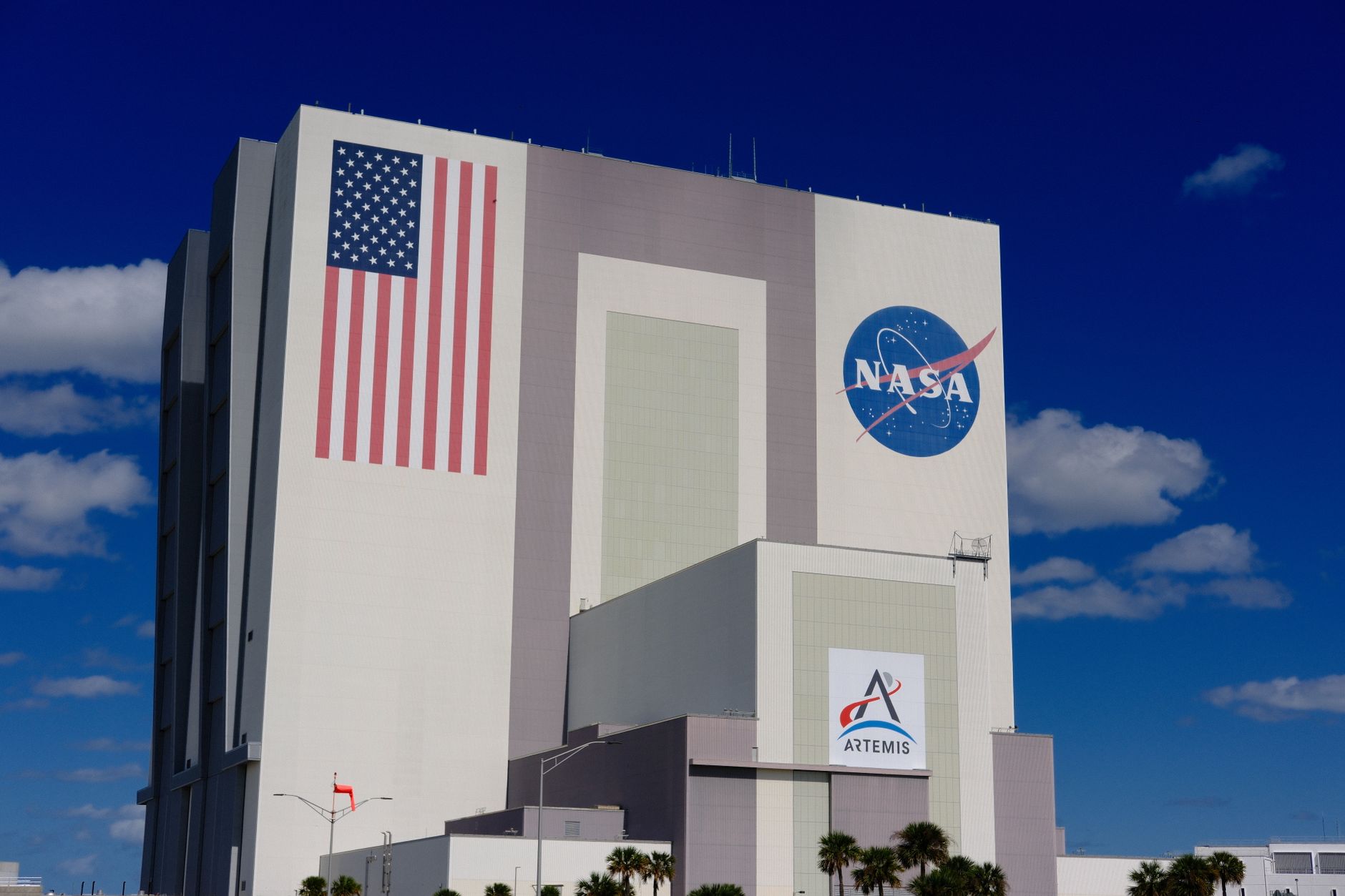
The Artemis Accords, a historic agreement for peaceful space exploration, has welcomed its 69th signatory nation, Serbia. This milestone marks a significant step forward in the global effort to establish a unified framework for space travel and exploration. The Artemis Accords, established in 2020, aims to promote cooperation, transparency, and responsibility among nations as they venture into space.
The signing ceremony, held at NASA Headquarters in Washington, was attended by Serbian Minister of Foreign Affairs Marko Đurić, NASA Deputy Administrator Matt Anderson, and other dignitaries. Đurić emphasized the importance of international cooperation in space exploration, citing the contributions of Serbian engineers to the Apollo program.
Background and History of the Artemis Accords
The Artemis Accords were established in response to the growing interest in lunar activities by both governments and private companies. The agreement introduces a set of practical principles aimed at enhancing safety and coordination between nations as they explore the Moon, Mars, and beyond. The Accords commit nations to explore peaceably and transparently, render aid to those in need, enable access to scientific data, ensure activities do not interfere with those of others, and preserve historically significant sites and artifacts.
The Artemis Accords have been signed by 69 nations, including the United States, Canada, Japan, and the European Space Agency. The agreement is open to all nations that are committed to peaceful and responsible space exploration.
Key Principles of the Artemis Accords
- Explore peaceably and transparently
- Render aid to those in need
- Enable access to scientific data
- Ensure activities do not interfere with those of others
- Preserve historically significant sites and artifacts
The Artemis Accords have significant implications for the future of space exploration. By promoting cooperation and transparency, the agreement can help to reduce the risks associated with space travel and promote a more sustainable and responsible approach to space exploration.
Implications and Questions to Watch
The signing of the Artemis Accords by Serbia marks an important milestone in the global effort to establish a unified framework for space travel and exploration. As more nations join the agreement, it is likely to have a significant impact on the future of space exploration. Some questions to watch include: How will the Artemis Accords shape the future of space travel and exploration? What are the implications of the agreement for private companies and governments involved in space activities? How will the agreement promote cooperation and transparency among nations?
Conclusion
The Artemis Accords is a significant step forward in the global effort to establish a unified framework for space travel and exploration. By promoting cooperation, transparency, and responsibility among nations, the agreement can help to reduce the risks associated with space travel and promote a more sustainable and responsible approach to space exploration. As more nations join the agreement, it is likely to have a significant impact on the future of space exploration.
Source: nasa.gov.






Be First to Comment