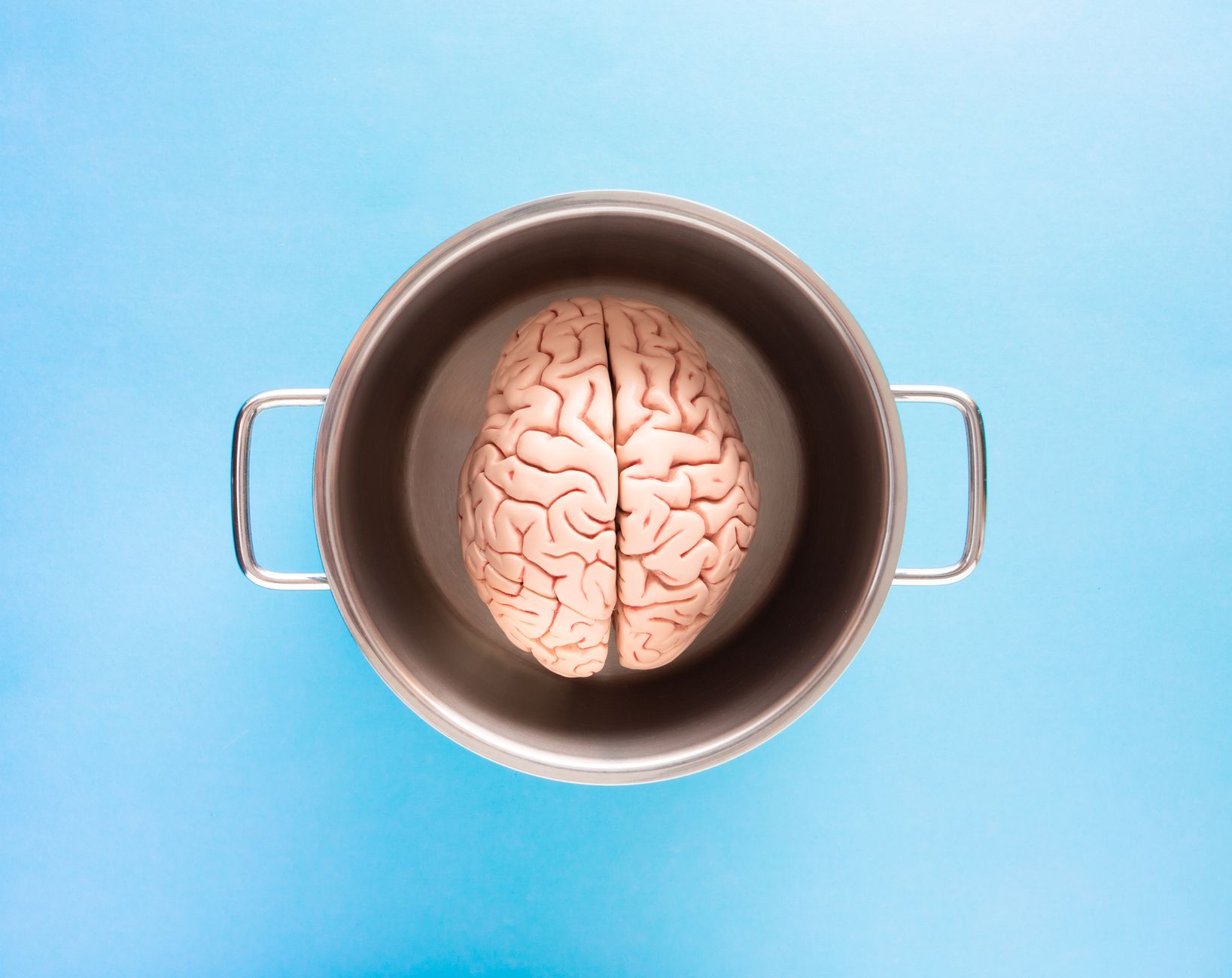
The brain craving center is a complex region that has been studied extensively in recent years. Researchers have made significant progress in understanding its role in addiction and obesity. The brain craving center, also known as the lateral septum, is a small region in the brain that is packed with GLP-1 receptors. These receptors play a crucial role in regulating hunger and cravings.
Scientists have found that the brain craving center is not just responsible for hunger, but also for cravings for other addictive substances, such as alcohol. This discovery has significant implications for the treatment of addiction and obesity. By targeting the brain craving center, researchers may be able to develop new and more effective treatments for these conditions.
Understanding the Brain Craving Center
The brain craving center is a small region in the brain that is located in the lateral septum. It is packed with GLP-1 receptors, which play a crucial role in regulating hunger and cravings. The brain craving center is also connected to other regions of the brain, such as the hippocampus and the amygdala, which are involved in memory and emotion.
Researchers have found that the brain craving center is activated when we think about food or other rewarding experiences. This activation can lead to cravings and ultimately, to addictive behavior. By understanding how the brain craving center works, researchers may be able to develop new treatments that target this region specifically.
The Role of GLP-1 Receptors
GLP-1 receptors are a type of receptor that is found in the brain craving center. They play a crucial role in regulating hunger and cravings. When GLP-1 receptors are activated, they can help to reduce hunger and cravings for other addictive substances.
Researchers have found that GLP-1 receptors are also involved in the regulation of memory and emotion. They can help to reduce stress and anxiety, which are common triggers for addictive behavior. By targeting GLP-1 receptors, researchers may be able to develop new treatments that can help to reduce cravings and improve overall health.
Treatments for Addiction and Obesity
There are several treatments available for addiction and obesity, but many of them have significant limitations. Current treatments often focus on reducing hunger and cravings, but they may not address the underlying causes of these conditions.
By targeting the brain craving center, researchers may be able to develop new and more effective treatments for addiction and obesity. These treatments could include medications that target GLP-1 receptors, as well as behavioral therapies that help to reduce cravings and improve overall health.
- Medications that target GLP-1 receptors
- Behavioral therapies that help to reduce cravings
- Lifestyle changes that promote overall health and well-being
Conclusion and Future Directions
The brain craving center is a complex region that plays a crucial role in addiction and obesity. By understanding how this region works, researchers may be able to develop new and more effective treatments for these conditions. Further research is needed to fully understand the brain craving center and its role in addiction and obesity, but the discoveries that have been made so far are promising and could lead to significant breakthroughs in the future.
Source: sciencedaily.com.






Be First to Comment