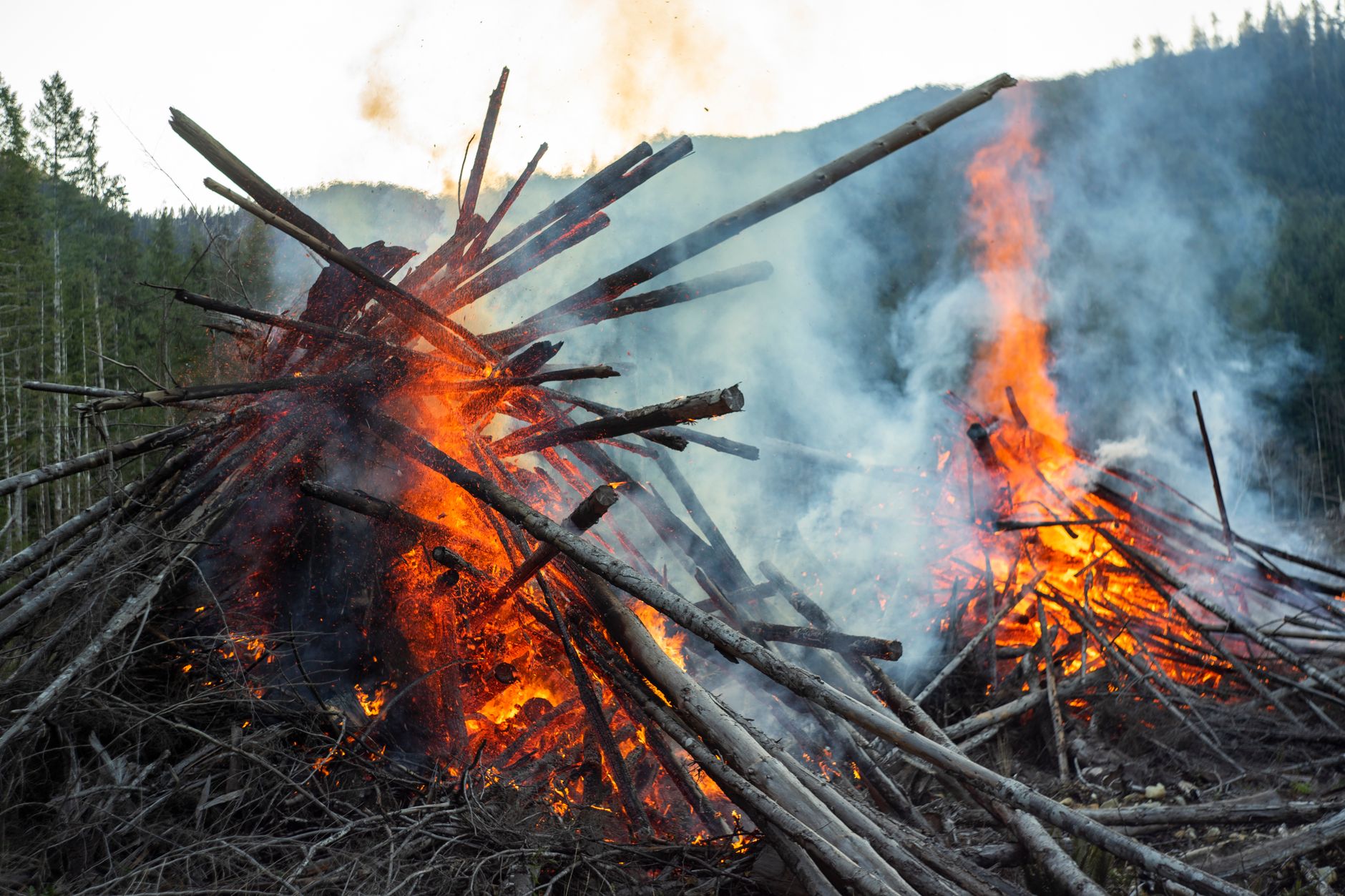
The british columbia wildfire has been raging out of control, leaving a trail of destruction in its wake. As of Monday, officials were still trying to determine the extent of the damage, including the number of homes lost to the fire. The speed and ferocity of the wildfire have caught many off guard, with some residents describing the scene as apocalyptic.
The cause of the fire is still unknown, but it is believed to have started in a remote area of the province. Strong winds and dry conditions have contributed to the fire’s rapid spread, making it difficult for firefighters to contain. The fire has already burned thousands of acres of land, and the full extent of the damage is still being assessed.
Background and Context
British Columbia has experienced its fair share of wildfires in recent years, but this latest outbreak is particularly concerning. The province has been experiencing a prolonged period of hot and dry weather, creating the perfect conditions for wildfires to spread. The fire has also highlighted the need for improved emergency preparedness and response measures, particularly in rural areas where access to resources and services may be limited.
The impact of the wildfire on local communities has been significant, with many residents forced to evacuate their homes and seek shelter elsewhere. The fire has also had a devastating impact on the local economy, with businesses and industries affected by the blaze.
Implications and Concerns
The british columbia wildfire has raised concerns about the impact of climate change on the environment and the need for more effective measures to prevent and respond to wildfires. The fire has also highlighted the importance of investing in emergency preparedness and response measures, including firefighting resources and equipment.
Some of the key concerns and implications of the wildfire include:
- Environmental impact: The fire has released large amounts of carbon dioxide and other pollutants into the atmosphere, contributing to climate change.
- Economic impact: The fire has had a significant impact on the local economy, with businesses and industries affected by the blaze.
- Health impact: The fire has also had a significant impact on the health and wellbeing of local residents, with many experiencing respiratory problems and other health issues.
The british columbia wildfire is a stark reminder of the importance of taking action to prevent and respond to wildfires. This includes investing in emergency preparedness and response measures, as well as taking steps to reduce the risk of wildfires, such as implementing effective forest management practices and reducing human activity in high-risk areas.
Expert Analysis and Insights
Experts have warned that the british columbia wildfire is a symptom of a larger problem, namely the increasing risk of wildfires due to climate change. The fire has highlighted the need for more effective measures to prevent and respond to wildfires, including investing in firefighting resources and equipment.
According to experts, some of the key steps that can be taken to reduce the risk of wildfires include:
Implementing effective forest management practices, such as thinning and prescribed burning, to reduce the amount of fuel available for wildfires.
Reducing human activity in high-risk areas, such as camping and smoking, to reduce the risk of accidental ignition.
Investing in emergency preparedness and response measures, including firefighting resources and equipment.
Conclusion and Next Steps
The british columbia wildfire is a devastating reminder of the importance of taking action to prevent and respond to wildfires. As the situation continues to unfold, it is essential that officials and residents take a proactive approach to addressing the causes and consequences of the fire. This includes investing in emergency preparedness and response measures, as well as taking steps to reduce the risk of wildfires, such as implementing effective forest management practices and reducing human activity in high-risk areas.
Source: bbc.co.uk.






Be First to Comment