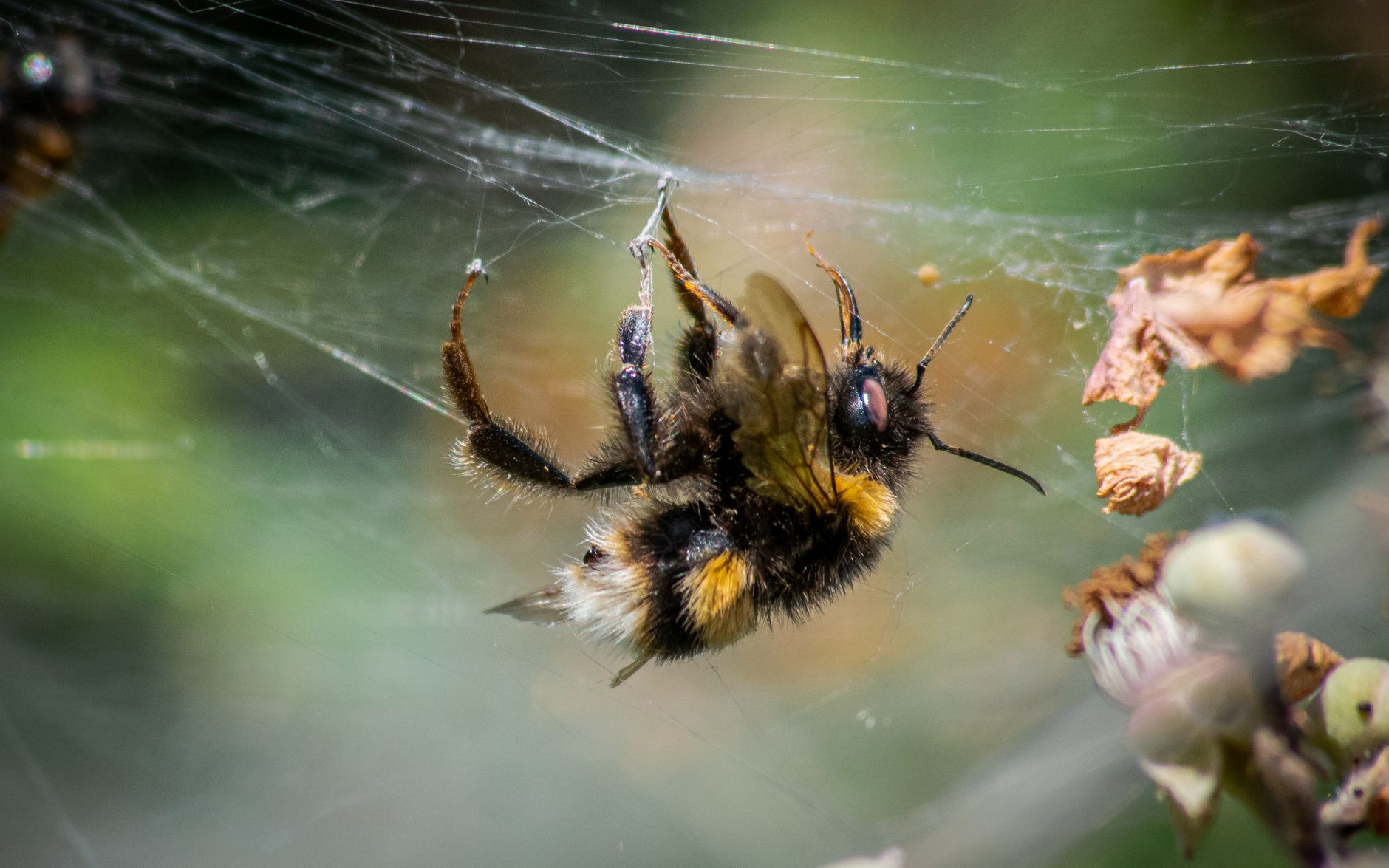
The use of pesticides in agriculture has long been a topic of concern, particularly when it comes to the impact on pollinators like bumblebees. Bumblebee pesticide exposure has been shown to have negative effects on these important insects. Recent research has highlighted the potential dangers of a commonly used pesticide, sulfoxaflor, which has been found to interfere with the reproductive health of bumblebees.
Sulfoxaflor is a next-generation pesticide designed to kill crop pests, but it has been found to have unintended consequences on bumblebees. Even at low doses, exposure to this pesticide has been shown to change gene activity, particularly in tissues involved in reproduction. This raises concerns about the long-term impacts on bee populations and the potential consequences for food production.
Bumblebee Pesticide: A Growing Concern
Pollinators like bumblebees are essential for about one-third of the world’s food production. Without these important insects, many crops would be unable to reproduce, resulting in significant losses for farmers and the food industry as a whole. The use of pesticides like sulfoxaflor has been shown to be a major contributor to the decline of bumblebee populations, making it a growing concern for environmentalists and farmers alike.
The impact of bumblebee pesticide exposure is not limited to the bees themselves. The decline of pollinator populations has far-reaching consequences for the entire ecosystem. Without pollinators, many plants would be unable to reproduce, resulting in a loss of biodiversity and potentially even extinctions. This highlights the need for sustainable agricultural practices that prioritize the health of pollinators and the environment.
The Importance of Pollinators
Pollinators like bumblebees play a crucial role in maintaining the health of ecosystems. They are responsible for pollinating many crops, including fruits, vegetables, and nuts. Without pollinators, these crops would be unable to reproduce, resulting in significant losses for farmers and the food industry. The importance of pollinators cannot be overstated, and it is essential that we take steps to protect them.
- Pollinators are responsible for pollinating over 75% of the world’s crop species
- Without pollinators, many crops would be unable to reproduce, resulting in significant losses for farmers and the food industry
- The decline of pollinator populations has far-reaching consequences for the entire ecosystem
The use of pesticides like sulfoxaflor is just one of the many challenges facing pollinators. Habitat loss, climate change, and disease are all major contributors to the decline of pollinator populations. To address these challenges, it is essential that we take a multi-faceted approach that prioritizes the health of pollinators and the environment.
Addressing the Challenges Facing Pollinators
To protect pollinators, it is essential that we adopt sustainable agricultural practices that prioritize their health. This can include the use of integrated pest management techniques, which minimize the use of pesticides and instead focus on natural methods of controlling pests. Additionally, farmers can plant pollinator-friendly crops, which provide a source of food and shelter for pollinators.
Government policies can also play a crucial role in protecting pollinators. Regulations can be put in place to limit the use of pesticides and promote sustainable agricultural practices. Additionally, initiatives can be launched to educate farmers and the general public about the importance of pollinators and the steps that can be taken to protect them.
Conclusion: The Future of Pollinators
The future of pollinators is uncertain, but it is clear that action must be taken to protect them. The use of pesticides like sulfoxaflor is just one of the many challenges facing pollinators, and it is essential that we address these challenges through sustainable agricultural practices and government policies. By working together, we can protect pollinators and ensure the long-term health of our ecosystems.
Source: sciencedaily.com.





Be First to Comment