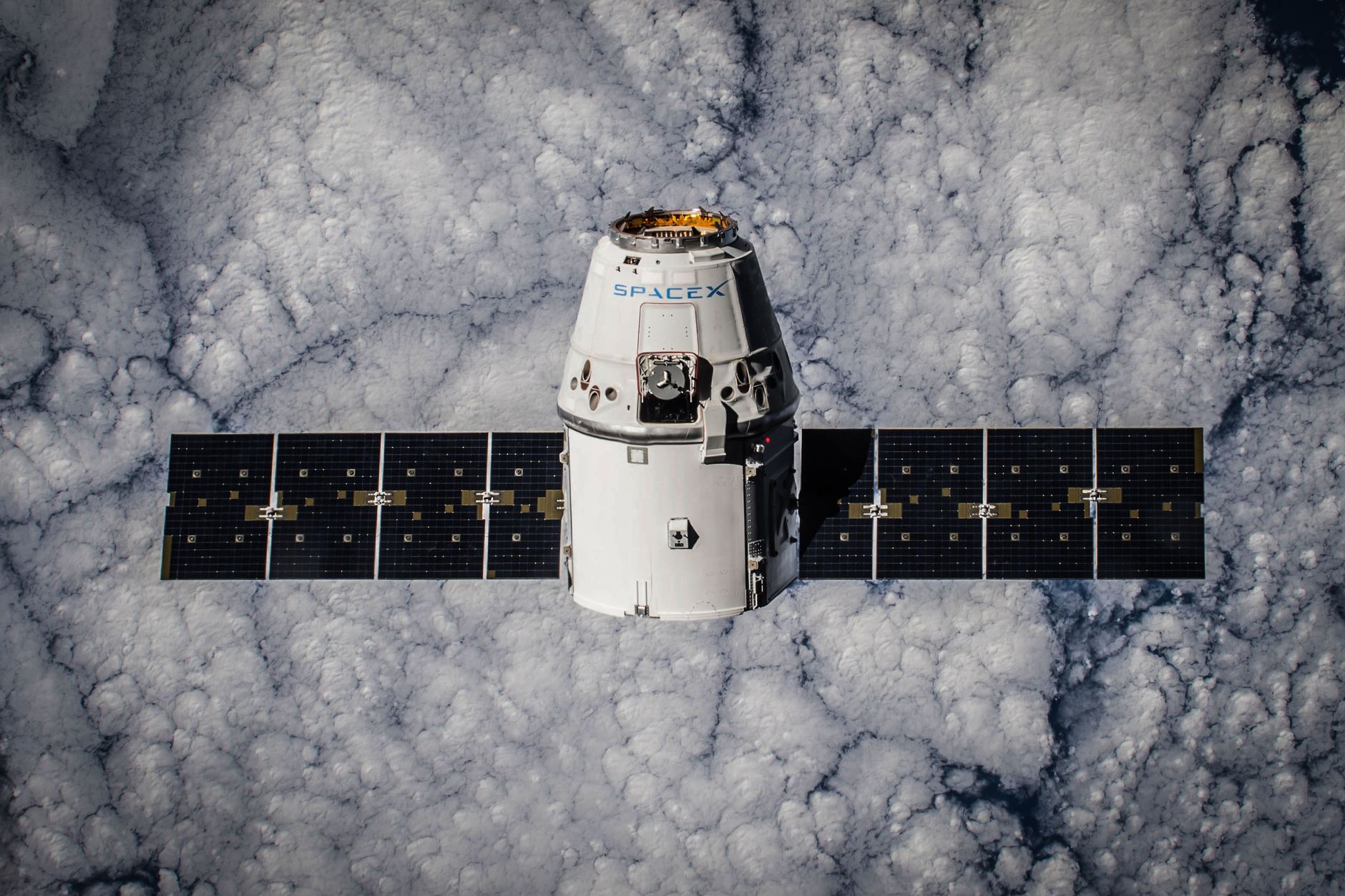
NASA astronaut Anil Menon and Roscosmos cosmonauts Pyotr Dubrov and Anna Kikina are set to launch to the International Space Station on Tuesday, July 14, as part of the Expedition 74/75 crew. The space station has been continuously occupied by humans for over 25 years, with a wide range of scientific research and technological advancements taking place on board. The space station is a critical component of NASA’s plans for long-duration missions to the Moon and Mars, as part of the Artemis program.
The crew will spend around eight months on the space station, conducting a variety of scientific experiments and technology demonstrations. Menon will be conducting research to refine in-space production of semiconductor crystals, which could enable the large-scale manufacturing of components needed for high-performance computers and medical devices. He will also be testing the use of ultrasound with augmented reality and other methods that could eliminate the need for medical support from Earth on future space missions.
Space Station Research and Operations
The International Space Station is a unique laboratory that allows scientists to conduct research in microgravity, which is not possible on Earth. The space station has a wide range of facilities and equipment, including laboratories, observatories, and experimental facilities. The crew will be conducting research in a variety of areas, including physics, biology, and astronomy.
The space station is also an important testbed for the development of new technologies and systems that will be needed for long-duration missions to the Moon and Mars. The crew will be testing the use of new life support systems, propulsion systems, and communication systems, as well as evaluating the effects of microgravity on the human body.
Expedition 74/75 Crew
The Expedition 74/75 crew will include a total of nine astronauts and cosmonauts, from NASA, Roscosmos, and the European Space Agency. The crew will be led by NASA astronaut Jessica Meir, and will include a wide range of scientific and technical expertise. The crew will be working together to conduct research, operate the space station, and prepare for future missions to the Moon and Mars.
- NASA astronaut Anil Menon
- Roscosmos cosmonaut Pyotr Dubrov
- Roscosmos cosmonaut Anna Kikina
- NASA astronaut Jessica Meir
- NASA astronaut Jack Hathaway
- NASA astronaut Chris Williams
- ESA astronaut Sophie Adenot
- Roscosmos cosmonaut Sergey Kud-Sverchkov
- Roscosmos cosmonaut Sergei Mikaev
Launch and Docking
The Soyuz MS-29 spacecraft will launch from the Baikonur Cosmodrome in Kazakhstan, and will dock with the space station after a two-orbit, three-hour journey. The spacecraft will automatically dock with the Prichal module, and the crew will then transfer to the space station. The hatch opening and welcome ceremony will take place shortly after docking, and will be broadcast live on NASA’s website and social media channels.
Future of Space Station Research
The International Space Station will continue to play a critical role in the development of new technologies and systems for long-duration missions to the Moon and Mars. The space station will also continue to provide a unique laboratory for scientific research, with a wide range of experiments and demonstrations taking place on board. As the space station looks to the future, it is clear that it will remain a vital component of NASA’s plans for space exploration and development.
Source: nasa.gov.





Be First to Comment