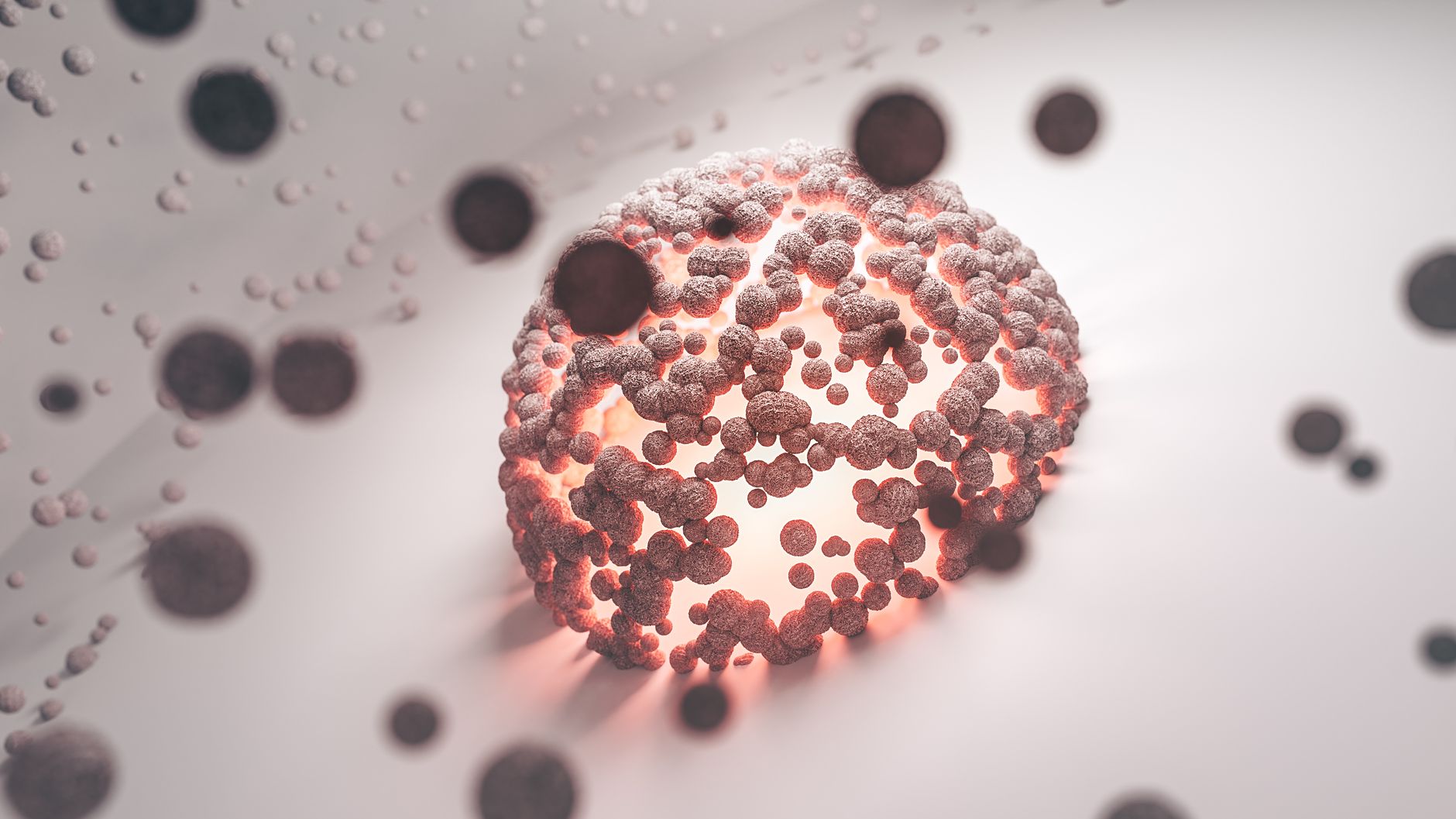
Cell death is a natural process that occurs in all living organisms, but recent research has uncovered a surprising new twist in what happens when cells die. As dying cells break apart, they leave behind tiny footprints of death packed with newly discovered particles that help guide the immune system to clean up the remains. The focus of this research is on cell death and its implications for our understanding of the immune system and viral spread.
The study of cell death has been an area of intense interest in recent years, with scientists working to understand the complex processes that occur when cells die. This research has led to a greater understanding of the role of cell death in a range of diseases, from cancer to Alzheimer’s. However, the latest findings suggest that cell death may also play a role in the spread of viral infections, such as influenza.
Cell Death and the Immune System
The immune system plays a crucial role in protecting the body against infection and disease. When cells die, they release signals that alert the immune system to the presence of dead cells. This triggers an immune response, with immune cells rushing to the scene to clean up the remains. However, the latest research suggests that viruses, such as influenza, may be able to exploit this process, hiding inside the microscopic packages left behind by dying cells and using them to spread to nearby cells.
This discovery has significant implications for our understanding of viral spread and the role of cell death in the immune system. It also raises important questions about the potential for new treatments that target the process of cell death and the immune response. For example, could targeting the footprints of death left behind by dying cells provide a new way to prevent the spread of viral infections?
Footprints of Death and Viral Spread
The footprints of death left behind by dying cells are tiny packages of particles that help guide the immune system to clean up the remains. However, the latest research suggests that these packages may also provide a hiding place for viruses, allowing them to spread to nearby cells. This has significant implications for our understanding of viral spread and the role of cell death in the immune system.
- Cell death plays a crucial role in the immune system, with dying cells releasing signals that alert the immune system to their presence.
- The footprints of death left behind by dying cells provide a guide for the immune system to clean up the remains.
- Viruses, such as influenza, may be able to exploit this process, hiding inside the microscopic packages left behind by dying cells and using them to spread to nearby cells.
The discovery of the role of footprints of death in viral spread has significant implications for our understanding of the immune system and the potential for new treatments. It also raises important questions about the potential for targeting the process of cell death and the immune response to prevent the spread of viral infections.
Implications and Future Directions
The latest research on cell death and the immune system has significant implications for our understanding of viral spread and the potential for new treatments. It also raises important questions about the potential for targeting the process of cell death and the immune response to prevent the spread of viral infections. As scientists continue to study the complex processes that occur when cells die, we may uncover new insights into the role of cell death in the immune system and the potential for new treatments.
Conclusion
In conclusion, the latest research on cell death has uncovered a surprising new twist in what happens when cells die. The discovery of the role of footprints of death in viral spread has significant implications for our understanding of the immune system and the potential for new treatments. As scientists continue to study the complex processes that occur when cells die, we may uncover new insights into the role of cell death in the immune system and the potential for new treatments, with cell death being a key factor in this process.
Source: sciencedaily.com.






Be First to Comment