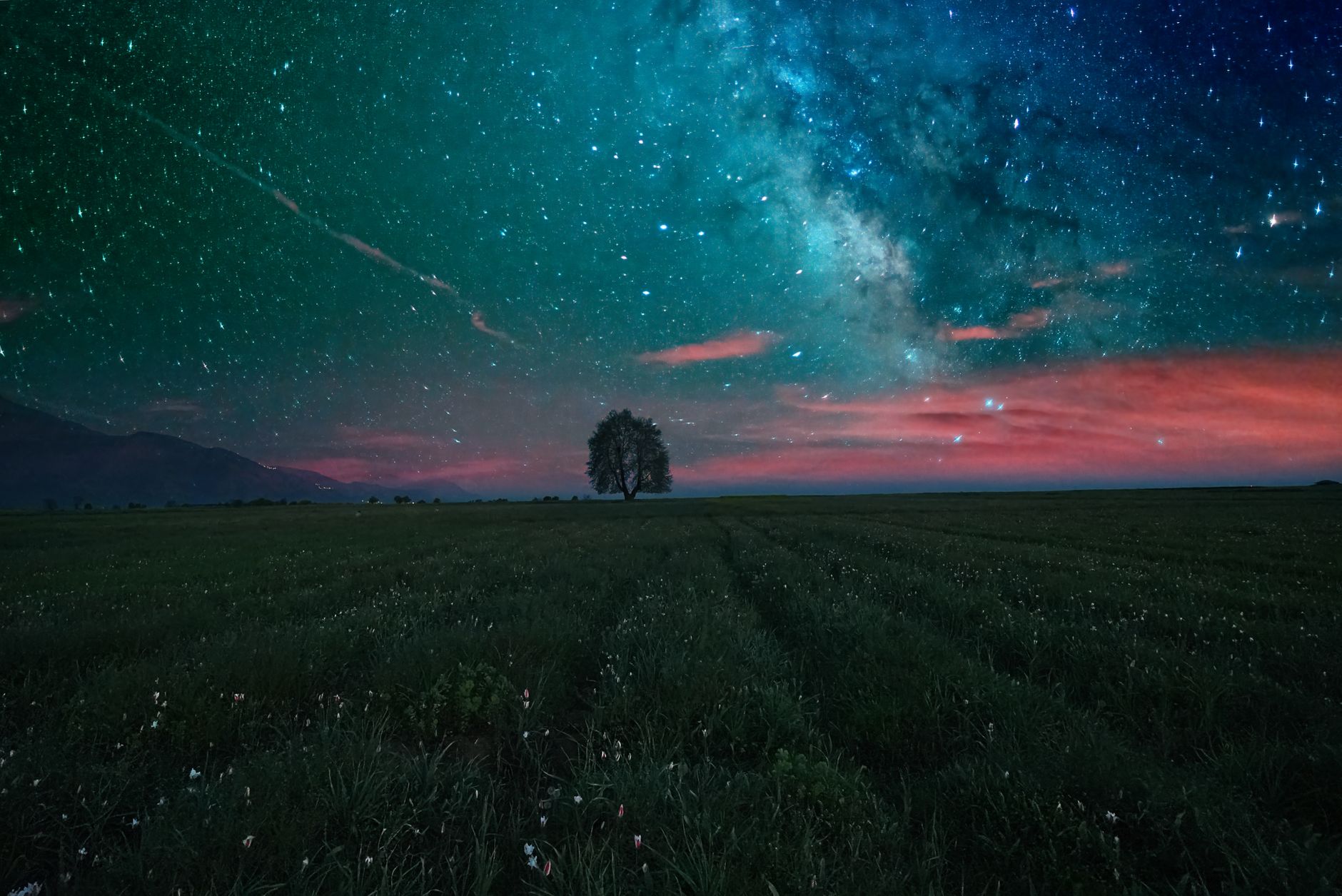
The concept of cosmic memory suggests that the universe is constantly recording its own history in the fabric of spacetime, and this idea has been gaining traction in recent years. Cosmic memory, in the context of this theory, refers to the notion that the universe has a memory of its own, and this memory could help explain some of the biggest puzzles in physics, from black holes to dark matter and the universe’s ultimate fate. The cosmic memory theory is still in its infancy, but it has the potential to revolutionize our understanding of the universe and its many mysteries.
The idea of cosmic memory is not new, but it has recently gained significant attention due to its potential to explain some of the most pressing questions in physics. The theory suggests that the universe is constantly recording its own history, and this record is imprinted on the fabric of spacetime. This means that every event, no matter how small, leaves a mark on the universe, and this mark can be used to understand the universe’s past, present, and future.
Cosmic Memory and Dark Matter
One of the biggest puzzles in physics is the existence of dark matter. Dark matter is a type of matter that does not emit, absorb, or reflect any electromagnetic radiation, making it invisible to our telescopes. However, its presence can be felt through its gravitational effects on visible matter. The cosmic memory theory could provide an explanation for dark matter, as it suggests that the universe has a memory of its own, and this memory could be used to understand the behavior of dark matter.
The cosmic memory theory also suggests that dark matter is not just a type of matter, but a manifestation of the universe’s memory. According to this theory, dark matter is a result of the universe’s memory of its own history, and it is this memory that gives dark matter its unique properties. This idea is still highly speculative, but it has the potential to revolutionize our understanding of dark matter and its role in the universe.
Cosmic Memory and Dark Energy
Another puzzle in physics is the existence of dark energy. Dark energy is a type of energy that is thought to be responsible for the accelerating expansion of the universe. However, its nature and properties are still not well understood. The cosmic memory theory could provide an explanation for dark energy, as it suggests that the universe has a memory of its own, and this memory could be used to understand the behavior of dark energy.
The cosmic memory theory also suggests that dark energy is not just a type of energy, but a manifestation of the universe’s memory. According to this theory, dark energy is a result of the universe’s memory of its own history, and it is this memory that gives dark energy its unique properties. This idea is still highly speculative, but it has the potential to revolutionize our understanding of dark energy and its role in the universe.
Cosmic Memory and Black Holes
Black holes are another puzzle in physics that the cosmic memory theory could help explain. Black holes are regions of spacetime where gravity is so strong that not even light can escape. However, the cosmic memory theory suggests that black holes are not just regions of spacetime, but also regions of the universe’s memory. According to this theory, black holes are a manifestation of the universe’s memory of its own history, and it is this memory that gives black holes their unique properties.
The cosmic memory theory also suggests that black holes are not just regions of spacetime, but also portals to other universes. According to this theory, black holes are a gateway to other universes, and it is through these gateways that the universe’s memory is transferred from one universe to another. This idea is still highly speculative, but it has the potential to revolutionize our understanding of black holes and their role in the universe.
Implications of the Cosmic Memory Theory
The cosmic memory theory has the potential to revolutionize our understanding of the universe and its many mysteries. If the theory is correct, it could provide an explanation for some of the biggest puzzles in physics, from dark matter to dark energy and black holes. The theory also suggests that the universe has a memory of its own, and this memory could be used to understand the universe’s past, present, and future.
- The cosmic memory theory could provide an explanation for dark matter and dark energy
- The theory suggests that black holes are a manifestation of the universe’s memory
- The cosmic memory theory could revolutionize our understanding of the universe and its many mysteries
The cosmic memory theory is still in its infancy, and much more research is needed to fully understand its implications. However, the theory has the potential to revolutionize our understanding of the universe and its many mysteries, and it is an area of research that is worth exploring further.
Conclusion
In conclusion, the cosmic memory theory is a new and exciting area of research that has the potential to revolutionize our understanding of the universe and its many mysteries. The theory suggests that the universe has a memory of its own, and this memory could be used to understand the universe’s past, present, and future. While the theory is still highly speculative, it is an area of research that is worth exploring further, and it has the potential to provide new insights into some of the biggest puzzles in physics.
Source: sciencedaily.com.






Be First to Comment