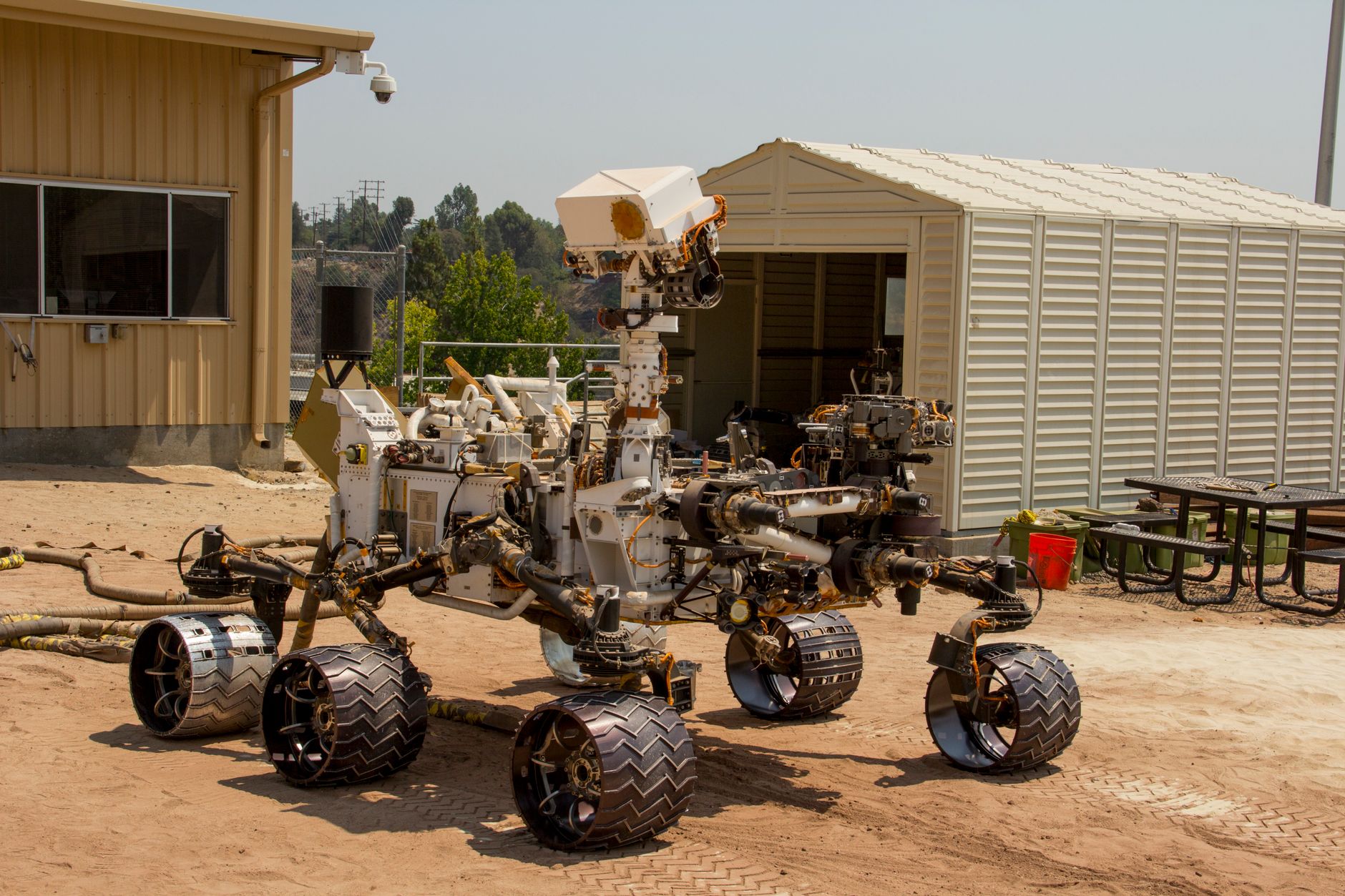
The curiosity rover has been exploring Mars for over a decade, with a total distance of over 23 miles driven and 4400 feet of elevation gain. This remarkable feat has provided scientists with a wealth of information about the planet’s geology and composition. The rover’s instruments, including the APXS and MAHLI, have been used to analyze the chemistry and texture of rocks and soil, revealing a complex and varied landscape.
The curiosity rover’s journey has not been without its challenges, however. The rover has had to navigate through dusty and rocky terrain, and has experienced damage to its wheels and other components. Despite these setbacks, the rover has continued to operate, providing scientists with valuable data and insights into the Martian environment.
Curiosity Rover’s Mission Objectives
The curiosity rover’s primary mission objective is to explore the Martian surface and gather data about the planet’s geology and composition. The rover is equipped with a range of instruments, including the APXS, MAHLI, and ChemCam, which allow it to analyze the chemistry and texture of rocks and soil. The rover has also been used to study the Martian atmosphere and climate, and has provided scientists with valuable insights into the planet’s potential habitability.
Key Findings and Discoveries
One of the most significant discoveries made by the curiosity rover is the presence of water on Mars. The rover has found evidence of ancient lakes and rivers, and has even discovered deposits of clay and other minerals that are associated with water. These findings have significant implications for the search for life on Mars, and have provided scientists with a new understanding of the planet’s history and evolution.
- The curiosity rover has driven over 23 miles on Mars
- The rover has climbed over 4400 feet of elevation gain
- The rover has analyzed the chemistry and texture of rocks and soil using its APXS and MAHLI instruments
- The rover has discovered evidence of ancient lakes and rivers on Mars
- The rover has found deposits of clay and other minerals associated with water
Future Plans and Prospects
As the curiosity rover continues to explore Mars, scientists are looking to the future and planning for new missions and discoveries. The rover is expected to continue operating for several more years, and will likely provide scientists with even more valuable data and insights into the Martian environment. With its advanced instruments and capabilities, the curiosity rover is an essential tool for scientists seeking to understand the Red Planet and its many mysteries.
Conclusion
In conclusion, the curiosity rover has been a groundbreaking mission that has provided scientists with a wealth of information about Mars and its geology. The rover’s advanced instruments and capabilities have allowed it to analyze the chemistry and texture of rocks and soil, and have revealed a complex and varied landscape. As the rover continues to explore Mars, scientists are looking to the future and planning for new missions and discoveries, and the curiosity rover will remain an essential tool for understanding the Red Planet and its many mysteries.
Source: science.nasa.gov.






Be First to Comment