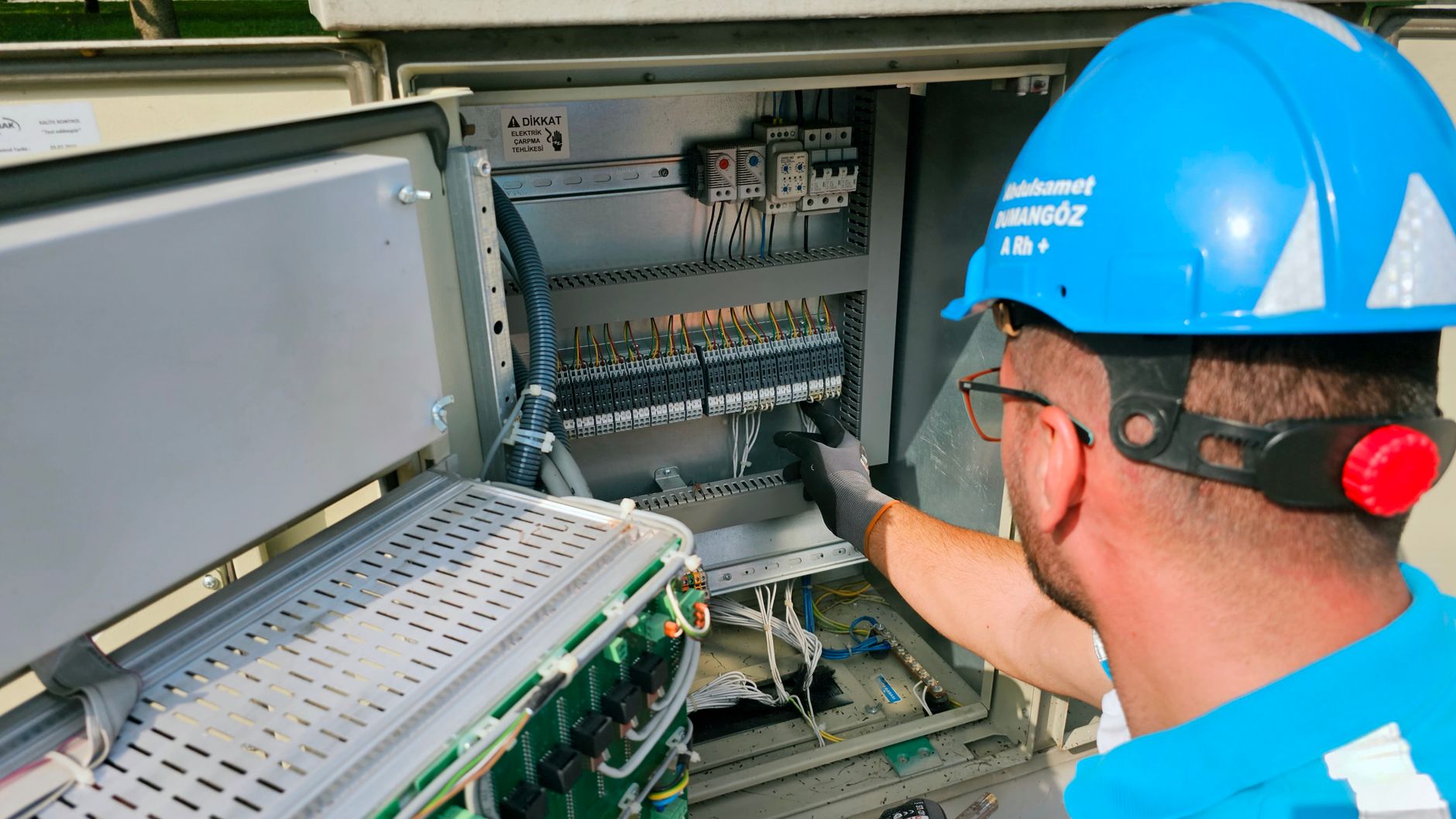
Electricity powers the world, and electricians are the ones who get it where it needs to go. An electrician is an expert who is trained to make sure electrical systems and equipment are installed safely and working correctly. Electricians are involved in a variety of systems, including power, lighting, communications, and more – anything that needs electricity to run.
While electricians ensure systems and equipment have the power they need, electrical technicians focus on building, modifying, or testing electronic devices. At NASA, electricians keep the lights on and the power flowing for rocket launches, scientific research, and everything in between.
What is an Electrician?
An electrician is a skilled tradesperson who installs, maintains, and repairs electrical systems and equipment. They work with a variety of tools and materials, including wire, circuit breakers, and electrical panels. Electricians must have a strong understanding of electrical theory and safety protocols to perform their job effectively.
There are several types of electricians, including residential, commercial, and industrial electricians. Each type of electrician specializes in a specific area of electrical work and may require different training and certifications.
Electrician Career Path
The electrician career path typically begins with an apprenticeship or formal training program. These programs provide students with the skills and knowledge needed to become a licensed electrician. After completing an apprenticeship or training program, electricians can obtain a journeyman’s license and work under the supervision of a master electrician.
With experience and additional training, electricians can advance to master electrician status and work independently. Master electricians can also supervise other electricians and apprentices.
Benefits of an Electrician Career
An electrician career offers several benefits, including job security, growth opportunities, and competitive pay. Electricians are in high demand, and their services are essential to many industries, including construction, manufacturing, and healthcare.
- Job security: Electricians are always in demand, and their services are essential to many industries.
- Growth opportunities: Experienced electricians can advance to supervisory roles or start their own businesses.
- Competitive pay: Electricians are typically well-compensated for their work, with median salaries ranging from $50,000 to over $100,000 per year.
In addition to these benefits, electricians also have the opportunity to work on a variety of projects, from residential construction to industrial automation. This diversity of work can make an electrician career interesting and challenging.
Conclusion
In conclusion, an electrician career is a rewarding and challenging profession that offers many benefits. With the right training and experience, electricians can advance to supervisory roles or start their own businesses. Whether you’re just starting out or looking to make a career change, an electrician career is definitely worth considering.
Source: nasa.gov.






Be First to Comment