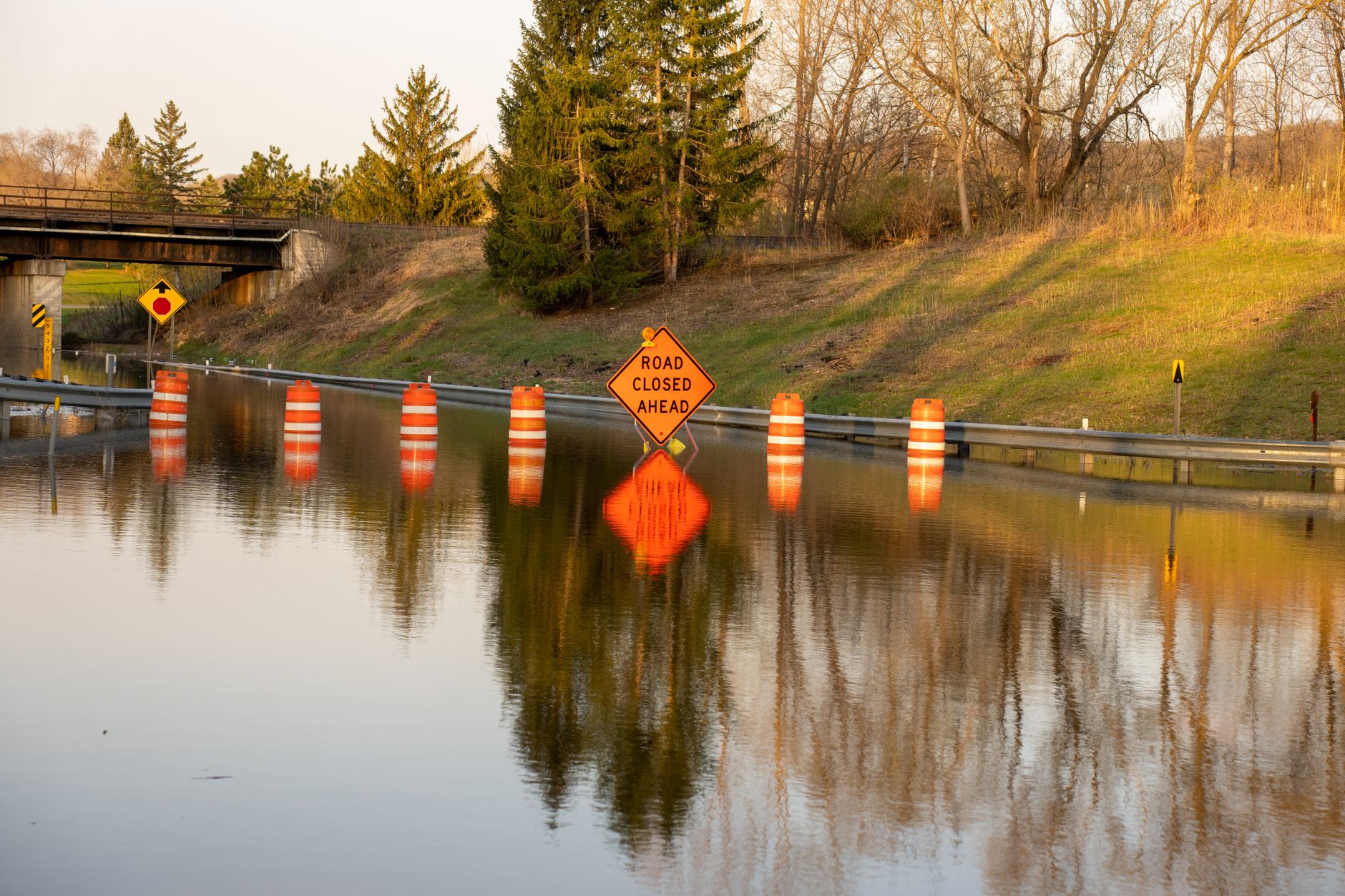
Flash flood warnings are a crucial tool for saving lives and preventing damage from severe weather events. The Transient Artifact and Continuous Learning System (TACLS) is a new software that leverages data from continuously operating satellite networks coupled with machine learning models to help meteorologists at the National Weather Service forecast flash floods more efficiently.
This new software is the result of a collaboration between NASA’s Jet Propulsion Laboratory, the University of California, San Diego (UCSD), and the National Oceanic and Atmospheric Administration (NOAA) National Weather Service (NWS). The TACLS system uses machine learning to automatically locate evidence of impending flash flooding that meteorologists may otherwise miss as they analyze large amounts of data.
How TACLS Works
TACLS flags that evidence, indicates where flash flooding could likely occur, and displays that information via a user-friendly visualization for human analysts to interpret. Those analysts can then decide whether to issue a flash flood warning or weather advisory. This novel framework for tracking extreme weather events and predicting imminent flash floods operates in near real-time, producing forecasts in as little as fifteen minutes.
The TACLS system has two main components. First, an analytic back-end software suite uses machine learning algorithms to process satellite data and determine areas at risk for flooding. Second, user-friendly visualization software highlights those areas for further analysis by humans.
Benefits of TACLS
The benefits of TACLS are numerous. By providing more accurate and timely flash flood warnings, TACLS can help save lives and prevent damage to property and infrastructure. The system can also help reduce the economic impact of flash flooding by providing communities with more time to prepare and respond to severe weather events.
- Improved accuracy: TACLS uses machine learning to analyze large amounts of data and identify patterns that may indicate impending flash flooding.
- Faster response times: TACLS can produce forecasts in as little as fifteen minutes, allowing communities to respond quickly to severe weather events.
- Enhanced decision-making: TACLS provides human analysts with critical information to make informed decisions about issuing flash flood warnings or weather advisories.
Implications and Future Directions
The implications of TACLS are significant. By enhancing flash flood warnings with machine learning, TACLS can help reduce the impact of severe weather events on communities. As the system continues to be developed and refined, it is likely to have a major impact on the field of meteorology and emergency management.
Conclusion
In conclusion, flash flood warnings are being enhanced with machine learning to predict severe weather events, providing communities with more time to prepare and respond. The TACLS system is a powerful tool that can help save lives and prevent damage from flash flooding. As the system continues to be developed and refined, it is likely to have a major impact on the field of meteorology and emergency management.
Source: science.nasa.gov.






Be First to Comment