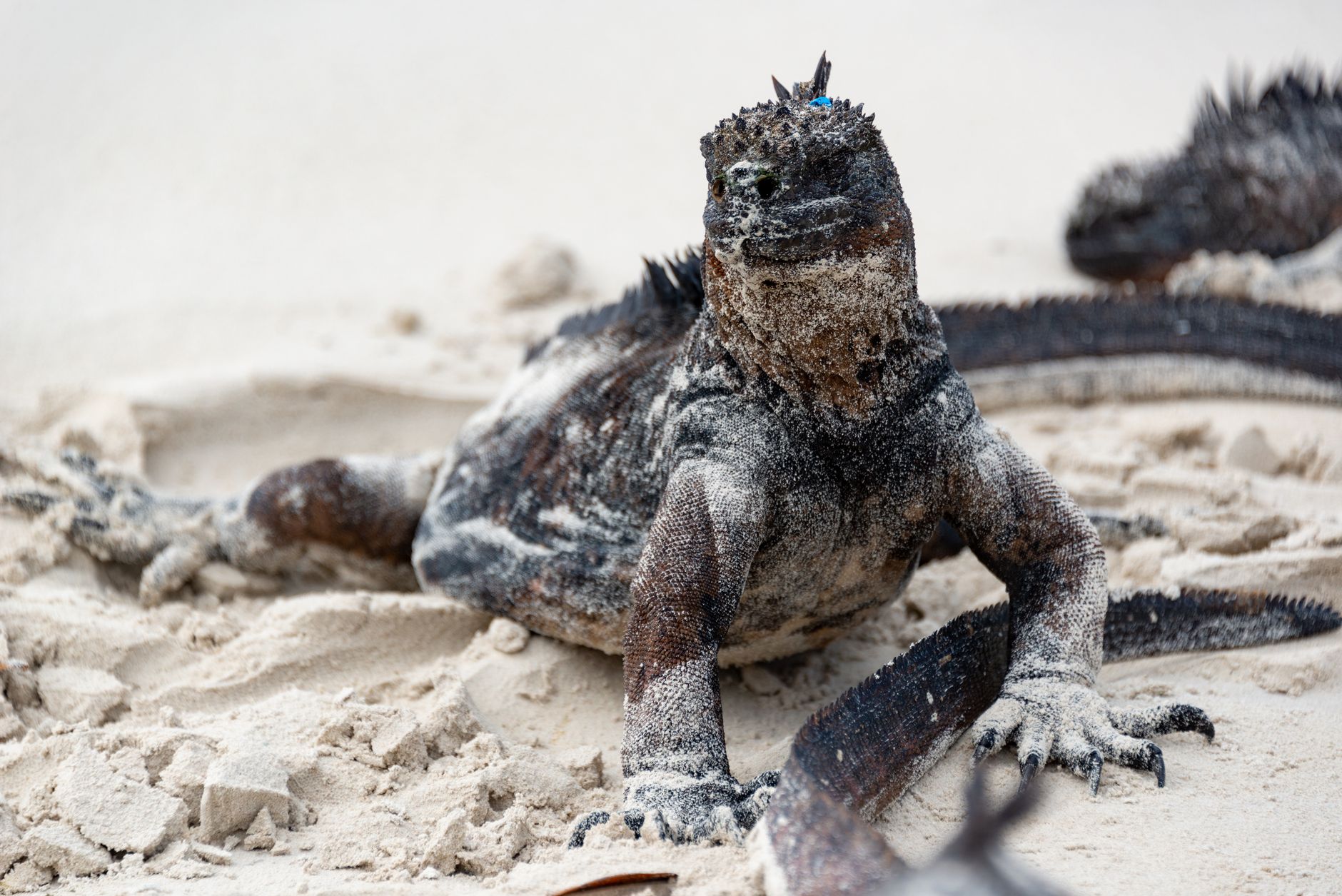
The galapagos evolution has been a subject of fascination for scientists and researchers for over 150 years. The unique ecosystem of the Galapagos Islands has provided a perfect environment for studying the process of evolution. Recently, scientists have made a groundbreaking discovery that sheds new light on the galapagos evolution. Giant daisies on the islands have developed similar heat-tolerant leaf shapes, but each lineage has used a different combination of genes to achieve this.
This finding has significant implications for our understanding of the galapagos evolution and the process of speciation. The fact that different lineages have developed similar traits independently suggests that the environment is playing a key role in shaping the evolution of these species. The galapagos evolution is a complex and multifaceted process that is still not fully understood, and this discovery provides a new insight into the mechanisms that drive it.
Galapagos Evolution: A History
The Galapagos Islands have been a hub of evolutionary activity for millions of years. The unique geography of the islands, with their volcanic origins and isolated location, has created a perfect environment for species to evolve and adapt. The galapagos evolution has been shaped by a combination of factors, including climate change, geological activity, and the introduction of new species.
One of the most significant events in the galapagos evolution was the arrival of humans on the islands. The introduction of invasive species, such as rats, goats, and cats, has had a devastating impact on the native wildlife. Many species have been driven to the brink of extinction, and the galapagos evolution has been severely disrupted. However, conservation efforts are underway to protect the remaining species and restore the balance of the ecosystem.
Key Findings: 5 Surprising Developments
- Giant daisies have developed similar heat-tolerant leaf shapes, but each lineage has used a different combination of genes.
- The galapagos evolution is driven by a combination of environmental and genetic factors.
- The introduction of invasive species has had a significant impact on the native wildlife.
- Conservation efforts are underway to protect the remaining species and restore the balance of the ecosystem.
- The galapagos evolution is a complex and multifaceted process that is still not fully understood.
The galapagos evolution is a fascinating and complex process that continues to surprise scientists and researchers. The latest discovery of giant daisies developing similar heat-tolerant leaf shapes is just one example of the many surprising developments that have been observed on the islands. As we continue to study the galapagos evolution, we are likely to uncover many more secrets and surprises that will help us better understand the natural world.
Implications and Future Directions
The galapagos evolution has significant implications for our understanding of the natural world and the process of speciation. The fact that different lineages have developed similar traits independently suggests that the environment is playing a key role in shaping the evolution of these species. This has important implications for conservation efforts, as it suggests that protecting the environment and preserving the natural balance of the ecosystem is crucial for maintaining biodiversity.
As we look to the future, it is clear that the galapagos evolution will continue to be an important area of research and study. Scientists will continue to uncover new secrets and surprises that will help us better understand the natural world and the process of evolution. The galapagos evolution is a complex and multifaceted process that is still not fully understood, and it will likely remain an important area of research for many years to come.
Conclusion: The Future of Galapagos Evolution
Source: sciencedaily.com.






Be First to Comment