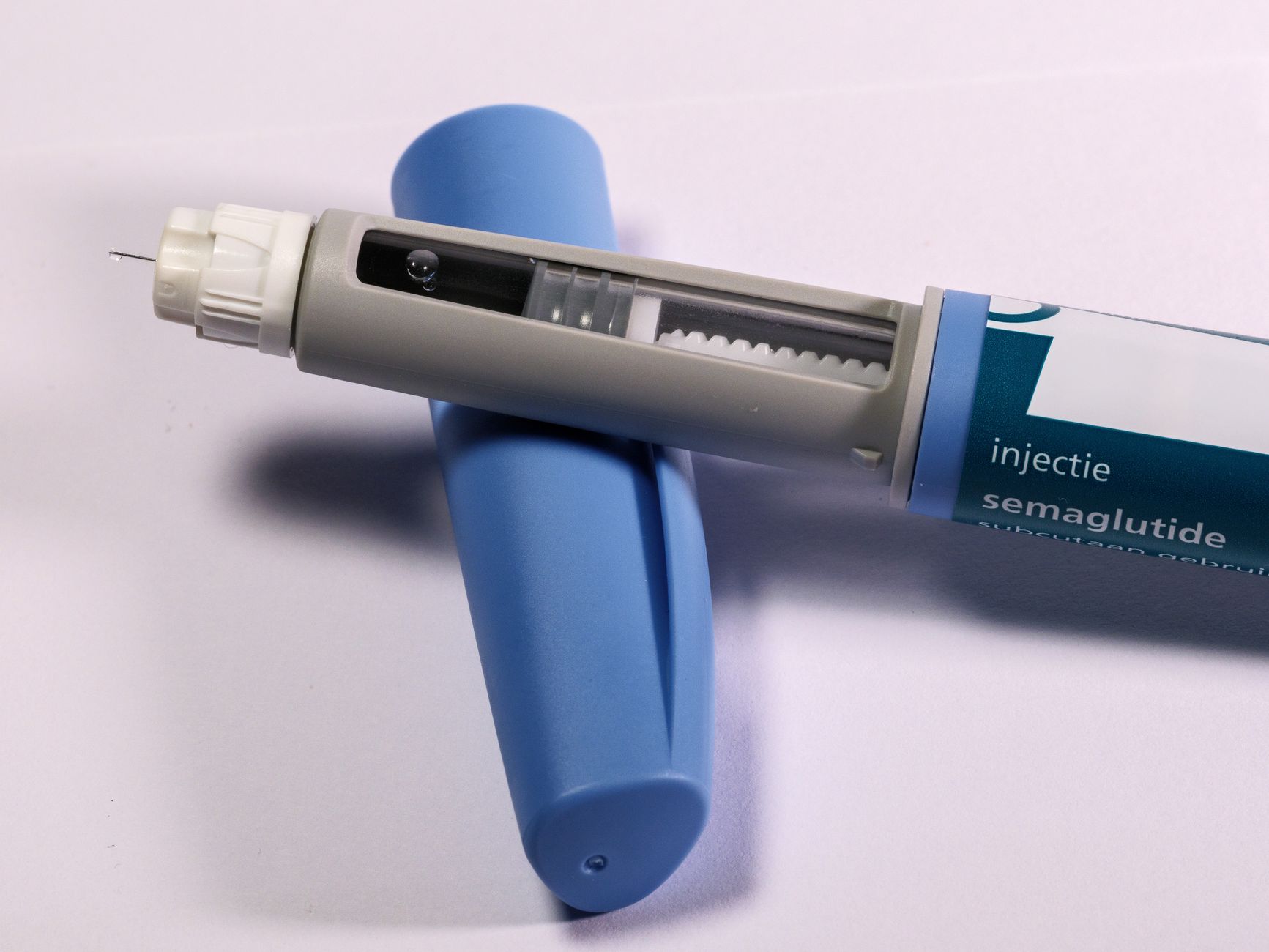
New research has shed light on the potential of glp-1 drugs in reducing food cravings. GLP-1 drugs, related to semaglutide medications such as Ozempic, have been found to quiet a deep brain reward circuit in mice, leading to reduced pleasure-driven eating. This breakthrough could open new avenues for understanding food cravings and potentially treating substance use disorder.
The findings of this study are significant, as they suggest that glp-1 drugs may have a role to play in the treatment of conditions characterized by excessive food cravings. The brain’s reward circuit is a complex system that plays a crucial role in regulating food intake and cravings. By quieting this circuit, glp-1 drugs may help individuals to reduce their food cravings and make healthier food choices.
Understanding GLP-1 Drugs
GLP-1 drugs are a class of medications that are used to treat type 2 diabetes. They work by mimicking the action of a natural hormone in the body that helps to regulate blood sugar levels. In addition to their use in diabetes treatment, glp-1 drugs have also been found to have a number of other potential benefits, including weight loss and improved cardiovascular health.
The use of glp-1 drugs in the treatment of food cravings is a relatively new area of research. However, the findings of this study suggest that these medications may have a role to play in the treatment of conditions such as binge eating disorder and obesity. Further research is needed to fully understand the potential benefits and risks of using glp-1 drugs for this purpose.
The Brain’s Reward Circuit
The brain’s reward circuit is a complex system that plays a crucial role in regulating food intake and cravings. This circuit is made up of a number of different brain regions, including the hypothalamus, the amygdala, and the prefrontal cortex. When we eat, these brain regions work together to release feel-good chemicals such as dopamine, which reinforces the behavior and makes us more likely to repeat it.
In individuals with excessive food cravings, the brain’s reward circuit may be overactive, leading to an increased release of dopamine and other feel-good chemicals. This can create a vicious cycle, where the individual is driven to eat more and more in order to satisfy their cravings. By quieting the brain’s reward circuit, glp-1 drugs may help to break this cycle and reduce food cravings.
Potential Benefits of GLP-1 Drugs
The potential benefits of glp-1 drugs in the treatment of food cravings are significant. Some of the possible advantages of using these medications include:
- Reduced food cravings: By quieting the brain’s reward circuit, glp-1 drugs may help to reduce food cravings and make healthier food choices easier.
- Weight loss: GLP-1 drugs have been found to promote weight loss in individuals with obesity, which may be beneficial for overall health and wellbeing.
- Improved cardiovascular health: The use of glp-1 drugs has been associated with improved cardiovascular health, including lower blood pressure and cholesterol levels.
In addition to these potential benefits, glp-1 drugs may also have a number of other advantages. For example, they may be easier to use than other medications, as they are available in oral form and do not require injections. However, further research is needed to fully understand the potential benefits and risks of using glp-1 drugs for the treatment of food cravings.
Conclusion and Future Directions
The findings of this study suggest that glp-1 drugs may have a role to play in the treatment of food cravings. By quieting the brain’s reward circuit, these medications may help to reduce food cravings and make healthier food choices easier. However, further research is needed to fully understand the potential benefits and risks of using glp-1 drugs for this purpose. As research in this area continues to evolve, it will be important to consider the potential implications of using glp-1 drugs in the treatment of food cravings, as well as the potential risks and benefits of these medications.
Source: sciencedaily.com.




Be First to Comment