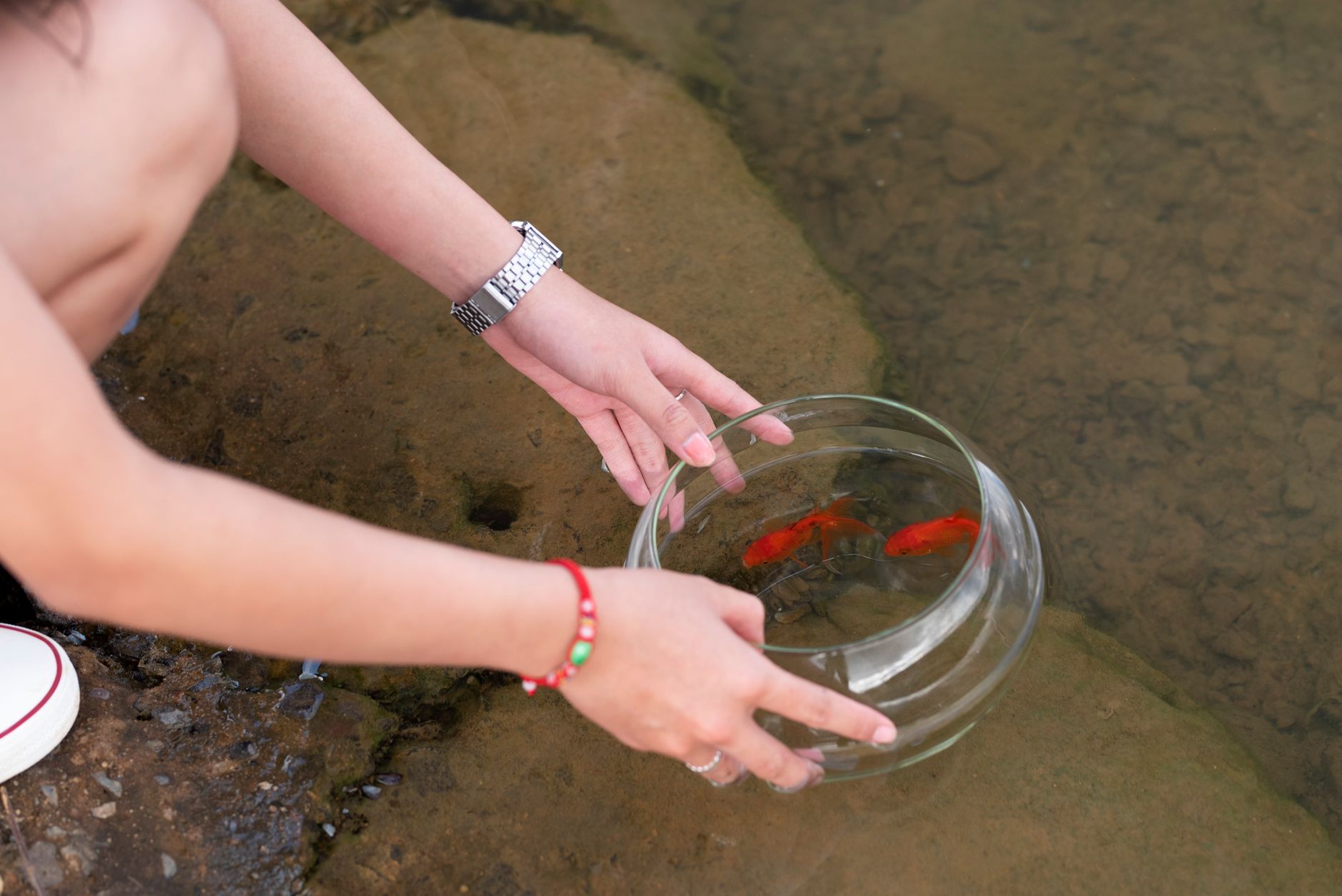
The goldfish invasion is a growing concern for environmentalists and scientists alike, as these small creatures can cause significant damage to freshwater ecosystems. Goldfish can cloud water, damage food webs, and hurt native fish populations, sometimes triggering major ecological shifts. In fact, researchers have found that goldfish can fundamentally reshape freshwater ecosystems, leading to a decline in biodiversity and ecosystem health.
One of the main reasons goldfish are able to thrive in the wild is due to their ability to adapt to different environments. They can survive in a wide range of temperatures and can even tolerate low oxygen levels, making them a formidable invasive species. Additionally, goldfish are able to reproduce quickly, leading to a rapid increase in population and further exacerbating the problem.
Goldfish Invasion: A Growing Concern
The goldfish invasion is not a new phenomenon, but it has gained significant attention in recent years due to its devastating impact on ecosystems. In many cases, goldfish are released into the wild by pet owners who no longer want to care for them, or they escape from aquariums and ponds. Once in the wild, goldfish can quickly establish themselves and begin to cause harm to native species.
Some of the key effects of the goldfish invasion include:
- Clouding of water, reducing sunlight and affecting photosynthesis
- Damage to food webs, leading to a decline in native fish populations
- Harm to native vegetation, reducing biodiversity and ecosystem health
- Introduction of new diseases, further threatening native species
Ecological Shifts and Consequences
The goldfish invasion can lead to significant ecological shifts, including changes to the composition of native species and the structure of ecosystems. In some cases, the introduction of goldfish can even lead to the extinction of native species, as they are outcompeted for resources and habitat. Furthermore, the goldfish invasion can have significant economic and social impacts, including damage to fisheries and tourism industries.
It is essential to take action to prevent the goldfish invasion and mitigate its effects. This can include educating the public about the risks of releasing non-native species into the wild, as well as implementing policies to prevent the sale and trade of invasive species. Additionally, researchers and scientists must continue to study the goldfish invasion and its effects, in order to develop effective strategies for management and control.
Conclusion and Future Directions
In conclusion, the goldfish invasion is a significant environmental concern that requires immediate attention and action. By understanding the causes and consequences of the goldfish invasion, we can work towards preventing its spread and mitigating its effects. It is essential to take a proactive approach to managing invasive species, in order to protect native ecosystems and preserve biodiversity for future generations.
Source: sciencedaily.com.





Be First to Comment