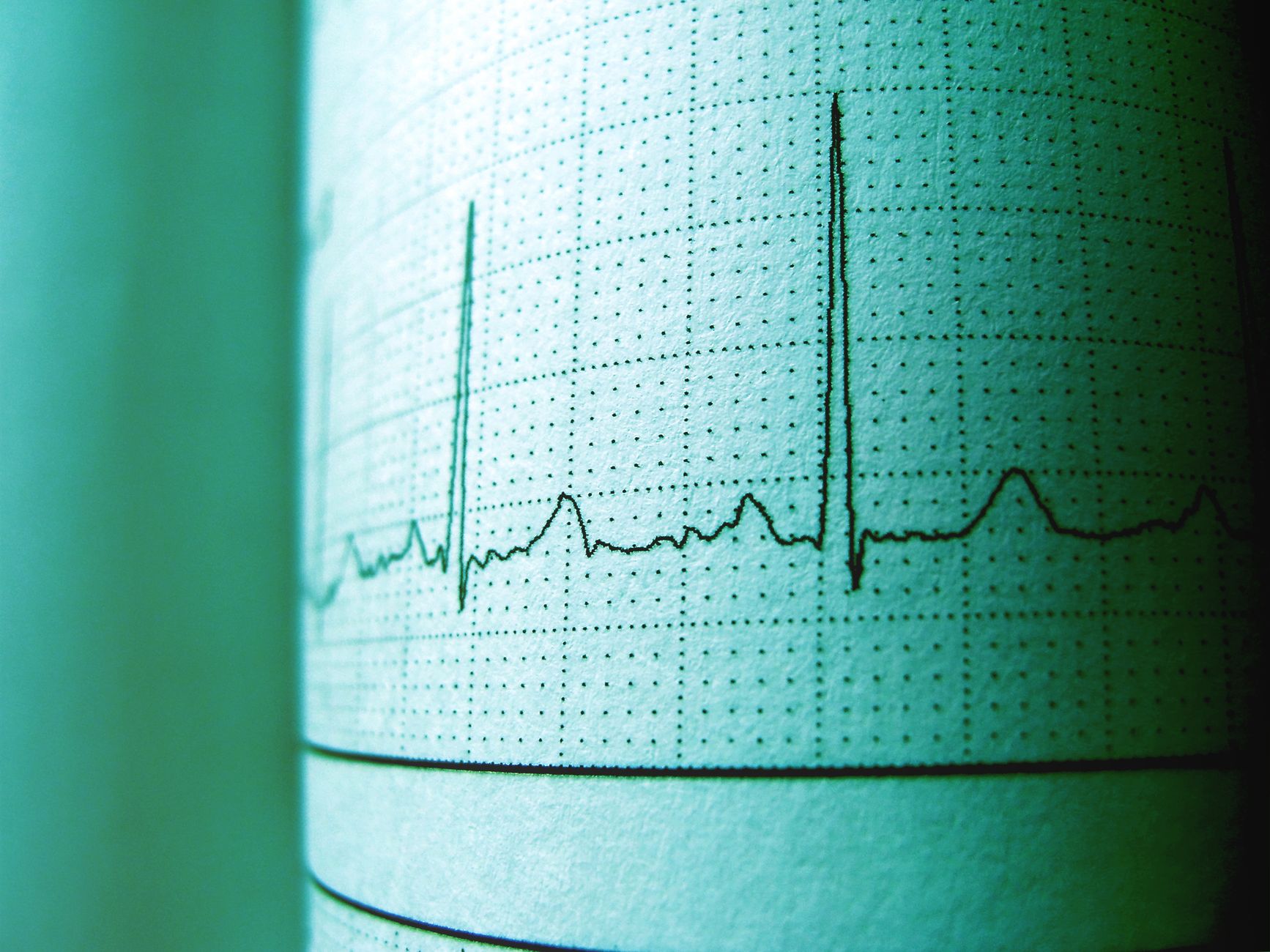
Heart disease prediction is a rapidly evolving field, with scientists continually working to develop new methods for identifying those at risk of serious heart and circulation problems. A new AI-powered blood test, known as CardiOmicScore, has been developed by researchers at the University of Hong Kong, and it could give people a remarkably early warning of these issues. The test analyzes thousands of proteins and metabolites to estimate the risk of six major cardiovascular diseases, including heart attack, stroke, heart failure, and atrial fibrillation.
Unlike genetic risk scores, which remain fixed throughout life, the CardiOmicScore system captures biological changes linked to a person’s current health, lifestyle, and environment. This means that the test can provide a more accurate picture of an individual’s risk of developing heart disease, and can help to identify those who may be at risk due to factors such as diet, exercise, and smoking.
How Heart Disease Prediction Works
The CardiOmicScore test works by analyzing a blood sample for thousands of different proteins and metabolites. These biomarkers can provide valuable information about an individual’s risk of developing heart disease, and can help to identify those who may be at risk due to factors such as high blood pressure, high cholesterol, and diabetes. The test is non-invasive and can be performed in a matter of minutes, making it a convenient and efficient way to assess an individual’s risk of heart disease.
The development of the CardiOmicScore test is a significant breakthrough in the field of heart disease prediction. By providing an early warning of potential problems, the test can help to save lives and reduce the risk of serious heart and circulation problems. The test is also highly accurate, with studies showing that it can identify those at risk of heart disease with a high degree of precision.
The Benefits of Heart Disease Prediction
The benefits of heart disease prediction are clear. By identifying those at risk of serious heart and circulation problems, the CardiOmicScore test can help to save lives and reduce the risk of heart disease. The test can also help to identify those who may be at risk due to factors such as diet, exercise, and smoking, and can provide valuable information about the effectiveness of different treatments and interventions.
- Early warning of potential problems
- Highly accurate and non-invasive
- Can help to identify those at risk due to lifestyle factors
- Can provide valuable information about the effectiveness of different treatments and interventions
The CardiOmicScore test is a significant breakthrough in the field of heart disease prediction, and has the potential to save lives and reduce the risk of serious heart and circulation problems. By providing an early warning of potential problems, the test can help to identify those at risk and provide valuable information about the effectiveness of different treatments and interventions.
Implications and Questions to Watch
The development of the CardiOmicScore test raises a number of important questions about the future of heart disease prediction. How will the test be used in clinical practice, and what are the implications for patients and healthcare providers? How will the test be integrated into existing healthcare systems, and what are the potential benefits and challenges of widespread adoption? These are just a few of the questions that will need to be addressed as the CardiOmicScore test becomes more widely available.
Conclusion
In conclusion, the CardiOmicScore test is a significant breakthrough in the field of heart disease prediction. By providing an early warning of potential problems, the test can help to save lives and reduce the risk of serious heart and circulation problems. As the test becomes more widely available, it will be important to monitor its use and effectiveness, and to address any questions or concerns that may arise.
Source: sciencedaily.com.





Be First to Comment