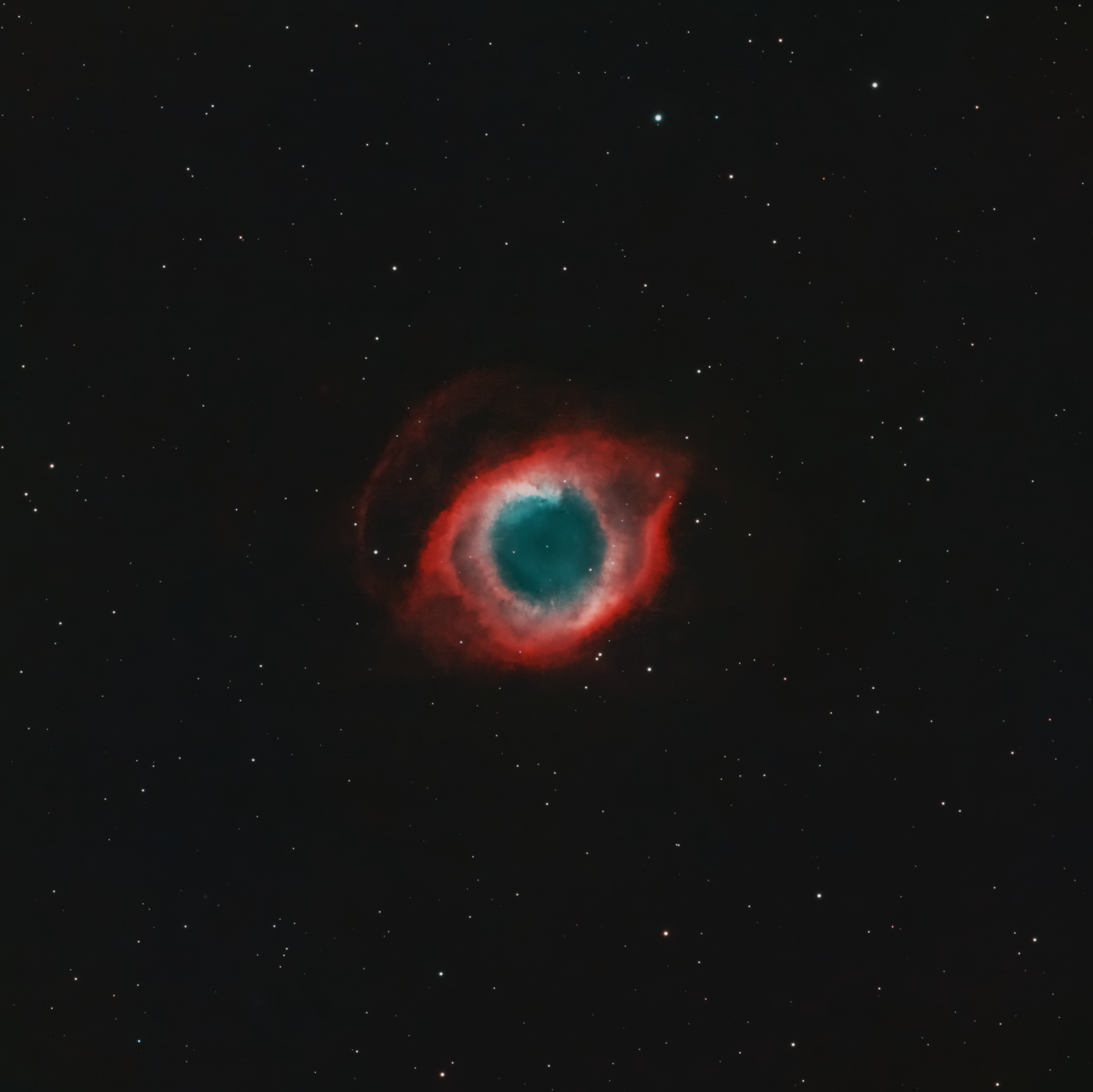
The hubble spots a spectacular red, white, and blue view of one of the Milky Way’s oldest star clusters to celebrate the nation’s 250th anniversary. Hidden within the ancient cluster are clues to how exploding stars helped transform the young universe into one capable of forming planets and, eventually, life. The Hubble Space Telescope has been a cornerstone of astronomy for decades, providing breathtaking views of the cosmos and shedding light on the mysteries of the universe.
As we celebrate the nation’s 250th anniversary, it’s fitting that Hubble has captured an image that embodies the spirit of American ingenuity and exploration. The star cluster, a stunning example of celestial beauty, is a reminder of the awe-inspiring wonders that await us in the vast expanse of space.
Hubble Spots and the Formation of Planets
The discovery of the star cluster and its role in the formation of planets is a significant one. By studying the ancient cluster, scientists can gain valuable insights into the processes that shaped the early universe and led to the creation of life. The Hubble Space Telescope has been instrumental in this research, providing high-resolution images and spectra that have helped scientists to better understand the properties of the cluster and its constituent stars.
The formation of planets is a complex process that involves the gravitational collapse of gas and dust in the early universe. As the material collapses, it begins to spin faster and faster, eventually flattening into a disk shape. This disk, known as a protoplanetary disk, is the raw material from which planets are formed. The study of star clusters like the one captured by Hubble can provide valuable insights into this process and help scientists to better understand how planets form and evolve over time.
The Significance of Exploding Stars
Exploding stars, also known as supernovae, play a crucial role in the formation of planets and the creation of life. These massive explosions occur when a star runs out of fuel and collapses in on itself, causing a massive release of energy that can be seen from millions of light-years away. The explosion scatters heavy elements throughout the universe, providing the raw material from which planets and life can form.
The study of supernovae is an active area of research, with scientists using a variety of techniques to study these explosions and their role in the formation of planets. By analyzing the light curves and spectra of supernovae, scientists can gain insights into the properties of the exploding star and the surrounding interstellar medium. This information can be used to better understand the processes that shape the universe and lead to the creation of life.
Key Facts About Star Clusters
- Star clusters are groups of stars that are gravitationally bound together.
- They can contain anywhere from a few dozen to millions of stars.
- Star clusters are thought to be the building blocks of galaxies, with many galaxies containing hundreds or thousands of clusters.
- The study of star clusters can provide valuable insights into the formation and evolution of galaxies.
- Star clusters can be used to test theories of gravity and the behavior of matter in extreme environments.
In conclusion, the Hubble Space Telescope has captured a stunning image of a star cluster that embodies the spirit of American ingenuity and exploration. The discovery of this cluster and its role in the formation of planets is a significant one, providing valuable insights into the processes that shaped the early universe and led to the creation of life. As we continue to explore the universe and push the boundaries of human knowledge, we are reminded of the awe-inspiring wonders that await us in the vast expanse of space.
Future Research and Exploration
As we look to the future, it’s clear that the study of star clusters and the formation of planets will continue to be an active area of research. With the launch of new telescopes and missions, scientists will be able to study the universe in greater detail than ever before, providing new insights into the mysteries of the cosmos. Whether it’s the formation of planets, the behavior of supernovae, or the properties of dark matter, there’s no shortage of exciting research areas to explore. As we continue to push the boundaries of human knowledge, we are reminded of the importance of continued investment in scientific research and exploration.
Source: sciencedaily.com.






Be First to Comment