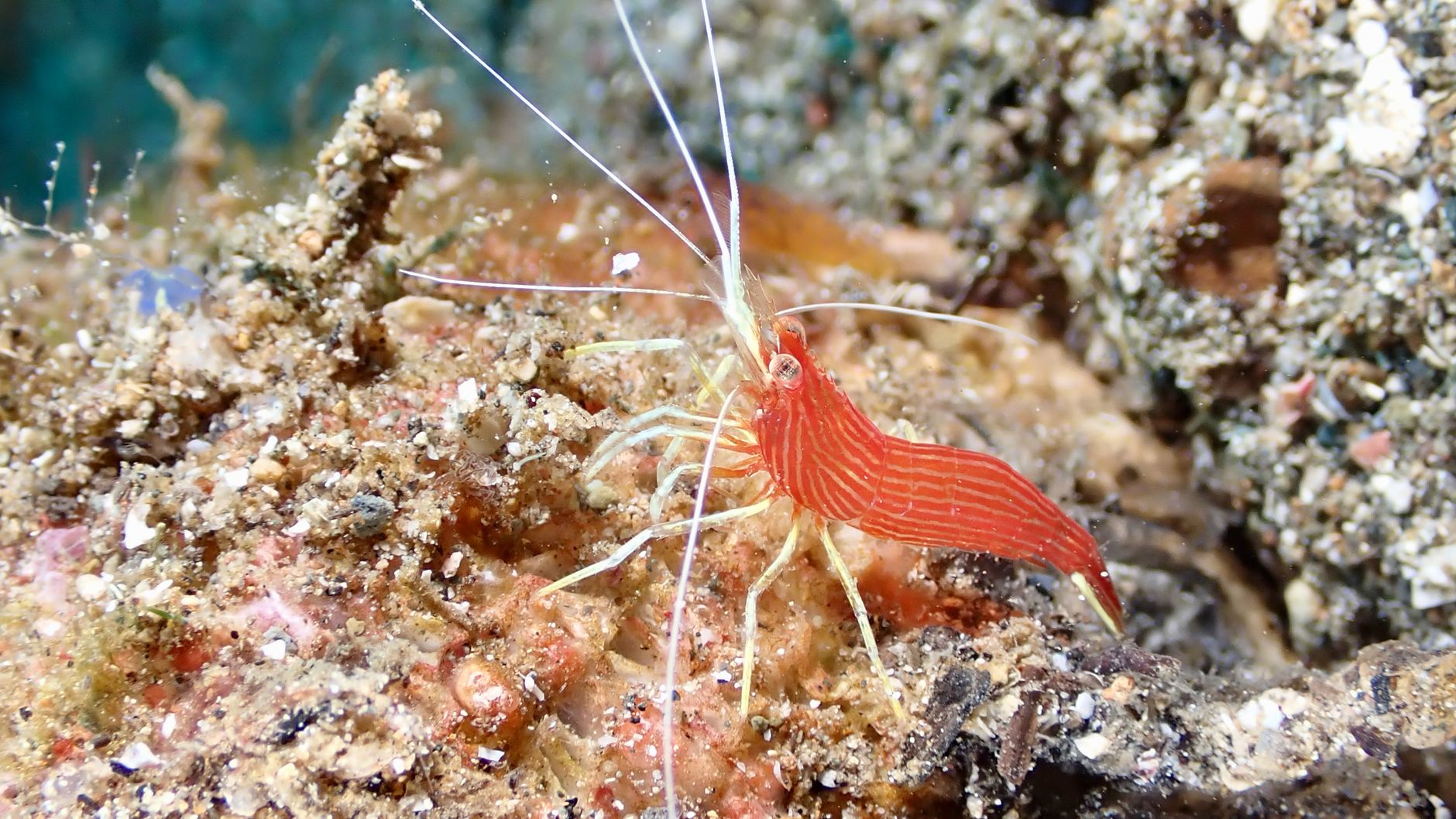
Insect submariners are a fascinating phenomenon where certain insects, such as lake fly larvae, dive to great depths to escape predators. These insect submariners plunge more than 200 meters into Lake Malawi each day, using tiny air sacs to control their depth. The ability of these insects to survive such depths challenges a popular explanation for why insects are absent from the open ocean.
The key to their success lies in a rubber-like material called resilin, which allows them to expand or shrink their air sacs by changing their pH. This unique adaptation enables them to withstand the intense pressure of the deep water. The toughness of these insect submariners raises important questions about the limitations of insect survival in different environments.
Insect Submariners: A Deep Dive
Lake Malawi is a unique ecosystem that supports a wide range of aquatic life. The lake’s deep waters provide a habitat for many species of fish, as well as other organisms that are adapted to the high pressure and low light conditions. The lake fly larvae that inhabit this ecosystem have evolved a range of adaptations to survive and thrive in this environment.
One of the most interesting aspects of these insect submariners is their ability to control their depth. By using their air sacs to regulate their buoyancy, they can dive to great depths in search of food or to escape predators. This ability is made possible by the unique properties of resilin, which allows them to change the size of their air sacs in response to changes in their environment.
The Science of Resilin
Resilin is a remarkable material that is found in a range of insects, including flies, beetles, and butterflies. It is a type of elastic protein that is capable of withstanding high stresses and strains without breaking. In the case of the lake fly larvae, resilin is used to make the air sacs that they use to control their depth.
The properties of resilin make it an ideal material for this purpose. It is highly flexible and can be stretched to many times its original size without breaking. This allows the lake fly larvae to change the size of their air sacs quickly and easily, enabling them to dive and ascend with ease.
Implications for Our Understanding of Insect Survival
The discovery of insect submariners in Lake Malawi has significant implications for our understanding of insect survival. It challenges the idea that insects are unable to survive in the open ocean and suggests that they may be more adaptable than we previously thought.
There are several key factors that contribute to the success of these insect submariners, including:
- The unique properties of resilin, which allow them to control their depth and withstand the pressure of the deep water.
- The ability of the lake fly larvae to change the size of their air sacs in response to changes in their environment.
- The presence of a suitable habitat, such as Lake Malawi, that provides the necessary conditions for the insect submariners to survive and thrive.
These factors combined enable the lake fly larvae to survive and thrive in a environment that would be hostile to most other insects.
Conclusion and Future Research Directions
The discovery of insect submariners in Lake Malawi is a significant finding that challenges our current understanding of insect survival. Further research is needed to fully understand the adaptations that enable these insects to thrive in this environment and to explore the implications of this discovery for our understanding of insect biology.
Future studies could investigate the properties of resilin in more detail, as well as the behavior and ecology of the lake fly larvae. This could involve laboratory experiments to study the properties of resilin, as well as field studies to observe the behavior of the lake fly larvae in their natural habitat.
Source: sciencedaily.com.






Be First to Comment