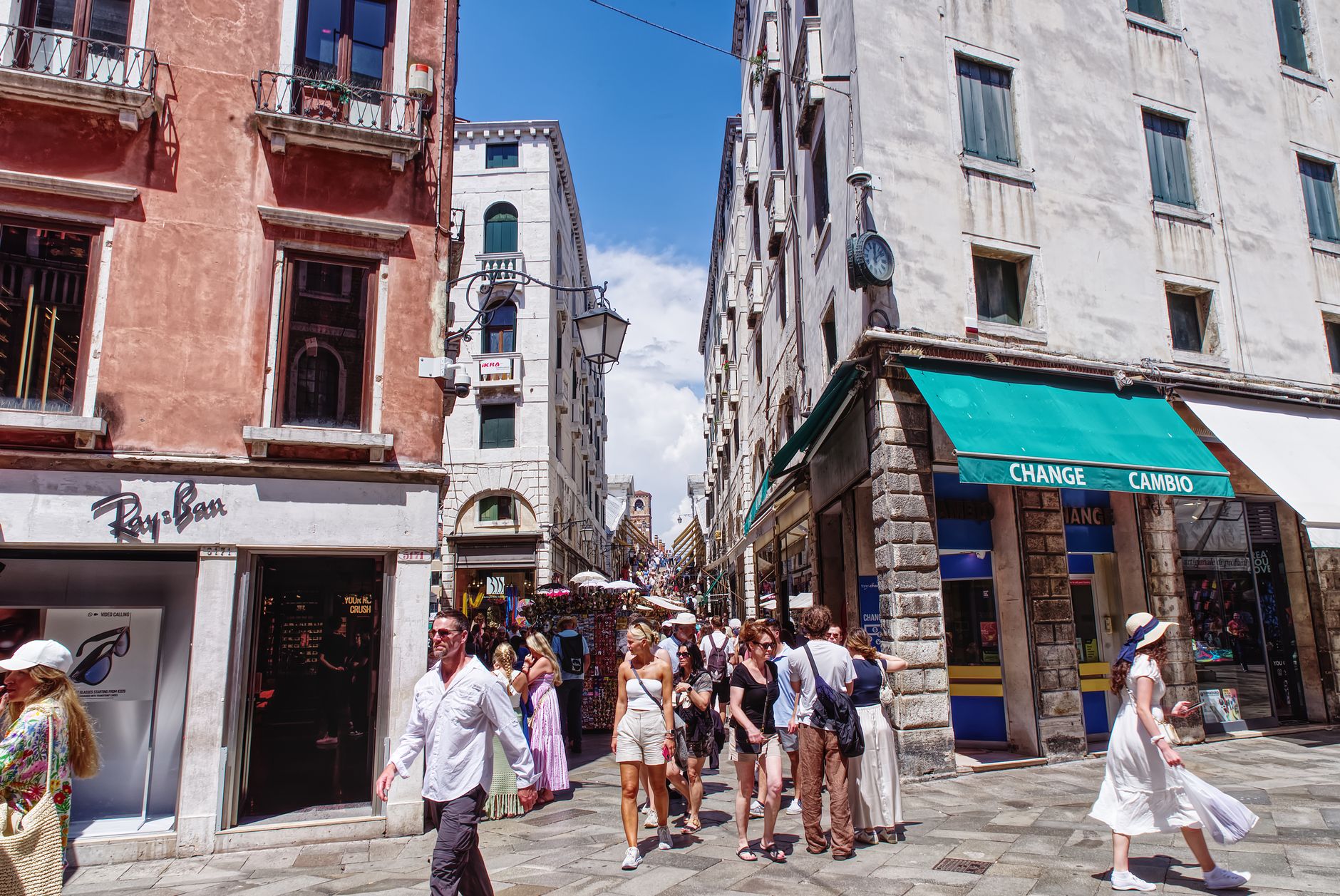
Italy heat alert is a growing concern as the country experiences a severe heatwave, with nearly all major cities, including Rome, Milan, and Naples, already on red alert. By Monday, all but two cities will be on high alert, prompting concerns for residents and tourists alike. The heat alert system in Italy is designed to warn citizens of potential health risks due to extreme temperatures.
The Italian health ministry has advised citizens to take precautions, such as staying hydrated, avoiding outdoor activities during the hottest part of the day, and wearing light, loose-fitting clothing. The ministry has also warned of the potential for heat-related illnesses, particularly for vulnerable populations such as the elderly and young children.
What is a heat alert, and how does it work?
A heat alert is a warning system used to inform citizens of potential health risks due to extreme temperatures. The system is based on a color-coded alert level, with red being the highest level of alert. The alert level is determined by the temperature and humidity levels, as well as other factors such as air quality and wind speed.
In Italy, the heat alert system is managed by the national health ministry, in collaboration with local authorities and weather services. The ministry issues alerts based on forecasts and real-time data, and the alerts are disseminated through various channels, including social media, television, and radio.
Implications of the heat alert for residents and tourists
The heat alert has significant implications for residents and tourists in Italy. For residents, the alert means taking precautions to stay safe, such as staying indoors during the hottest part of the day and avoiding strenuous activities. For tourists, the alert may mean adjusting travel plans, such as avoiding outdoor activities during the hottest part of the day or seeking shade and air-conditioning.
Some of the key precautions that residents and tourists can take to stay safe during a heat alert include:
- Staying hydrated by drinking plenty of water
- Avoiding outdoor activities during the hottest part of the day
- Wearing light, loose-fitting clothing
- Seeking shade and air-conditioning when possible
- Avoiding strenuous activities, especially during the hottest part of the day
The heat alert also has economic implications, particularly for the tourism industry. The alert may deter tourists from visiting Italy, which could have a significant impact on the country’s economy. Additionally, the alert may require businesses to take precautions, such as providing shade and air-conditioning for employees and customers.
Questions to watch
As the heat alert continues to affect Italy, there are several questions to watch, including how the alert will impact the country’s economy, particularly the tourism industry. Additionally, there are questions about the effectiveness of the heat alert system and whether it is adequate to protect citizens from the risks associated with extreme temperatures.
Conclusion
In conclusion, the Italy heat alert is a serious concern that requires attention from residents, tourists, and authorities alike. By taking precautions and staying informed, citizens can stay safe during the heatwave. The alert also highlights the need for effective heat alert systems and precautions to mitigate the risks associated with extreme temperatures.
Source: bbc.co.uk.





Be First to Comment