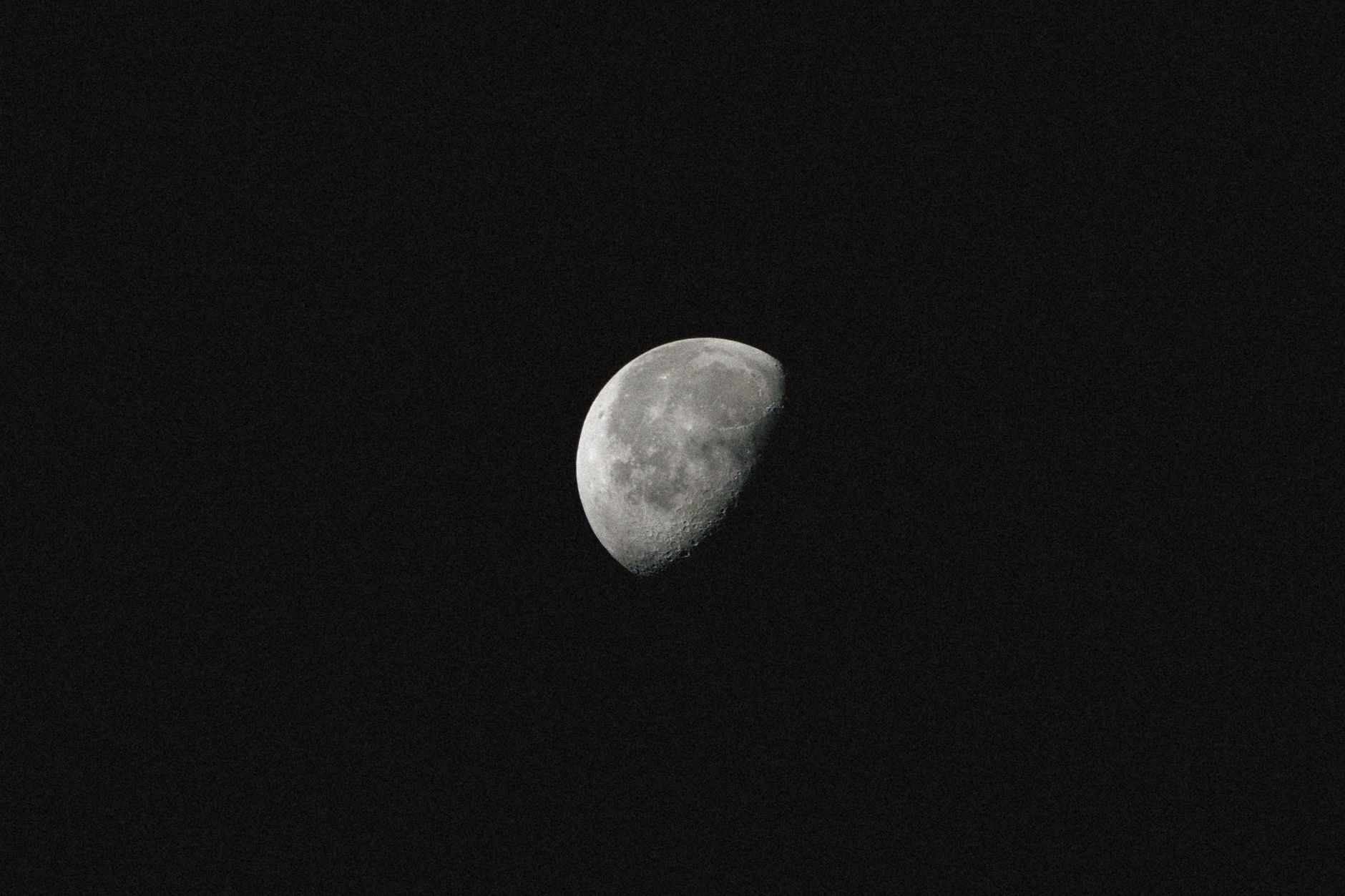
NASA’s Lunar Development and Test Facility is playing a crucial role in preparing hardware for the Moon’s surface through the Artemis program. The lunar development process involves tackling one of exploration’s biggest challenges: Moon dust. Unlike sand on Earth, lunar dust is sharp, abrasive, and clings to nearly everything, posing health risks to astronauts and damaging equipment and spacesuits.
Located within the Energy Systems Test Area at NASA’s Johnson Space Center in Houston, the facility supports the development and testing of hardware in simulated lunar conditions. Engineers evaluate systems and subsystems inside vacuum chambers using lunar regolith simulant to better understand how spacesuits, spacecraft components, and mechanisms with moving parts and joints will perform during future Artemis missions.
Lunar Development and Test Facility
The facility includes a dust containment and preparation laboratory for ambient testing, a 3-foot cube vacuum chamber, and a 15-foot thermal vacuum chamber. Inside the chamber, engineers test hardware under realistic lunar conditions using lunar regolith simulant. The chamber uses a closed-loop nitrogen system to recreate the harsh lunar environment.
Engineers are advancing techniques to extract resources from lunar regolith, which can be turned into oxygen for astronauts and liquid oxygen for rocket propellant. The spirit of exploration extends beyond the facility’s walls, with a large-scale mural depicting astronauts exploring the lunar surface beneath a view of the cosmos.
Preparing for Long-Duration Lunar Exploration
The facility helps develop and test technologies needed for long-duration lunar exploration. The lunar development process is essential for understanding and mitigating the effects of lunar dust, which could damage equipment and spacesuits while posing health risks to astronauts.
- Understanding lunar dust properties and behavior
- Developing effective dust mitigation strategies
- Testing hardware and spacesuits in simulated lunar conditions
NASA’s new 3D virtual tour of the Lunar Development and Test Facility allows anyone to explore the facility from anywhere. The tour provides a glimpse into the innovative work being done to support the Artemis program and the next generation of lunar exploration.
Implications and Future Directions
The success of the lunar development process will have significant implications for future lunar missions. As NASA continues to push the boundaries of space exploration, the importance of lunar development will only continue to grow. With the Artemis program aiming to return humans to the Moon’s surface by 2025, the work being done at the Lunar Development and Test Facility is crucial for ensuring the success of these missions.
Conclusion
In conclusion, the lunar development process is a critical component of NASA’s Artemis program. The work being done at the Lunar Development and Test Facility is essential for understanding and mitigating the effects of lunar dust, and for developing the technologies needed for long-duration lunar exploration. As we look to the future of space exploration, the importance of lunar development will only continue to grow.
Source: nasa.gov.






Be First to Comment