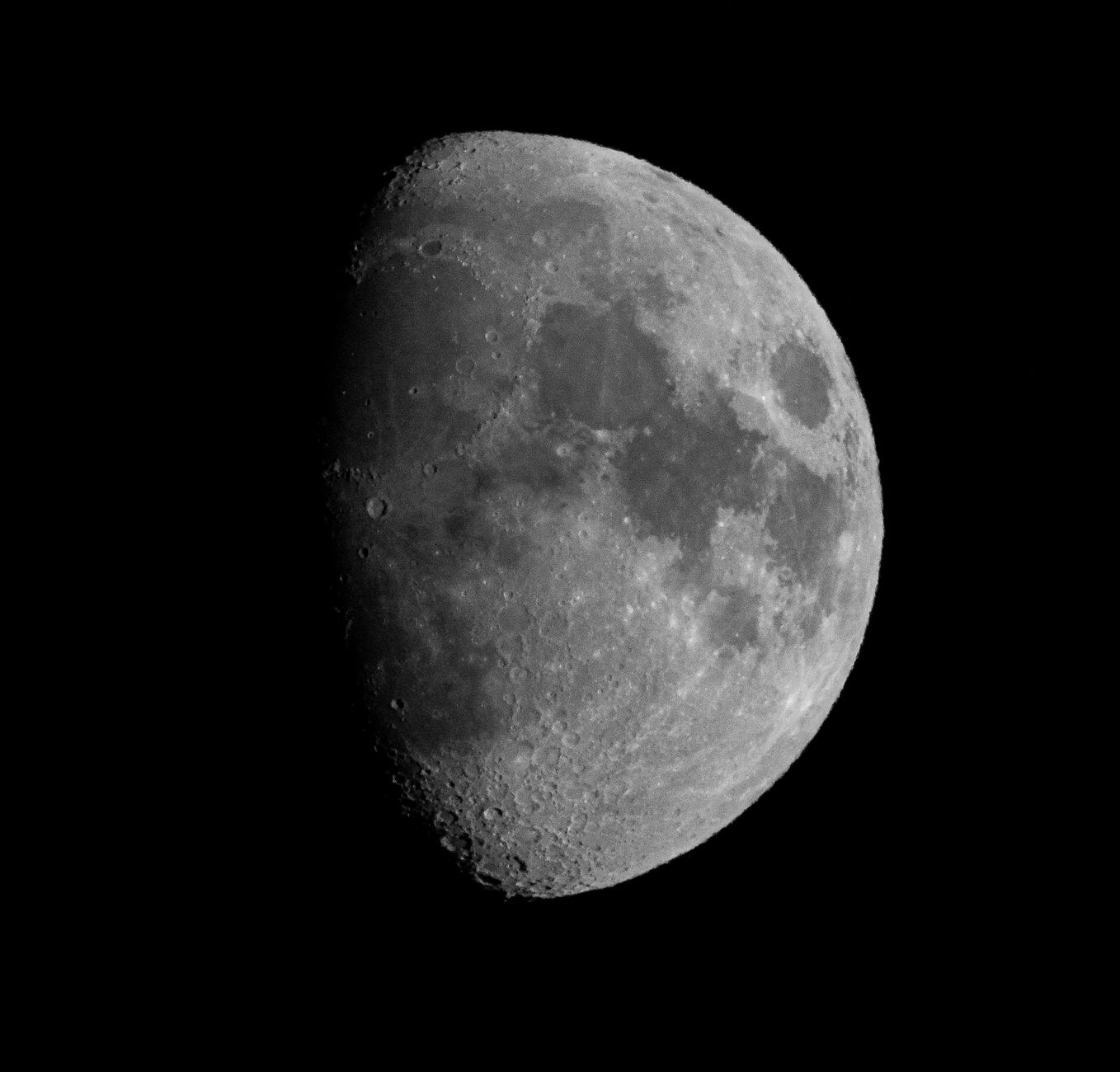
The lunar impact, expected to occur on August 5, has been tracked by NASA and SpaceX using ground-based telescopes and space-based assets. The rocket part, a used Falcon 9 upper stage from a commercial mission, has a 100% chance of hitting the Moon near the Einstein and Bell craters. This event poses no danger to Earth and will provide valuable insights into lunar geology.
NASA scientists are planning to collect lunar data from the event and refine techniques for tracking objects in space. The impact will create a crater about 60 feet wide and 12 feet deep, throwing dust and rock outward as ejecta. This is not an uncommon occurrence, as the Moon is struck by meteoroids daily.
Lunar Impact and Space Debris
Human-made object impacts are far less common but do occur. The rocket stage is expected to create a significant crater, and observing impacts like this gives scientists valuable insight into the Moon’s geology. The data collected will help refine models that guide future exploration and science missions.
The impact will not be visible to the naked eye on Earth, but NASA will attempt to observe it in real time using ground-based telescopes and space-based assets. The Meteoroid Environments Office at the agency’s Marshall Space Flight Center will use telescopes to image the impact, while NASA’s Lunar Reconnaissance Orbiter and the ShadowCam instrument aboard South Korea’s Korea Pathfinder Lunar Orbiter will look for chances to image the site before and after the impact.
Implications of the Lunar Impact
Although the impact is unplanned, disposing of upper stages on the lunar surface is a technically accepted and safe method. In some cases, it can be the only practical option for missions in low lunar orbit. Many operators choose controlled impacts because they provide predictable and trackable end of life outcomes.
- Understanding the effects of lunar impacts on the Moon’s surface
- Refining techniques for tracking objects in space
- Collecting data on the Moon’s geology and composition
- Informing future lunar missions and exploration strategies
NASA is committed to debris mitigation and demonstrating responsible disposal practices that safeguard Earth, its orbital environment, and other planetary bodies. The lunar impact is an opportunity for scientists to learn more about the Moon and its surface, and to refine their understanding of the lunar environment.
Conclusion and Future Directions
The lunar impact is a significant event that will provide valuable insights into the Moon’s geology and composition. As NASA and other space agencies continue to explore the Moon and beyond, understanding the effects of lunar impacts will be crucial for informing future missions and exploration strategies. The data collected from this event will help scientists to better understand the lunar environment and to develop more effective strategies for mitigating the risks associated with space debris.
Source: nasa.gov.






Be First to Comment