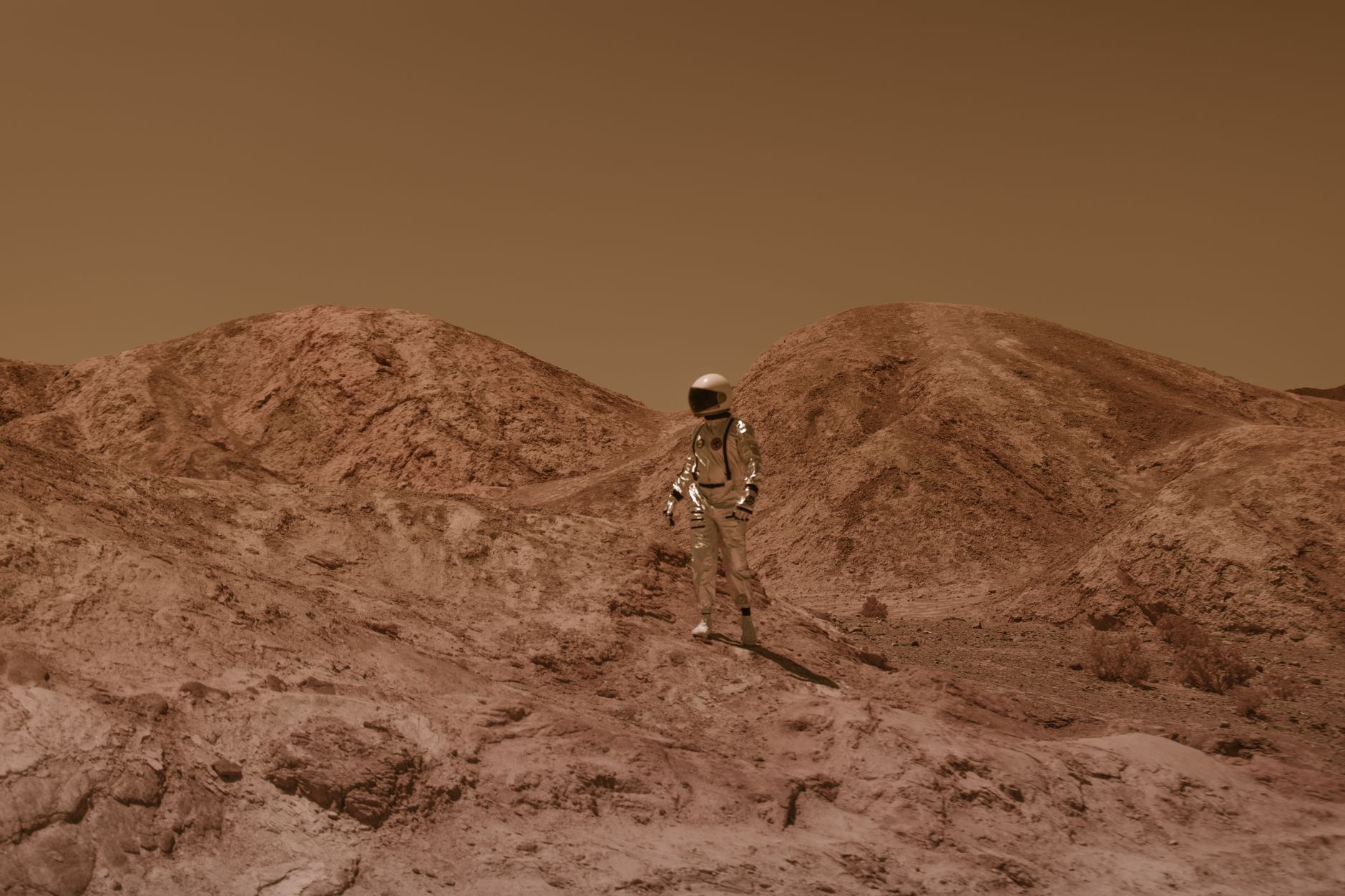
NASA’s Curiosity rover has entered a Martian valley covered by an astonishing sea of tiny polygon-shaped fractures, known as a mars landscape. The honeycomb patterns, each only a few inches wide, stretch across the landscape and even wrap around a nearby 20-foot-tall butte. This remarkable discovery has sparked interest among scientists and space enthusiasts alike.
The mars landscape is a unique feature of the Martian geology, shaped by the planet’s harsh environment and geological processes. The Curiosity rover has been exploring the Martian surface since 2012, providing valuable insights into the planet’s history and evolution.
Mars Landscape Formation
The formation of the mars landscape is still not fully understood, but scientists believe that it may be the result of a combination of factors, including tectonic activity, volcanic eruptions, and erosion. The honeycomb patterns may have been created by the contraction and expansion of the Martian soil as it freezes and thaws.
The study of the mars landscape is important for understanding the Martian geology and the potential for life on the planet. The Curiosity rover’s discovery has opened up new avenues for research and exploration, and scientists are eager to learn more about this fascinating feature of the Martian surface.
Implications for Future Missions
The discovery of the mars landscape has significant implications for future missions to Mars. The Curiosity rover’s findings will help scientists to better understand the Martian environment and to plan future missions that can explore the planet in more detail. The mars landscape may also provide valuable insights into the potential for life on Mars, and the discovery of biosignatures in the Martian soil.
- Understanding the Martian geology and the potential for life on the planet
- Planning future missions to explore the Martian surface in more detail
- Searching for biosignatures in the Martian soil
The mars landscape is a fascinating feature of the Martian surface, and its discovery has sparked a new wave of interest in the planet and its potential for life. As scientists continue to study the Martian geology and the potential for life on the planet, we can expect to learn more about the mars landscape and its significance in the coming years.
Conclusion and Future Research
In conclusion, the discovery of the mars landscape is an exciting development in the field of Martian geology and the search for life on the planet. The Curiosity rover’s findings have opened up new avenues for research and exploration, and scientists are eager to learn more about this fascinating feature of the Martian surface. As we look to the future, we can expect to see more research and exploration of the mars landscape, and a deeper understanding of the Martian geology and the potential for life on the planet.
Source: sciencedaily.com.






Be First to Comment