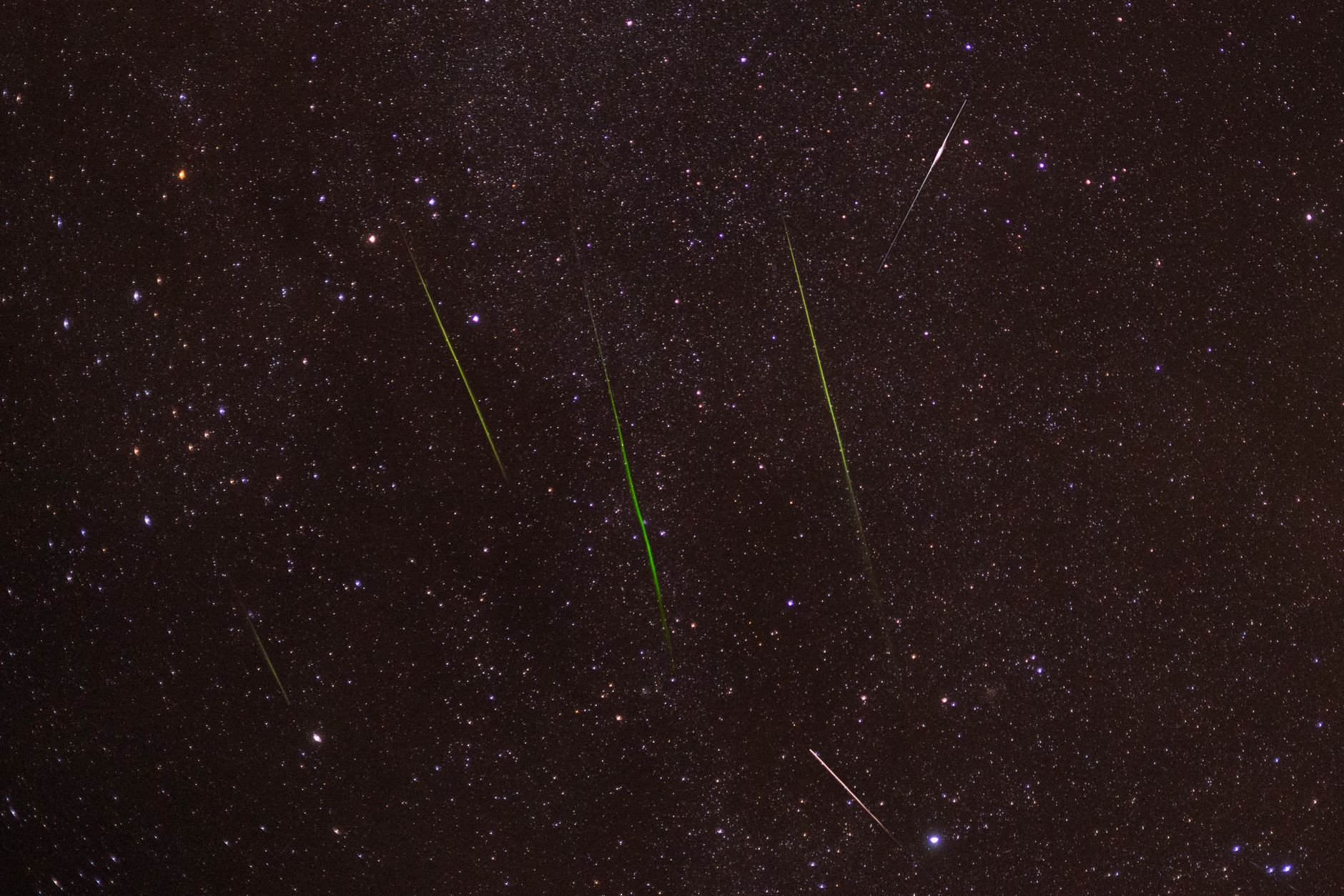
A rare meteorite origins discovery has shed new light on the possibility of life on Earth. The meteorite, which crashed through a New Jersey roof, contains evidence of ancient salty fluids, organic compounds, and amino acids from a primitive asteroid. This pristine chemistry could offer new clues about how space rocks helped supply early Earth with some of the ingredients needed for life.
The study of meteorites has long been a fascinating field, with scientists eager to uncover the secrets of these ancient space rocks. By analyzing the composition of meteorites, researchers can gain a better understanding of the early solar system and the potential for life beyond Earth.
Meteorite Origins and Life on Earth
The discovery of this rare meteorite has significant implications for our understanding of life on Earth. The presence of amino acids, the building blocks of life, suggests that the meteorite may have played a role in delivering these essential compounds to our planet. This theory is supported by the fact that many meteorites contain a mix of organic and inorganic compounds, which are thought to have been formed through chemical reactions that occurred in the early solar system.
The study of meteorites has also revealed that these space rocks can provide valuable insights into the history of the solar system. By analyzing the composition of meteorites, scientists can learn about the formation and evolution of the planets, as well as the potential for life on other celestial bodies.
The Composition of Meteorites
Meteorites are typically composed of a mix of metals and silicates, with some containing significant amounts of organic compounds. The presence of these compounds suggests that meteorites may have played a role in delivering the raw materials needed for life to emerge on Earth. Some of the key components of meteorites include:
- Amino acids, the building blocks of life
- Organic compounds, which can provide energy and nutrients for living organisms
- Salty fluids, which can support chemical reactions and provide a habitat for life
These components are thought to have been formed through chemical reactions that occurred in the early solar system, and may have been delivered to Earth on meteorites. The study of meteorites has also revealed that these space rocks can provide valuable insights into the history of the solar system, including the formation and evolution of the planets.
Implications and Future Research
The discovery of this rare meteorite has significant implications for our understanding of life on Earth and the potential for life beyond our planet. Further research is needed to fully understand the composition and significance of this meteorite, as well as the potential for other meteorites to contain similar clues to life’s origins. Some of the key questions that remain to be answered include:
How common are meteorites that contain amino acids and other organic compounds? What role did meteorites play in delivering the raw materials needed for life to emerge on Earth? And what can the study of meteorites tell us about the potential for life on other celestial bodies?
Conclusion
In conclusion, the discovery of this rare meteorite has shed new light on the possibility of life on Earth and the potential for life beyond our planet. The study of meteorites has revealed that these space rocks can provide valuable insights into the history of the solar system, as well as the potential for life on other celestial bodies. As researchers continue to study meteorites and their composition, we may uncover even more clues to life’s origins and the secrets of the universe.
Source: sciencedaily.com.






Be First to Comment