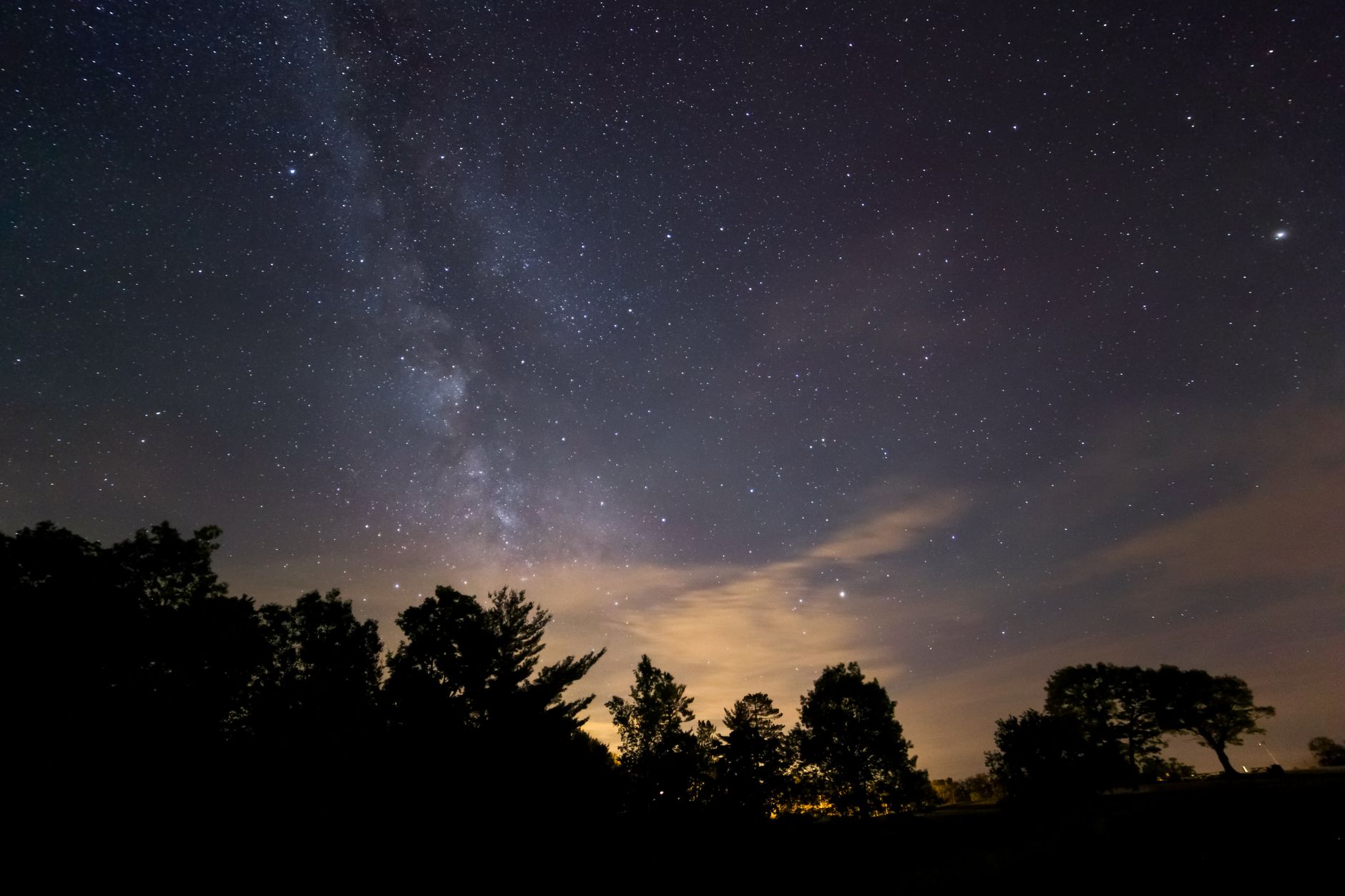
The milky way, our home galaxy, has been the subject of human fascination for centuries. Recently, the European Space Agency’s (ESA) Euclid mission captured a breathtaking image of the milky way’s heart, providing a unique glimpse into the galaxy’s central region. This image, released on June 24, 2026, is a significant milestone in the study of our galaxy, and it has important implications for future research.
The Euclid mission is an international collaboration between ESA and NASA, with the primary goal of understanding the nature of dark matter and dark energy. By studying the distribution of galaxies and galaxy clusters, Euclid aims to shed light on the mysteries of the universe’s evolution. The recent image of the milky way’s heart is a testament to the mission’s capabilities and provides a valuable dataset for astronomers to analyze.
The Milky Way’s Heart: A Region of Interest
The milky way’s heart is a complex and dynamic region, filled with stars, gas, and dust. The recent image captured by Euclid shows a stunning array of stars and star clusters, as well as a vast network of filaments and bubbles. This region is of great interest to astronomers, as it provides a unique window into the galaxy’s history and evolution.
One of the key features of the milky way’s heart is the presence of a supermassive black hole, located at the galaxy’s center. This black hole has a mass of approximately four million times that of the sun and plays a crucial role in shaping the galaxy’s structure and evolution. The recent image captured by Euclid provides a glimpse into the black hole’s surroundings, showing a complex network of stars and gas.
Implications for Future Research
The recent image of the milky way’s heart has significant implications for future research. The data collected by Euclid will be used to study the galaxy’s structure and evolution, as well as the properties of dark matter and dark energy. The image will also provide a valuable dataset for astronomers to analyze, allowing them to gain a deeper understanding of the galaxy’s central region.
Some of the key questions that astronomers hope to answer with the help of Euclid’s data include:
- What is the nature of dark matter and dark energy?
- How did the milky way form and evolve over time?
- What is the role of the supermassive black hole in shaping the galaxy’s structure and evolution?
These questions are fundamental to our understanding of the universe, and the recent image captured by Euclid provides a significant step forward in addressing them.
Conclusion and Future Prospects
In conclusion, the recent image of the milky way’s heart captured by Euclid is a significant milestone in the study of our galaxy. The data collected by Euclid will provide a valuable dataset for astronomers to analyze, allowing them to gain a deeper understanding of the galaxy’s central region. As we look to the future, it is clear that the study of the milky way will continue to be an exciting and dynamic field, with new discoveries and insights waiting to be uncovered.
Euclid and the Roman Space Telescope: A New Era of Galactic Research
The recent image of the milky way’s heart is just the beginning of a new era of galactic research. With the launch of NASA’s Roman Space Telescope later this summer, astronomers will have a powerful new tool to study the galaxy in unprecedented detail. The combination of Euclid’s data and the Roman Space Telescope’s capabilities will provide a unique opportunity for scientists to study the milky way in a way that was previously impossible.
The Roman Space Telescope is designed to study the galaxy in multiple wavelengths, from visible light to infrared. This will allow astronomers to gain a more complete understanding of the galaxy’s structure and evolution, as well as the properties of dark matter and dark energy. The telescope will also provide a unique opportunity for scientists to study the galaxy’s central region, including the supermassive black hole and its surroundings.
As we look to the future, it is clear that the study of the milky way will continue to be an exciting and dynamic field. With the help of Euclid and the Roman Space Telescope, astronomers will be able to gain a deeper understanding of our galaxy and its place in the universe. The recent image of the milky way’s heart is just the beginning of a new era of galactic research, and it is an exciting time to be an astronomer.
Future Research Directions
As we look to the future, there are several research directions that astronomers will be exploring. One of the key areas of research will be the study of dark matter and dark energy. These mysterious components make up approximately 95% of the universe, but very little is known about them. The recent image of the milky way’s heart provides a unique opportunity for scientists to study these components in detail.
Another area of research will be the study of the galaxy’s central region. The supermassive black hole and its surroundings are of great interest to astronomers, and the recent image captured by Euclid provides a glimpse into this complex and dynamic region. The Roman Space Telescope will provide a unique opportunity for scientists to study this region in unprecedented detail.
In conclusion, the recent image of the milky way’s heart is a significant milestone in the study of our galaxy. The data collected by Euclid will provide a valuable dataset for astronomers to analyze, allowing them to gain a deeper understanding of the galaxy’s central region. As we look to the future, it is clear that the study of the milky way will continue to be an exciting and dynamic field, with new discoveries and insights waiting to be uncovered.
Final Thoughts
The study of the milky way is a complex and dynamic field, with new discoveries and insights waiting to be uncovered. The recent image of the milky way’s heart captured by Euclid is just the beginning of a new era of galactic research. With the help of the Roman Space Telescope, astronomers will be able to gain a deeper understanding of our galaxy and its place in the universe. As we look to the future, it is clear that the study of the milky way will continue to be an exciting and dynamic field, with new discoveries and insights waiting to be uncovered.
Source: nasa.gov.






Be First to Comment