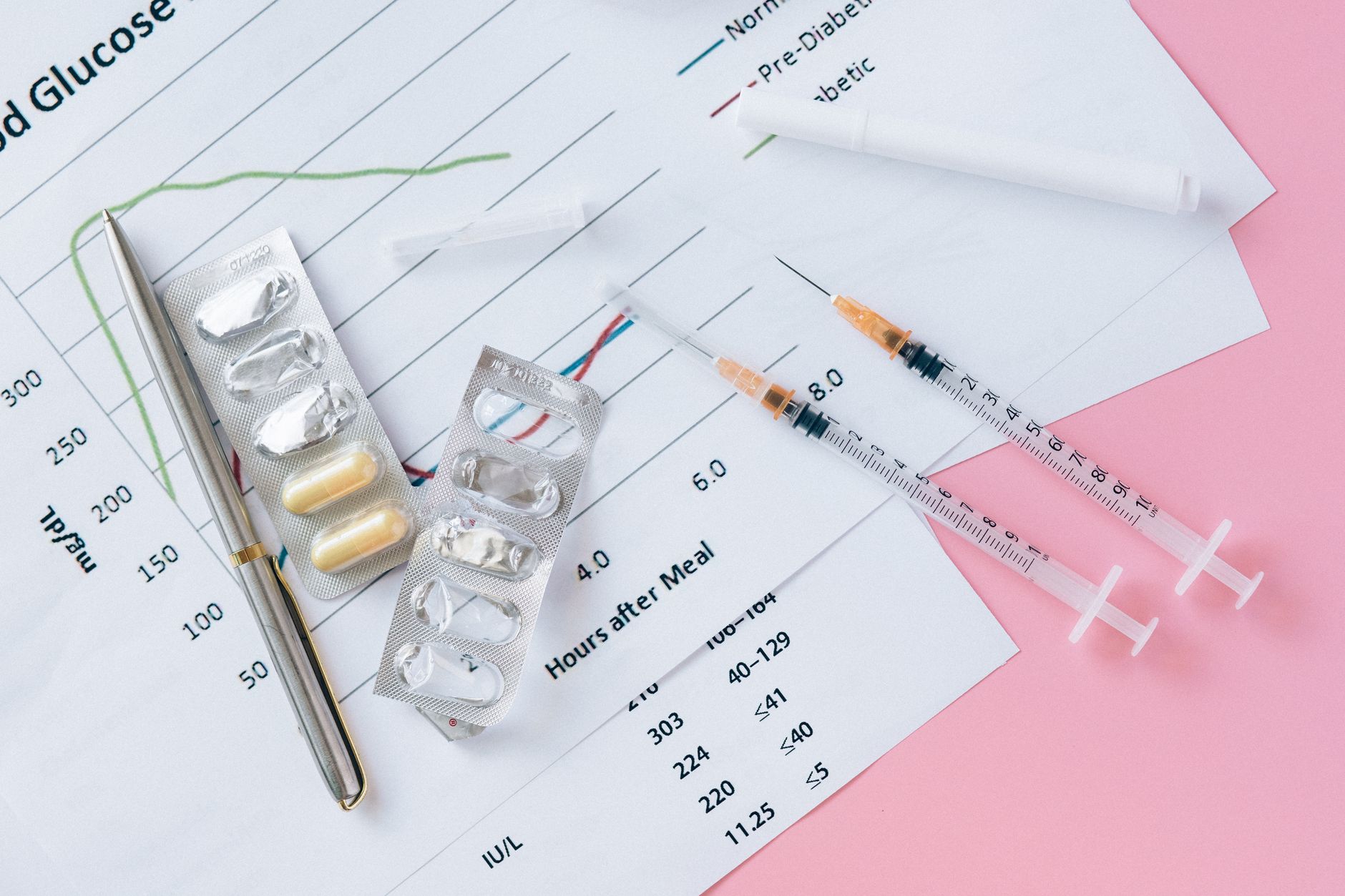
Misfolded insulin is a critical issue in the development of diabetes, as it can lead to the buildup of damaged proteins in insulin-producing cells. When these cells are unable to produce insulin properly, it can result in high blood sugar levels and a range of other health problems. Researchers have recently made a groundbreaking discovery about the role of helper proteins in keeping insulin production on track.
Insulin is a hormone that plays a crucial role in regulating blood sugar levels. It is produced by the pancreas and helps to facilitate the uptake of glucose by cells throughout the body. However, when insulin is misfolded, it can become damaged and unable to function properly. This can lead to a range of problems, including diabetes.
Misfolded Insulin and Diabetes
The relationship between misfolded insulin and diabetes is complex and multifaceted. When insulin-producing cells are unable to produce insulin properly, it can result in high blood sugar levels and a range of other health problems. Researchers have found that misfolded insulin can build up in these cells and lead to their destruction. This can result in a range of problems, including diabetes and other metabolic disorders.
Researchers have recently made a groundbreaking discovery about the role of helper proteins in keeping insulin production on track. These proteins play a critical role in helping insulin-producing cells to function properly and produce insulin. When one key partner is missing, damaged proteins can build up and the cells can make less insulin. This can result in a range of problems, including diabetes.
Helper Proteins and Insulin Production
Helper proteins are a team of molecules that work together to help insulin-producing cells function properly. They play a critical role in facilitating the production of insulin and helping to regulate blood sugar levels. When these proteins are functioning properly, they can help to prevent the buildup of damaged proteins in insulin-producing cells.
- Helper proteins facilitate the production of insulin
- They help to regulate blood sugar levels
- They can prevent the buildup of damaged proteins in insulin-producing cells
Strengthening the system of helper proteins could offer a new way to protect the pancreas as diabetes progresses. Researchers are currently exploring new ways to support the function of these proteins and prevent the buildup of damaged proteins in insulin-producing cells.
Implications and Future Directions
The discovery of the role of helper proteins in keeping insulin production on track has significant implications for the treatment and prevention of diabetes. By supporting the function of these proteins, researchers may be able to develop new therapies that can help to prevent the buildup of damaged proteins in insulin-producing cells. This could result in a range of benefits, including improved blood sugar control and a reduced risk of diabetes-related complications.
Conclusion
In conclusion, misfolded insulin is a critical issue in the development of diabetes. The discovery of the role of helper proteins in keeping insulin production on track has significant implications for the treatment and prevention of this disease. By supporting the function of these proteins, researchers may be able to develop new therapies that can help to prevent the buildup of damaged proteins in insulin-producing cells and improve blood sugar control.
Source: sciencedaily.com.





Be First to Comment