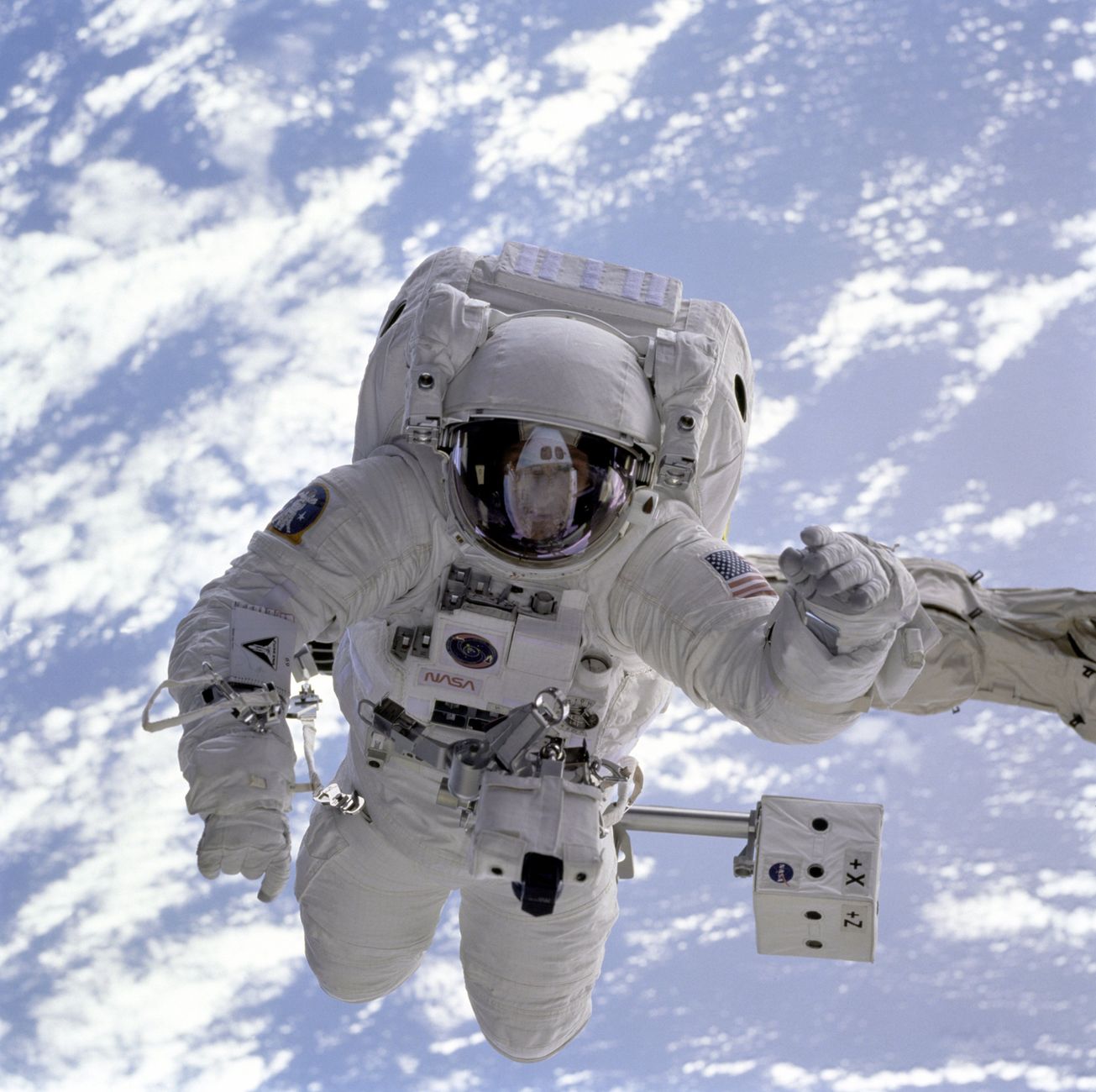
NASA astronaut Chris Williams has returned to Earth after spending 8 months in space, marking a significant milestone in his career as a nasa astronaut. Williams was part of the Expedition 74 crew, which included Roscosmos cosmonauts Sergey Kud-Sverchkov and Sergei Mikaev. During his time on the International Space Station, Williams supported a wide range of scientific investigations and technology demonstrations.
One of the key aspects of Williams’ mission was his participation in two spacewalks. These spacewalks were crucial in preparing the space station for power system upgrades and replacing a faulty joint on the Canadarm2 robotic arm. The successful completion of these spacewalks highlights Williams’ skills and expertise as a nasa astronaut.
nasa astronaut Training and Preparation
Before embarking on his mission, Williams underwent rigorous training to prepare himself for the challenges of space travel. This training included learning about the systems and operations of the International Space Station, as well as developing the skills necessary for spacewalks. The training program for nasa astronauts is highly competitive and demanding, requiring a strong foundation in science, technology, engineering, and mathematics (STEM) fields.
In addition to his technical training, Williams also had to prepare himself physically and mentally for the mission. This included maintaining a high level of physical fitness, as well as developing strategies for managing stress and fatigue. The physical and mental demands of space travel are significant, and nasa astronauts must be able to perform at a high level in a challenging and dynamic environment.
Scientific Investigations and Technology Demonstrations
During his time on the International Space Station, Williams supported a wide range of scientific investigations and technology demonstrations. These investigations and demonstrations were designed to advance our understanding of space and the effects of microgravity on living organisms and materials. Some of the key areas of research included:
- Space biology: studying the effects of microgravity on living organisms and developing new technologies for growing plants and animals in space
- Space physics: investigating the properties of space and the behavior of matter in microgravity
- Space technology: developing new technologies for space exploration, including advanced propulsion systems and materials
These investigations and demonstrations are critical to advancing our understanding of space and developing the technologies necessary for future space missions. The work of nasa astronauts like Williams is essential to the success of these missions and the continued exploration of space.
Implications and Future Directions
The successful completion of Williams’ mission highlights the importance of continued investment in space exploration and the development of new technologies. As we look to the future, it is clear that space travel will play an increasingly important role in advancing our understanding of the universe and improving life on Earth. The work of nasa astronauts like Williams will be critical to the success of these efforts, and their contributions will have a lasting impact on the field of space exploration.
Conclusion and Next Steps
In conclusion, the return of NASA astronaut Chris Williams to Earth marks a significant milestone in his career and highlights the importance of continued investment in space exploration. As we look to the future, it is clear that the work of nasa astronauts like Williams will be critical to the success of future space missions. With their skills, expertise, and dedication, we can continue to push the boundaries of space exploration and advance our understanding of the universe.
Source: nasa.gov.





Be First to Comment