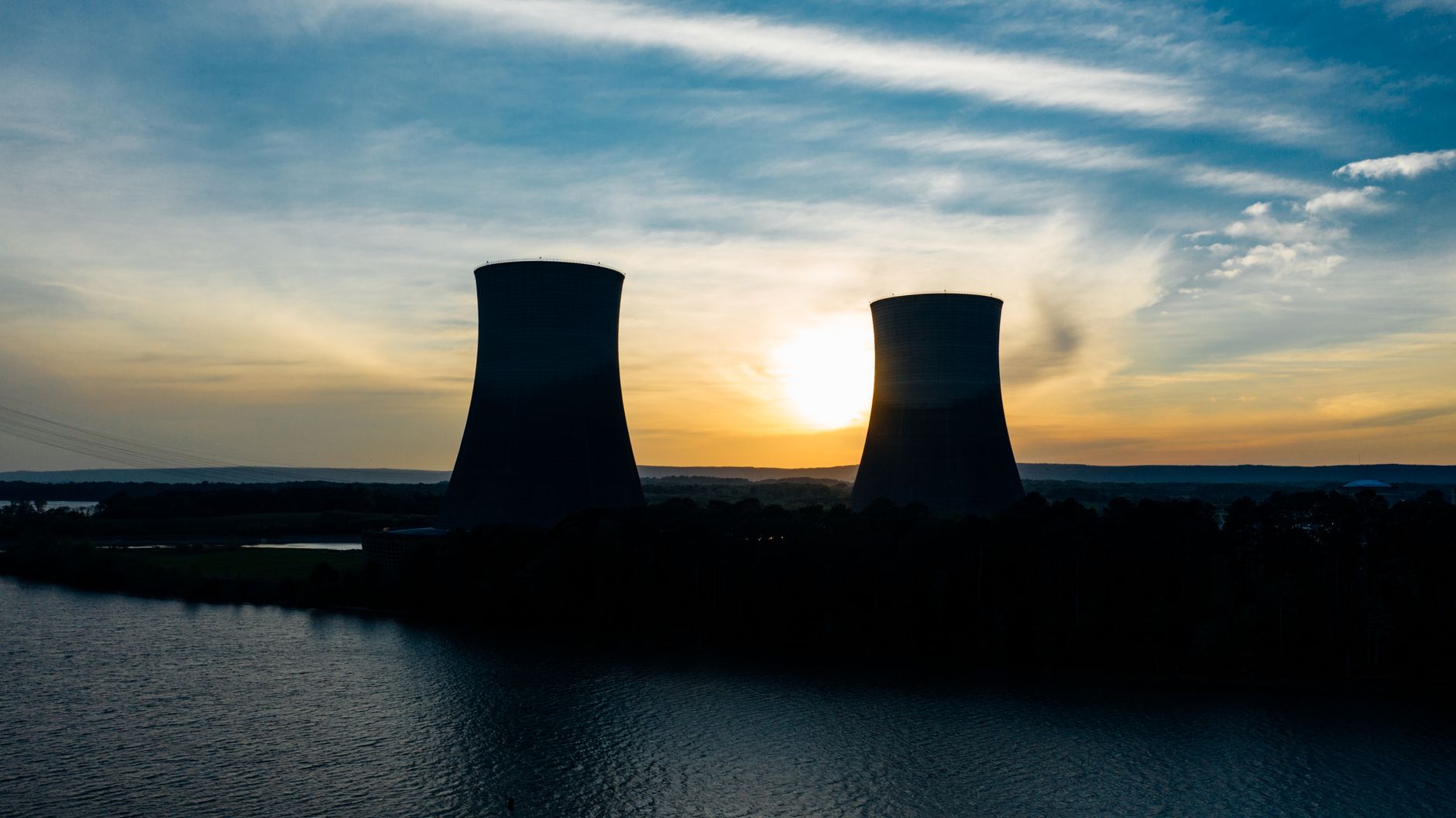
The nuclear plant shutdown in Romania has sparked a 10-day crisis, with the Cernavodă plant, which produces 20% of the country’s electricity, being shut down due to a huge drop in the Danube River level. This shutdown has significant implications for the country’s energy production and has raised concerns about the impact of climate change on nuclear power plants. The plant is not expected to be restarted within the next 10 days, leaving a significant gap in the country’s energy supply.
The Cernavodă plant is Romania’s only nuclear power plant, and its shutdown has highlighted the country’s reliance on this source of energy. The plant’s closure has also raised questions about the country’s energy security and its ability to meet its energy demands during periods of high demand.
Nuclear Plant Shutdown: Causes and Implications
The shutdown of the Cernavodă plant is attributed to the low water levels in the Danube River, which is used to cool the plant’s reactors. The low water levels have made it difficult for the plant to operate safely, and the shutdown was necessary to prevent any potential accidents. The shutdown has significant implications for the country’s energy production and has raised concerns about the impact of climate change on nuclear power plants.
The nuclear plant shutdown has also highlighted the need for Romania to diversify its energy sources and reduce its reliance on nuclear power. The country has set ambitious targets to increase its use of renewable energy sources, such as wind and solar power, and to reduce its greenhouse gas emissions.
Romania’s Energy Crisis
Romania’s energy crisis is not limited to the nuclear plant shutdown. The country has been facing significant challenges in its energy sector, including a lack of investment in new energy infrastructure and a reliance on imported energy sources. The country’s energy security is a significant concern, and the nuclear plant shutdown has highlighted the need for urgent action to address these challenges.
The Romanian government has announced plans to invest in new energy infrastructure, including renewable energy sources and energy efficiency measures. The government has also announced plans to reduce the country’s reliance on imported energy sources and to increase its use of domestic energy sources.
Impact on the Environment
The nuclear plant shutdown has also raised concerns about the impact on the environment. The low water levels in the Danube River have had a significant impact on the local ecosystem, and the shutdown has highlighted the need for urgent action to address the environmental challenges facing the country.
- The shutdown has reduced the country’s greenhouse gas emissions
- The shutdown has highlighted the need for renewable energy sources
- The shutdown has raised concerns about the impact of climate change on nuclear power plants
The nuclear plant shutdown in Romania has significant implications for the country’s energy production and has raised concerns about the impact of climate change on nuclear power plants. The shutdown has highlighted the need for Romania to diversify its energy sources and reduce its reliance on nuclear power.
Conclusion
In conclusion, the nuclear plant shutdown in Romania has sparked a 10-day crisis, with significant implications for the country’s energy production and energy security. The shutdown has highlighted the need for urgent action to address the challenges facing the country’s energy sector and to reduce its reliance on nuclear power. The Romanian government has announced plans to invest in new energy infrastructure and to reduce the country’s reliance on imported energy sources, but more needs to be done to address the environmental challenges facing the country.
Source: bbc.co.uk.






Be First to Comment