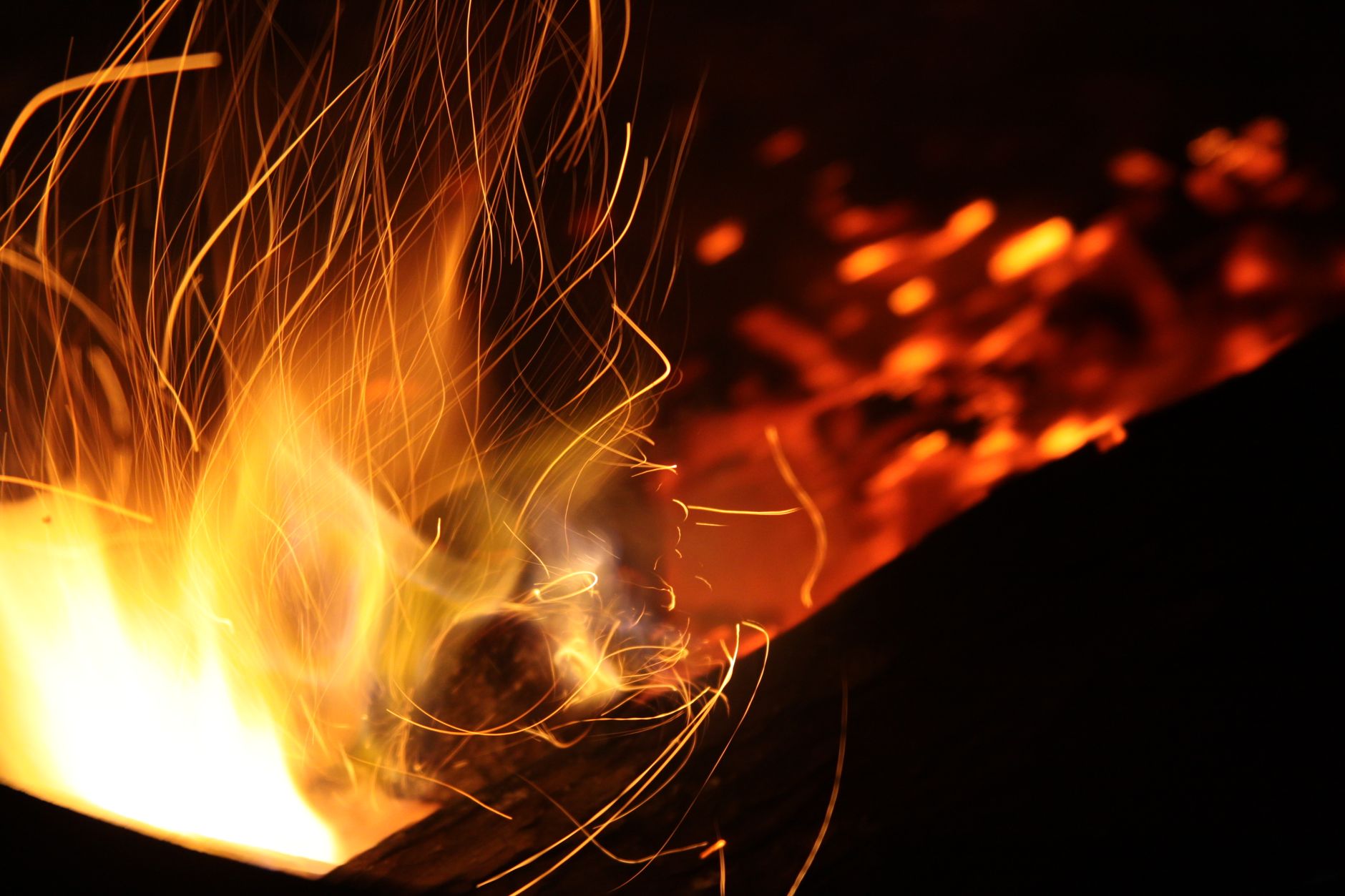
The rare habitat blaze that recently occurred in a sensitive ecosystem has sparked concern for wildlife, including nesting birds and reptiles. According to the area’s National Trust countryside manager, the fire is likely to have had a devastating impact on the local wildlife. The blaze is believed to have started from a camp fire, which is a stark reminder of the importance of responsible outdoor practices.
The area affected by the fire is home to a diverse range of species, including nesting birds, reptiles, small mammals, and amphibians. The fire would have destroyed the habitats of these species, leaving them without food, shelter, or breeding grounds. The full extent of the damage is still being assessed, but it is clear that the impact will be significant.
Rare Habitat Blaze: A Growing Concern
Rare habitat blazes like this one are a growing concern for conservationists and wildlife experts. These fires can have a devastating impact on sensitive ecosystems, causing long-term damage to the environment and the species that inhabit it. The fact that this fire is believed to have started from a camp fire highlights the importance of responsible outdoor practices and the need for greater awareness about the risks of wildfires.
There are several factors that contribute to the risk of rare habitat blazes, including climate change, human activity, and the presence of flammable materials. Climate change is altering the environment, making it more prone to wildfires. Human activity, such as camping and hiking, can also increase the risk of fires, especially if proper precautions are not taken.
Prevention and Mitigation Strategies
To prevent and mitigate the impact of rare habitat blazes, it is essential to take a multi-faceted approach. This includes educating the public about the risks of wildfires and the importance of responsible outdoor practices. It also involves implementing measures to reduce the risk of fires, such as creating fire breaks and conducting controlled burns.
- Implementing strict camping and hiking regulations
- Conducting regular patrols to monitor for signs of fires
- Creating fire breaks to contain fires if they do occur
- Educating the public about the risks of wildfires and the importance of responsible outdoor practices
In addition to these measures, it is also essential to support conservation efforts and protect sensitive ecosystems from human activity. This can involve establishing protected areas, such as national parks and wildlife reserves, and implementing measures to reduce the impact of human activity on the environment.
The Importance of Conservation Efforts
Conservation efforts are crucial in protecting sensitive ecosystems and preventing rare habitat blazes. By supporting conservation efforts, we can help to reduce the risk of fires and protect the environment and the species that inhabit it. This includes supporting organizations that work to protect and preserve sensitive ecosystems, as well as making lifestyle changes to reduce our impact on the environment.
Conclusion
In conclusion, the rare habitat blaze that recently occurred is a stark reminder of the importance of responsible outdoor practices and the need for greater awareness about the risks of wildfires. By taking a multi-faceted approach to prevention and mitigation, and supporting conservation efforts, we can help to reduce the risk of rare habitat blazes and protect sensitive ecosystems for future generations.
Source: bbc.co.uk.





Be First to Comment