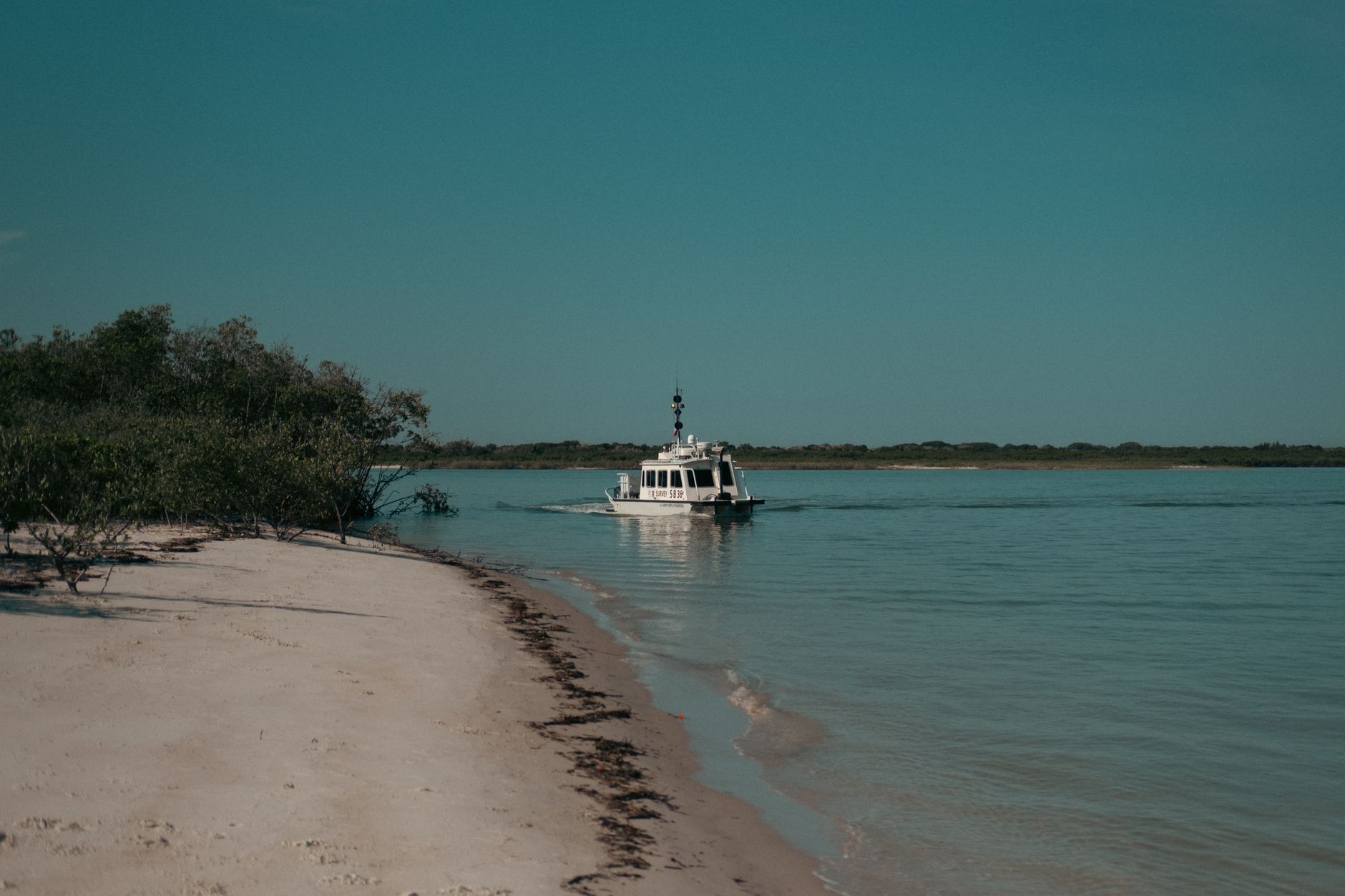
Roebuck Bay, located in the Kimberley region of Western Australia, is a remarkable ecosystem with a unique feature – its impressive 9m tidal range. This natural phenomenon makes the bay a fascinating place, with diverse marine life and a key stop for migratory birds. The tidal range at Roebuck Bay is mostly a consequence of northwestern Australia’s unusually wide, shallow continental shelf, which helps amplify tides as they approach the coast.
The bay’s dramatic tidal and seasonal changes are striking from above, and they also support a bounty of life on the ground. The mangroves serve as nurseries for crustaceans and fish, and the mudflats teem with dozens of types of invertebrates, including snails, worms, crabs, clams, and cockles.
Roebuck Bay’s Tidal Range
The bay’s tidal range can reach a remarkable 9 meters, which is significantly higher than many parts of Australia. This unique feature is due to the bay’s location on the northwestern coast of Australia, where the continental shelf is particularly wide and shallow. As a result, the tides are amplified as they approach the coast, creating an impressive range of 9 meters.
The high tides at Roebuck Bay leave an unusually strong fingerprint on the landscape. The bay’s shoreline is characterized by expansive mudflats, flood broad mangrove forests and salt marshes, and feed branching networks of tidal drainage channels. These channels, partially obscured by thick vegetation, give the bay its feathered appearance.
Marine Life and Migratory Birds
Roebuck Bay is a haven for marine life, with a diverse range of species calling the bay home. The mangroves serve as nurseries for crustaceans and fish, and the mudflats are home to dozens of types of invertebrates, including snails, worms, crabs, clams, and cockles. The bay is also a key stop for migratory birds, with hundreds of thousands of birds, including plovers, godwits, and knots, visiting the bay each year.
- Snails and worms are abundant in the mudflats, with some areas reaching densities of up to 2,500 per square meter.
- The bay’s mangrove forests are dynamic, with analysis of decades of Landsat observations showing them expanding westward by nearly 2 meters per year.
- The tidal creeks in the bay are evenly spaced, with the consistent spacing likely influenced by the regular spacing of linear dunes in the broader region.
Seasonal Changes and Monsoonal Rains
The landscape around Roebuck Bay is transformed by the monsoonal rains, which typically fall between December and March. The rains bring lush grasslands and seasonal wetlands, which provide a habitat for a range of species. As the rains fade in May and June, the landscape turns shades of gold and brown, with the vegetation dying back.
Conclusion
Roebuck Bay is a unique and fascinating ecosystem, with its impressive 9m tidal range and diverse marine life making it a key stop for migratory birds. The bay’s dramatic tidal and seasonal changes are striking from above, and they also support a bounty of life on the ground. As we continue to learn more about this remarkable ecosystem, we are reminded of the importance of preserving and protecting our natural environments for future generations.
Source: science.nasa.gov.





Be First to Comment