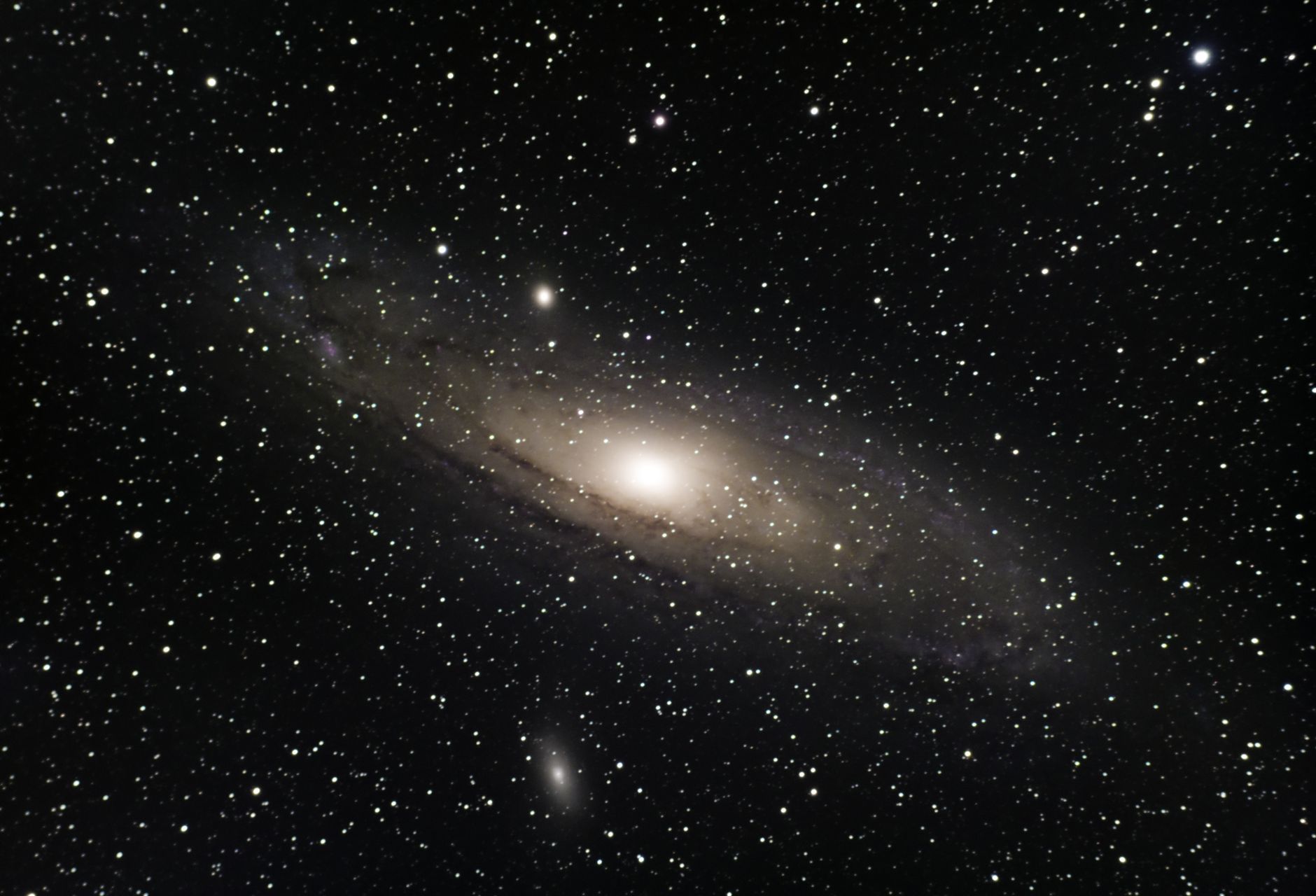
The Rubin cosmos field is a breathtaking sight, with over half a million galaxies visible in a single image. This vast expanse of space is several times larger than the full moon and has been observed by some of the most powerful telescopes in the world, including the Hubble and Webb telescopes. The image, taken by the NSF-DOE Vera C. Rubin Observatory in Chile, offers a relatively unimpeded view of other galaxies outside the Milky Way, thanks to the relatively few bright stars from our own galaxy in the field of view.
The variety of galaxy shapes and sizes is astonishing, with some galaxies so far away that their light has traveled for billions of years before reaching Earth. The Rubin Observatory will return to the COSMOS field every couple of days as part of its ten-year Legacy Survey of Space and Time, allowing for a dynamic view of the COSMOS field and how the sky changes over time.
Rubin Cosmos Field: A Treasure Trove of Galactic Data
The Rubin cosmos field is a treasure trove of galactic data, with each galaxy providing valuable insights into the formation and evolution of the universe. By studying the properties of these galaxies, scientists can gain a better understanding of the fundamental laws of physics and the behavior of matter and energy on large scales.
The Legacy Survey of Space and Time will allow scientists to study the COSMOS field in unprecedented detail, with the ability to detect subtle changes in the brightness and position of galaxies over time. This will enable researchers to study the properties of dark matter and dark energy, which are thought to make up approximately 95% of the universe’s mass-energy budget.
Key Features of the Rubin Cosmos Field
- Over half a million galaxies in a single image
- Galaxies are several times larger than the full moon
- Relatively few bright stars from the Milky Way in the field of view
- Galaxies are at varying distances, with some light traveling for billions of years
- Part of the ten-year Legacy Survey of Space and Time
The Rubin cosmos field is an exciting area of research, with the potential to reveal new insights into the nature of the universe. As scientists continue to study this vast expanse of space, they may uncover new and unexpected phenomena that challenge our current understanding of the cosmos.
Implications of the Rubin Cosmos Field
The implications of the Rubin cosmos field are far-reaching, with the potential to revolutionize our understanding of the universe. By studying the properties of galaxies in this field, scientists can gain a better understanding of the fundamental laws of physics and the behavior of matter and energy on large scales.
Conclusion: The Rubin Cosmos Field and Beyond
In conclusion, the Rubin cosmos field is a vast and complex region of space, with over half a million galaxies visible in a single image. The Legacy Survey of Space and Time will allow scientists to study this field in unprecedented detail, with the potential to reveal new insights into the nature of the universe. As researchers continue to explore this vast expanse of space, they may uncover new and unexpected phenomena that challenge our current understanding of the cosmos.
Source: science.nasa.gov.






Be First to Comment