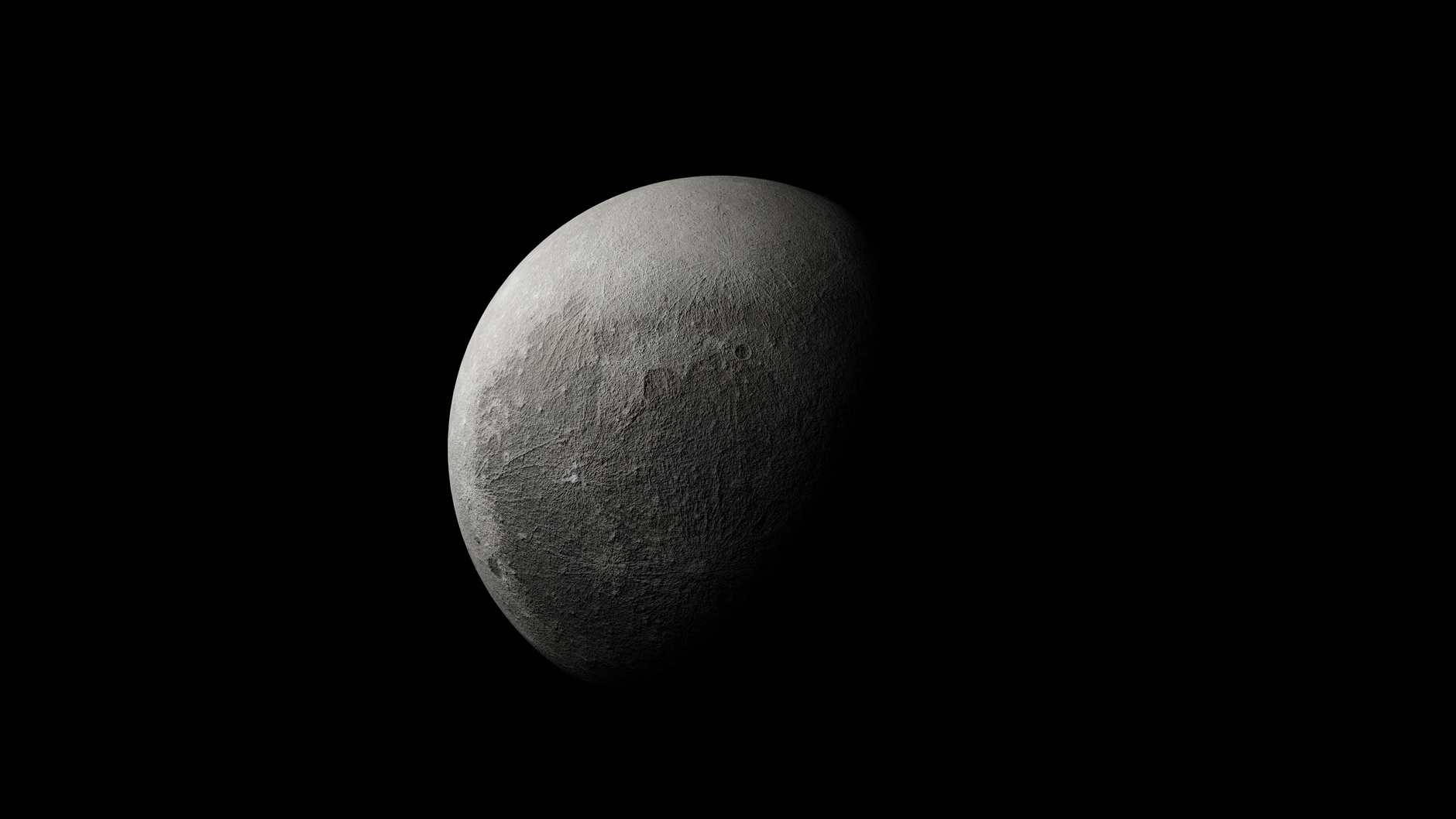
Saturn moons are a fascinating topic in the field of astronomy, with the planet boasting an impressive 293 confirmed moons as of June 2026. The saturn moons are a diverse group, ranging from small, irregular satellites to larger, more prominent moons like Titan and Enceladus. In this article, we will delve into the world of saturn moons, exploring their features, discovery, and significance in our understanding of the solar system.
The study of saturn moons is a complex and ongoing field of research, with scientists continually discovering new moons and learning more about the ones we already know. One of the most significant aspects of saturn moons is their sheer number, with the planet having more moons than any other in the solar system. This is due in part to the fact that Saturn is a gas giant, with a massive size and gravitational pull that allows it to capture and hold onto many smaller objects.
Saturn Moons: An Overview
The 6 major saturn moons are Titan, Mimas, Tethys, Enceladus, Dione, and Rhea. These moons are significant not only because of their size, but also due to their unique features and characteristics. Titan, for example, is the largest moon of Saturn and the second-largest moon in the solar system, with a diameter of over 5,000 kilometers. It has a thick atmosphere and lakes of liquid methane on its surface, making it a fascinating subject for study.
Mimas, on the other hand, is known for its large crater, Herschel, which gives it a distinctive “death star” appearance. Tethys has a surface composed primarily of water ice, and is thought to have a subsurface ocean that could potentially support life. Enceladus is another moon with a subsurface ocean, and is known for its geysers of water vapor and organic compounds that erupt from its southern pole.
The Discovery of Saturn Moons
The discovery of saturn moons dates back to the 17th century, when Dutch astronomer Christiaan Huygens discovered Titan in 1655. Since then, many more moons have been discovered, with the majority being found in the 20th century. The Voyager and Cassini missions have been instrumental in the discovery of new saturn moons, with the latter providing a wealth of information about the planet and its moons.
The discovery of new saturn moons is an ongoing process, with scientists using advanced telescopes and imaging techniques to detect and study these small, distant objects. The study of saturn moons is not only important for our understanding of the solar system, but also has implications for the search for life beyond Earth.
Implications and Questions to Watch
The study of saturn moons has significant implications for our understanding of the solar system and the potential for life beyond Earth. The discovery of subsurface oceans on moons like Enceladus and Tethys raises the possibility of life existing in these environments, and the study of these moons could provide valuable insights into the origins of life in the universe.
- The potential for life on saturn moons
- The discovery of new saturn moons and their characteristics
- The role of saturn moons in the search for life beyond Earth
- The implications of saturn moons for our understanding of the solar system
- The ongoing research and exploration of saturn moons
Conclusion
In conclusion, the study of saturn moons is a fascinating and complex field of research that continues to captivate scientists and astronomers. With their unique features, diverse characteristics, and potential for life, the saturn moons are an important area of study that can provide valuable insights into the solar system and the universe as a whole. As we continue to explore and learn more about the saturn moons, we may uncover new and exciting discoveries that challenge our current understanding of the cosmos.
Source: science.nasa.gov.






Be First to Comment