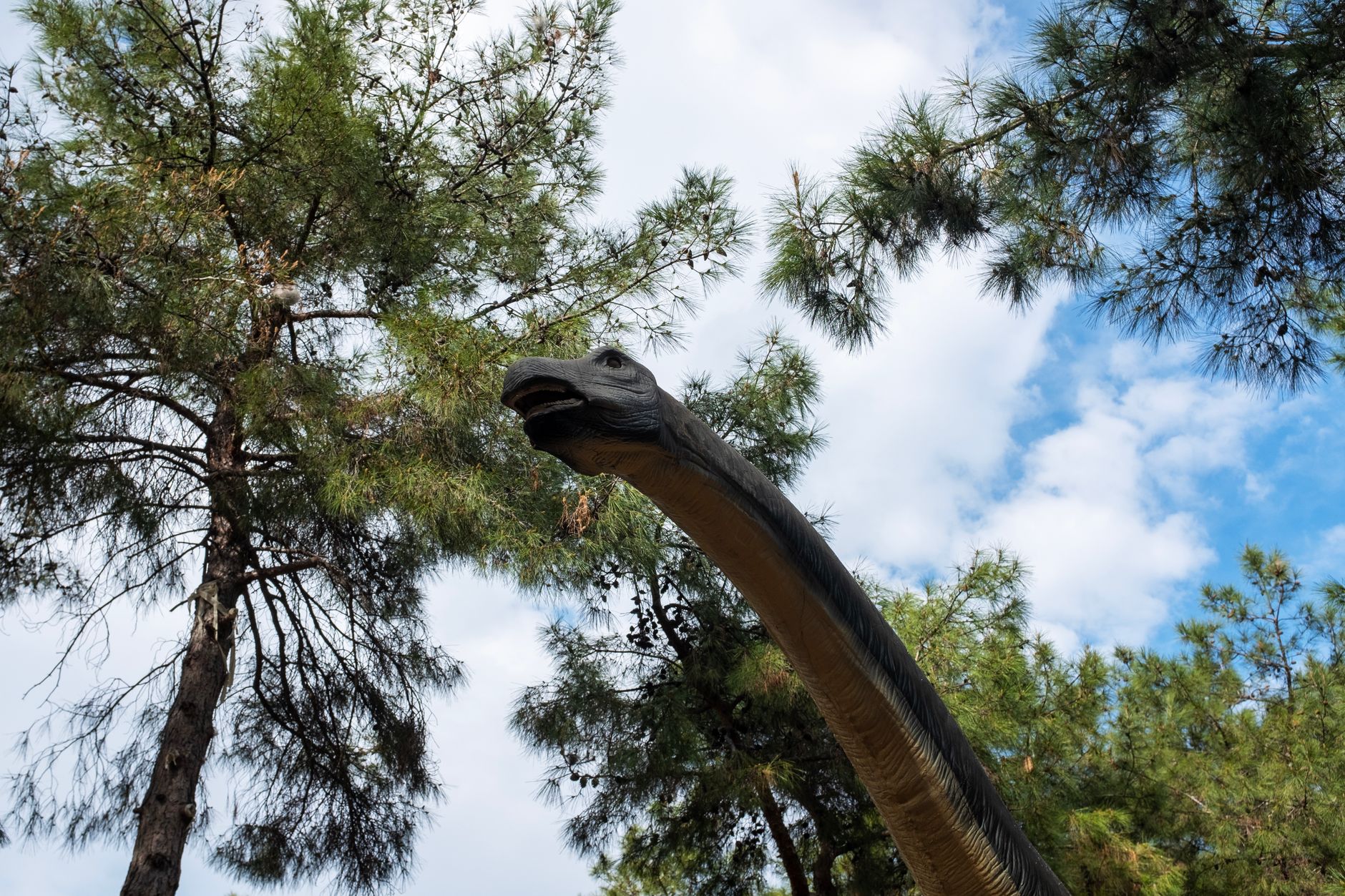
Sauropod giants were a group of dinosaurs that dominated the landscapes of South America during the Mesozoic era. These elephant-sized creatures were unusually well built for standing on their hind legs, with digital tests showing that their robust femurs handled enormous forces better than those of larger species. The upright pose may have helped them reach treetops, frighten predators, or impress potential mates.
The discovery of these sauropod giants has sparked a new wave of interest in the field of paleontology, with scientists eager to learn more about the lives of these fascinating creatures. One of the key questions that researchers are trying to answer is how these dinosaurs were able to support their massive bodies on two legs.
Sauropod Giants: The Power of Robust Femurs
According to digital tests, the robust femurs of the sauropod giants were able to handle the enormous forces that came with standing on two legs. This is particularly impressive when you consider that these dinosaurs were still young and growing, with their bones not yet fully developed. The fact that they were able to support their massive bodies on two legs is a testament to the incredible strength and agility of these creatures.
But why would the sauropod giants want to stand on two legs in the first place? One theory is that it allowed them to reach treetops and feed on leaves and fruits that were out of reach for other dinosaurs. Another theory is that it helped them to intimidate predators or attract mates, with the upright pose making them appear larger and more impressive.
The Benefits of Being a Sauropod Giant
So what were the benefits of being a sauropod giant? For one, it allowed them to reach food sources that were inaccessible to other dinosaurs. It also gave them an advantage when it came to defending themselves against predators, with the upright pose making them appear larger and more intimidating. And finally, it may have helped them to attract mates, with the impressive display of strength and agility making them more attractive to potential partners.
- Reaching treetops and feeding on leaves and fruits
- Intimidating predators with an upright pose
- Attracting mates with an impressive display of strength and agility
But being a sauropod giant was not without its challenges. For one, it required an enormous amount of energy to support their massive bodies on two legs. It also made them more vulnerable to predators, with the upright pose making them less stable and more prone to attack.
The Challenges of Being a Sauropod Giant
Despite the challenges, the sauropod giants were able to thrive in their environments. They were incredibly resilient and adaptable, with the ability to survive in a variety of different ecosystems. And they were able to evolve and change over time, with the development of new traits and characteristics that helped them to stay ahead of the competition.
Conclusion: The Legacy of the Sauropod Giants
In conclusion, the sauropod giants were a group of fascinating creatures that dominated the landscapes of South America during the Mesozoic era. Their ability to stand on two legs and reach treetops was just one of the many impressive traits that made them so successful. As we continue to learn more about these incredible dinosaurs, we are reminded of the importance of adaptability and resilience in the face of adversity. And we are inspired by the legacy of the sauropod giants, who continue to capture our imagination and spark our curiosity about the natural world.
Source: sciencedaily.com.






Be First to Comment