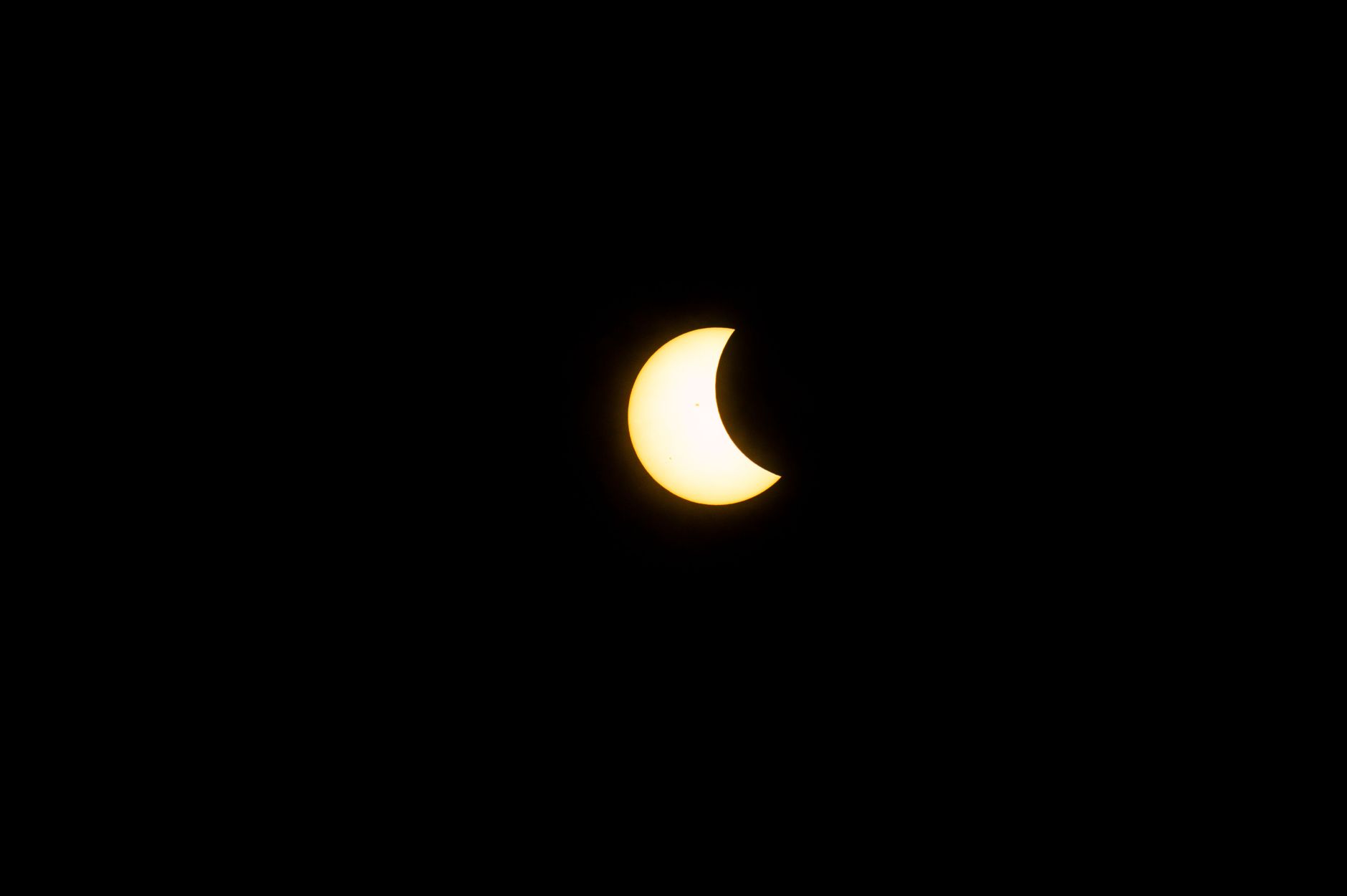
The solar eclipse is a rare and awe-inspiring event that has captivated humans for centuries. Next week, skywatchers are set to witness a deep partial solar eclipse, where most of the sun will be eclipsed across the island of Ireland. This event is a precursor to the peak of the Perseid meteor shower, offering a unique opportunity for stargazers to observe two major celestial events in quick succession.
The solar eclipse is a complex phenomenon that occurs when the moon passes between the earth and the sun, casting a shadow on the earth’s surface. The path of the eclipse will vary across different regions, with some areas experiencing a total eclipse and others witnessing a partial eclipse. In the case of the island of Ireland, most of the sun will be eclipsed, providing a spectacular view for those who are lucky enough to witness it.
Solar Eclipse: What to Expect
The solar eclipse is expected to occur next week, with the exact timing and path of the eclipse dependent on various celestial factors. Skywatchers can expect to see a significant portion of the sun obscured by the moon, with the eclipse reaching its peak during the late morning or early afternoon. It is essential to note that observers should use proper eye protection, such as solar viewing glasses or handheld solar viewers, to avoid damaging their eyes.
The solar eclipse is not only a visually stunning event but also an opportunity for scientists to study the sun’s corona, the outer atmosphere of the sun. By observing the eclipse, researchers can gain valuable insights into the sun’s magnetic field, solar wind, and other phenomena that affect the earth’s climate and space weather.
Perseid Meteor Shower: A Spectacular Display
The Perseid meteor shower is one of the most popular and spectacular meteor showers of the year, with peak activity occurring next week. The shower is caused by the earth passing through the trail of debris left behind by the Swift-Tuttle comet, which orbits the sun every 133 years. As the earth encounters these particles, they burn up in the atmosphere, producing a bright streak of light in the sky.
- The Perseid meteor shower is known for its high rate of meteors, with up to 60 meteors per hour at its peak
- The shower is best observed in the late evening or early morning hours, when the sky is darkest
- Observers can expect to see a range of meteor sizes, from small, faint streaks to large, bright fireballs
The combination of the solar eclipse and the Perseid meteor shower offers a unique opportunity for skywatchers to observe two major celestial events in quick succession. Whether you are a seasoned astronomer or a casual observer, these events are sure to inspire a sense of wonder and awe at the beauty and complexity of the universe.
Conclusion and Future Prospects
In conclusion, the solar eclipse and the Perseid meteor shower are two exciting celestial events that are set to occur next week. As we continue to explore and understand the universe, events like these remind us of the awe-inspiring beauty and complexity of the cosmos. As we look to the future, it will be exciting to see what new discoveries and observations are made possible by advances in technology and our ongoing exploration of the universe.
Source: bbc.co.uk.






Be First to Comment