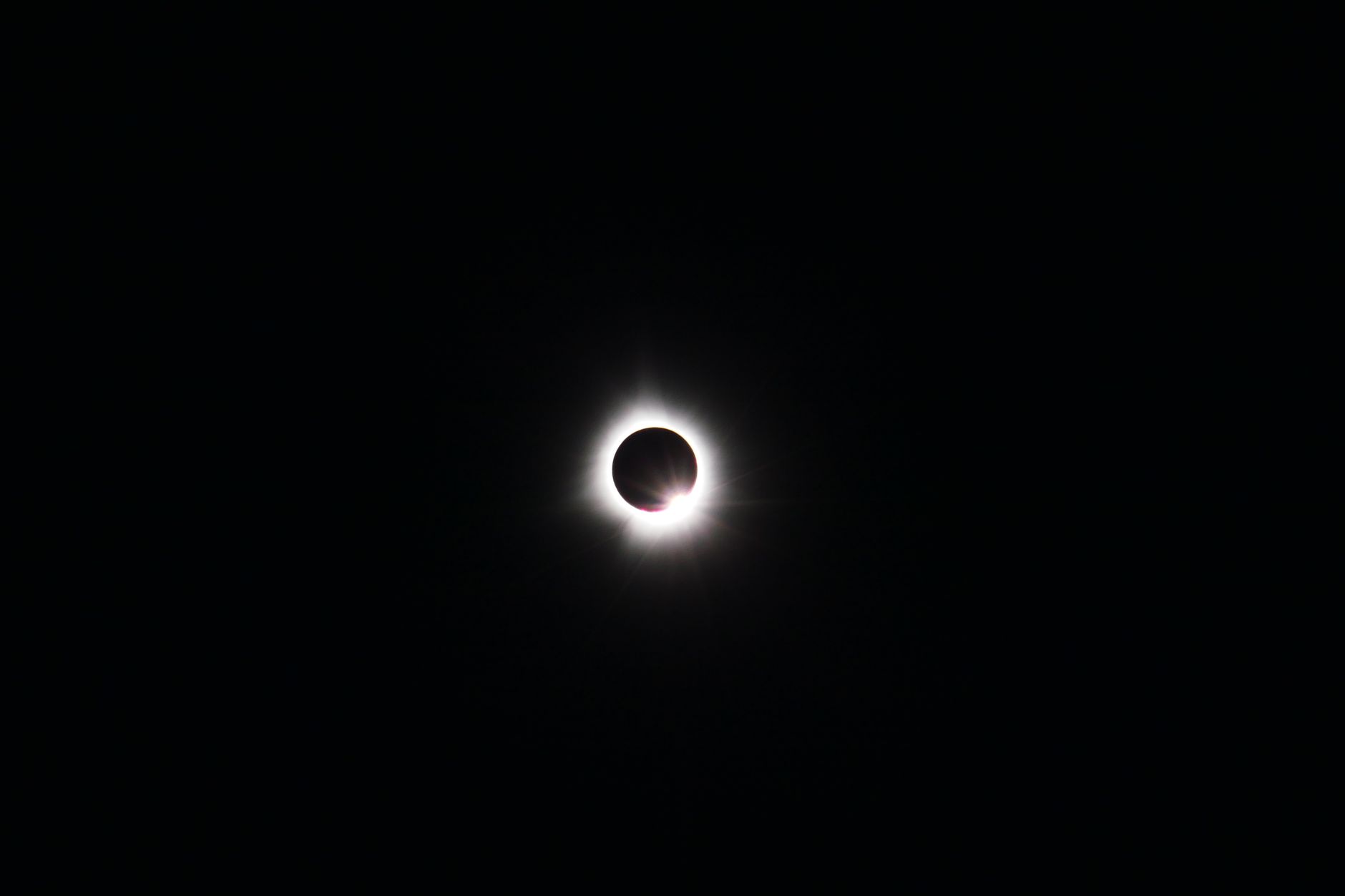
The solar eclipse is a rare and awe-inspiring event that has captivated humans for centuries. In August 2026, skywatchers will have the opportunity to witness a total solar eclipse, as well as other exciting events such as the Perseid meteor shower and a partial lunar eclipse. The solar eclipse will take place on August 12, and will be visible from northern Russia, Greenland, Iceland, and parts of Europe.
The path of totality for the solar eclipse will be approximately 100 miles wide, and will stretch from the northernmost tip of Russia to the western coast of Africa. Skywatchers in the United States will be able to see a partial eclipse, with the moon covering up to 50% of the sun’s disk.
Solar Eclipse 2026: What to Expect
The solar eclipse will begin at around 10am UTC, and will last for approximately 2 hours. The maximum eclipse will occur at around 11:30am UTC, when the moon will cover the majority of the sun’s disk. Skywatchers should be sure to use certified eclipse glasses or a safe solar viewer to protect their eyes during the eclipse.
In addition to the solar eclipse, August 2026 will also feature the Perseid meteor shower, which will peak on the night of August 12-13. The Perseid meteor shower is one of the most popular and spectacular meteor showers of the year, with up to 60 meteors per hour visible in the night sky.
Perseid Meteor Shower: Tips for Viewing
To view the Perseid meteor shower, skywatchers should find a dark location with minimal light pollution. The best time to view the meteor shower will be between midnight and 4am, when the constellation Perseus is highest in the sky. Skywatchers should dress warmly and bring a blanket or chair to make the experience more comfortable.
- Find a dark location with minimal light pollution
- Dress warmly and bring a blanket or chair
- Use binoculars or a telescope to get a closer look at the meteors
The Perseid meteor shower is caused by the Earth passing through a debris stream left behind by the comet Swift-Tuttle. As the Earth encounters the debris stream, the small particles of ice and rock burn up in the atmosphere, producing the bright streaks of light that we see as meteors.
Lunar Eclipse: A Rare and Spectacular Event
In addition to the solar eclipse and Perseid meteor shower, August 2026 will also feature a partial lunar eclipse. The lunar eclipse will take place on the night of August 27-28, and will be visible from much of North and South America, as well as parts of Europe and Africa.
The lunar eclipse will occur when the Earth passes between the sun and the moon, blocking the sunlight that normally reflects off the moon’s surface. The Earth’s shadow will fall on the moon, causing it to darken and sometimes take on a reddish hue.
Conclusion: Skywatching in August 2026
August 2026 is shaping up to be an exciting month for skywatchers, with a total solar eclipse, the Perseid meteor shower, and a partial lunar eclipse all taking place. Whether you’re a seasoned astronomer or just starting to explore the night sky, these events are sure to be unforgettable. So mark your calendars, grab your binoculars or telescope, and get ready to experience the wonder of the solar eclipse and other skywatching events in August 2026.
Source: science.nasa.gov.






Be First to Comment