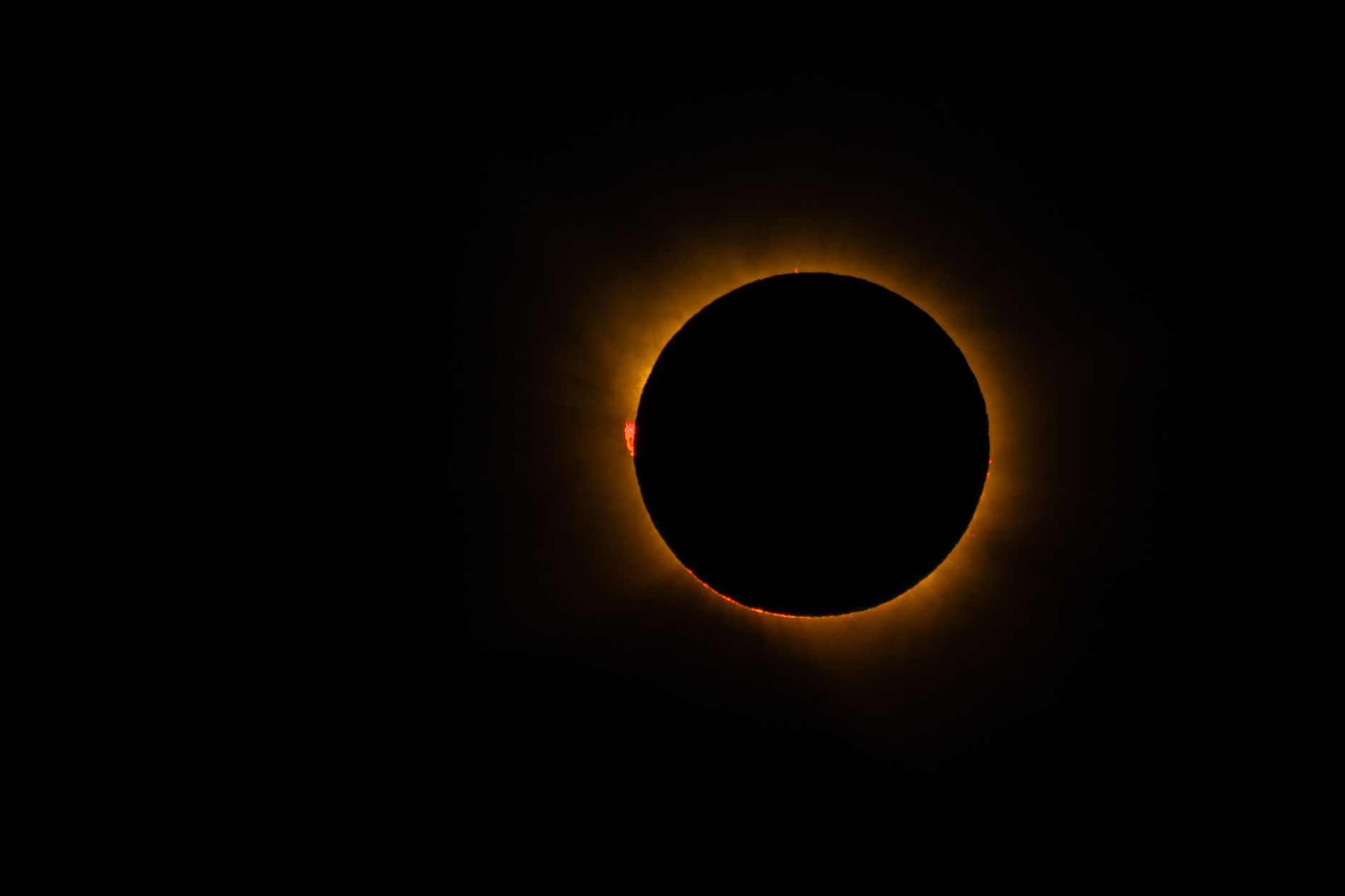
The solar eclipse 2026 was a rare and awe-inspiring event that brought a moment of totality to parts of the Arctic Ocean and Europe. On August 12, the Moon’s shadow reached out to touch our fair planet, sweeping along a narrow track that led the dark lunar umbra across parts of Greenland, Iceland, the Atlantic, Portugal, and northern Spain.
For a moment, denizens of Earth who found themselves with clear skies under the shadow of the Moon could witness a total solar eclipse. This phenomenon is a rare occurrence, and the 2026 solar eclipse was no exception, with many people traveling to remote locations to catch a glimpse of the event.
Solar Eclipse 2026: A Rare Moment of Totality
The path of totality for the solar eclipse 2026 was a narrow track that spanned across the Arctic Ocean, Greenland, and parts of Europe. The eclipse began in the Arctic Ocean and swept across the Greenland east coast, where the first unobstructed views of the totally eclipsed Sun were captured.
One of the most stunning images of the eclipse was captured by Aditya Madhavan, who dodged the weather by sea and made a landing along Rype Fjord on the Greenland east coast. The image shows a break in the clouds, revealing one of the eclipse’s transient diamond rings and the magnificent solar corona emerging near the moment totality began.
Understanding the Solar Eclipse 2026
A solar eclipse occurs when the Moon passes between the Earth and the Sun, blocking the Sun’s light and casting a shadow on the Earth. The Moon’s shadow has two parts: the umbra, which is the darker inner shadow where the Sun is completely blocked, and the penumbra, which is the lighter outer shadow where the Sun is only partially blocked.
The solar eclipse 2026 was a total solar eclipse, which means that the Moon’s umbra touched the Earth’s surface, causing a total eclipse of the Sun. This type of eclipse is rare because the Moon’s orbit is tilted at an angle of about 5 degrees with respect to the Earth’s orbit around the Sun, so the Moon’s shadow usually falls above or below the Earth.
Implications of the Solar Eclipse 2026
The solar eclipse 2026 had significant implications for scientists and astronomers, who used the event to study the Sun’s corona and the Moon’s shadow. The eclipse also provided a rare opportunity for scientists to study the effects of the Moon’s shadow on the Earth’s atmosphere and the behavior of animals during the eclipse.
- The solar eclipse 2026 was a rare moment of totality that brought people together to witness a awe-inspiring event.
- The eclipse provided a unique opportunity for scientists to study the Sun’s corona and the Moon’s shadow.
- The eclipse had significant implications for our understanding of the Earth’s atmosphere and the behavior of animals during the eclipse.
Conclusion: The Solar Eclipse 2026
In conclusion, the solar eclipse 2026 was a rare and awe-inspiring event that brought a moment of totality to parts of the Arctic Ocean and Europe. The eclipse provided a unique opportunity for scientists to study the Sun’s corona and the Moon’s shadow, and had significant implications for our understanding of the Earth’s atmosphere and the behavior of animals during the eclipse.
Source: science.nasa.gov.






Be First to Comment