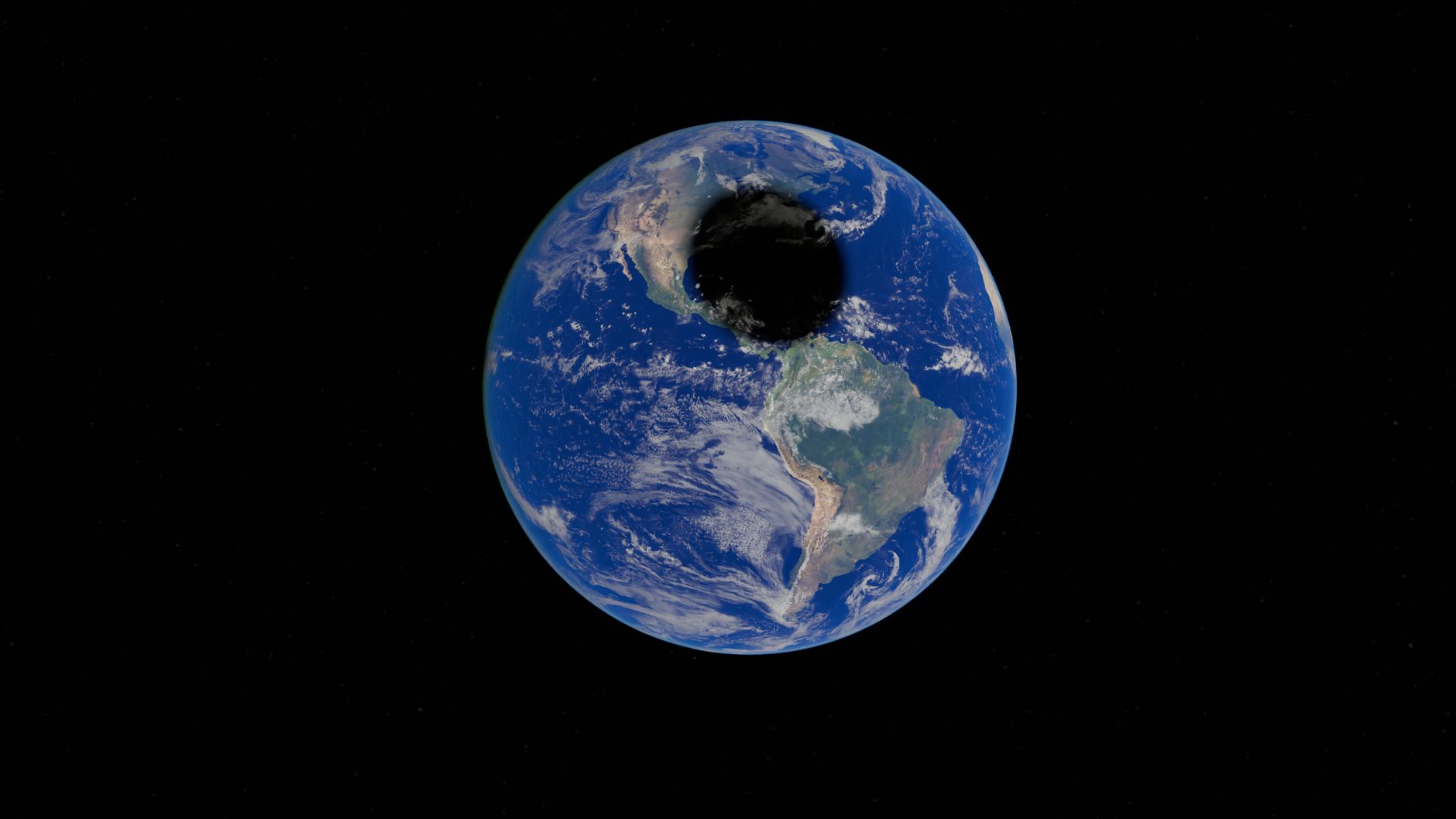
NASA is gearing up for the total solar eclipse on August 12, 2026, which will be visible in parts of Greenland, Iceland, and Spain. This rare celestial event presents a unique opportunity for scientists to study the Sun’s corona, its outer atmosphere, and how it affects the Earth’s atmosphere. The solar eclipse 2026 will be a significant event for NASA, as it will provide valuable insights into the Sun’s dynamics and its impact on our planet.
The Sun’s corona is a complex and dynamic region, with temperatures reaching millions of degrees. During a total solar eclipse, the Moon blocks the direct light from the Sun, allowing scientists to study the corona in detail. NASA’s scientists will be using a range of instruments, including high-altitude jets and scientific balloons, to investigate the corona and its effects on the Earth’s atmosphere.
Solar Eclipse 2026: NASA’s Research Objectives
NASA’s research objectives for the solar eclipse 2026 include studying the Sun’s corona, its dynamics, and its impact on the Earth’s atmosphere. The agency will be using a range of instruments, including the WB-57 high-altitude research aircraft, to capture high-resolution images of the corona. The WB-57 will be equipped with a suite of cameras that will take high-resolution images of the corona in several different wavelengths of visible and infrared light.
The solar eclipse 2026 will also provide an opportunity for scientists to study the Earth’s atmosphere and how it responds to the sudden darkening of the skies. The NASA-supported Nationwide Eclipse Ballooning Project will be launching scientific balloons to measure the changes in the atmosphere during the eclipse. The balloons will be equipped with instruments to measure the temperature, humidity, and wind speed in the atmosphere, providing valuable insights into the Earth’s atmospheric response to the eclipse.
Solar Eclipse 2026: The Science Behind the Event
The solar eclipse 2026 is a rare celestial event that occurs when the Moon passes directly between the Earth and the Sun, blocking the direct light from the Sun. The eclipse will be visible in parts of Greenland, Iceland, and Spain, and will provide a unique opportunity for scientists to study the Sun’s corona and its effects on the Earth’s atmosphere.
- The Sun’s corona is a complex and dynamic region, with temperatures reaching millions of degrees.
- The solar eclipse 2026 will provide valuable insights into the Sun’s dynamics and its impact on the Earth’s atmosphere.
- NASA’s scientists will be using a range of instruments, including high-altitude jets and scientific balloons, to investigate the corona and its effects on the Earth’s atmosphere.
The solar eclipse 2026 will be an important event for NASA, as it will provide valuable insights into the Sun’s corona and its effects on the Earth’s atmosphere. The agency’s scientists will be working tirelessly to capture high-resolution images of the corona and to study the Earth’s atmospheric response to the eclipse.
Solar Eclipse 2026: Implications and Future Research
The solar eclipse 2026 will have significant implications for our understanding of the Sun’s corona and its effects on the Earth’s atmosphere. The event will provide valuable insights into the Sun’s dynamics and its impact on our planet, and will inform future research into the Sun’s corona and its effects on the Earth’s atmosphere. NASA’s scientists will be analyzing the data from the eclipse for months to come, providing new insights into the Sun’s corona and its effects on the Earth’s atmosphere.
Solar Eclipse 2026: Conclusion
In conclusion, the solar eclipse 2026 will be a significant event for NASA, providing valuable insights into the Sun’s corona and its effects on the Earth’s atmosphere. The agency’s scientists will be working tirelessly to capture high-resolution images of the corona and to study the Earth’s atmospheric response to the eclipse. The event will have significant implications for our understanding of the Sun’s corona and its effects on the Earth’s atmosphere, and will inform future research into the Sun’s corona and its effects on the Earth’s atmosphere.
Source: science.nasa.gov.






Be First to Comment