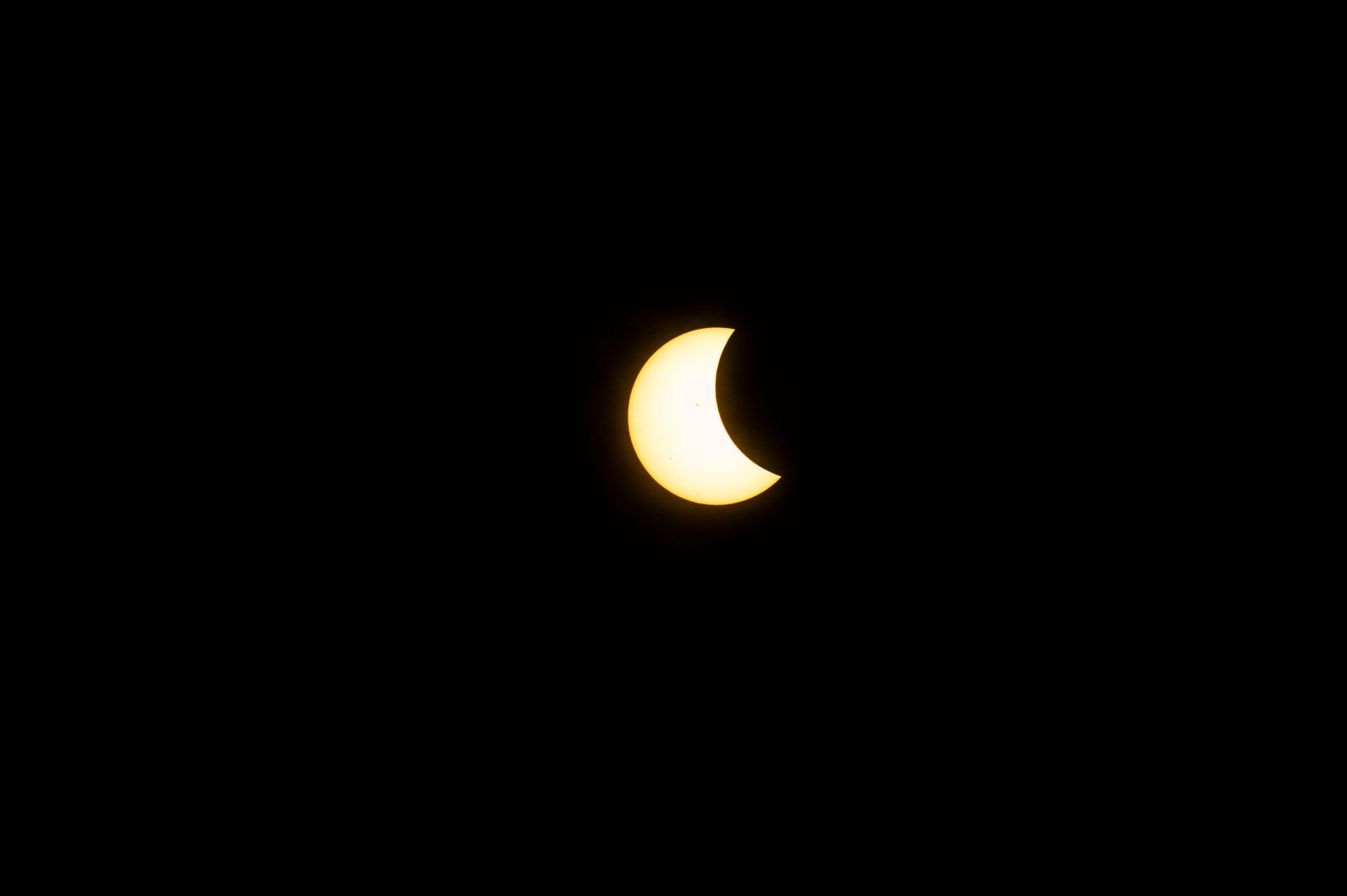
The solar eclipse, a rare and awe-inspiring event, left some in Scotland disappointed, while others experienced moments of magic. Scotland’s best chance of seeing a solar eclipse in 27 years was highly anticipated, with many eager to witness this phenomenon. The solar eclipse is a rare event where the moon passes between the earth and the sun, blocking the sun’s light and casting a shadow on the earth.
The path of the solar eclipse was predicted to pass through parts of Scotland, giving residents a unique opportunity to witness this event. However, cloudy skies in some areas hindered the view, leaving some disappointed. Despite the challenges, many were able to catch glimpses of the solar eclipse, describing it as a once-in-a-lifetime experience.
Solar Eclipse: A Rare Event
A solar eclipse occurs when the moon passes directly between the earth and the sun, blocking the sun’s light and casting a shadow on the earth. This event is rare because the moon’s orbit is tilted at an angle of about 5 degrees with respect to the earth’s orbit around the sun. As a result, the moon’s shadow usually falls above or below the earth, making a solar eclipse a rare occurrence.
The solar eclipse is also a significant event for scientists, who study the sun’s corona and the moon’s shadow to gain insights into the sun’s behavior and the earth’s atmosphere. The data collected during a solar eclipse can help scientists better understand the sun’s impact on the earth’s climate and the potential risks associated with solar activity.
Scotland’s Solar Eclipse Experience
Scotland’s experience with the solar eclipse was mixed, with some areas experiencing clear skies and others being hindered by clouds. The cloudy skies in some areas made it difficult for people to witness the solar eclipse, leading to disappointment. However, many were able to catch glimpses of the event, describing it as a unique and awe-inspiring experience.
Some of the key factors that affected the viewing experience in Scotland included the time of day, the location, and the weather conditions. The solar eclipse occurred during the morning hours, when the sun was still low in the sky, making it more challenging to view. Additionally, the weather conditions in some areas were not ideal, with clouds and fog reducing visibility.
Implications and Questions to Watch
The solar eclipse in Scotland raises several questions and implications for the future. One of the key questions is how to improve the viewing experience for future solar eclipses. This could involve investing in technology and infrastructure to enhance the viewing experience, such as specialized telescopes and viewing equipment.
Another question to watch is how scientists will utilize the data collected during the solar eclipse to better understand the sun’s behavior and its impact on the earth’s climate. The data collected during the solar eclipse can provide valuable insights into the sun’s corona and the earth’s atmosphere, helping scientists to better understand the risks associated with solar activity.
- Improved technology and infrastructure to enhance the viewing experience
- Scientific research and data collection to better understand the sun’s behavior
- Public awareness and education campaigns to promote the importance of solar eclipses
Conclusion
The solar eclipse in Scotland was a rare and awe-inspiring event that left some disappointed, while others experienced moments of magic. The event highlights the importance of investing in technology and infrastructure to enhance the viewing experience, as well as the need for scientific research and data collection to better understand the sun’s behavior. As the world waits for the next solar eclipse, it is essential to promote public awareness and education campaigns to appreciate the significance of this event.
Source: bbc.co.uk.





Be First to Comment