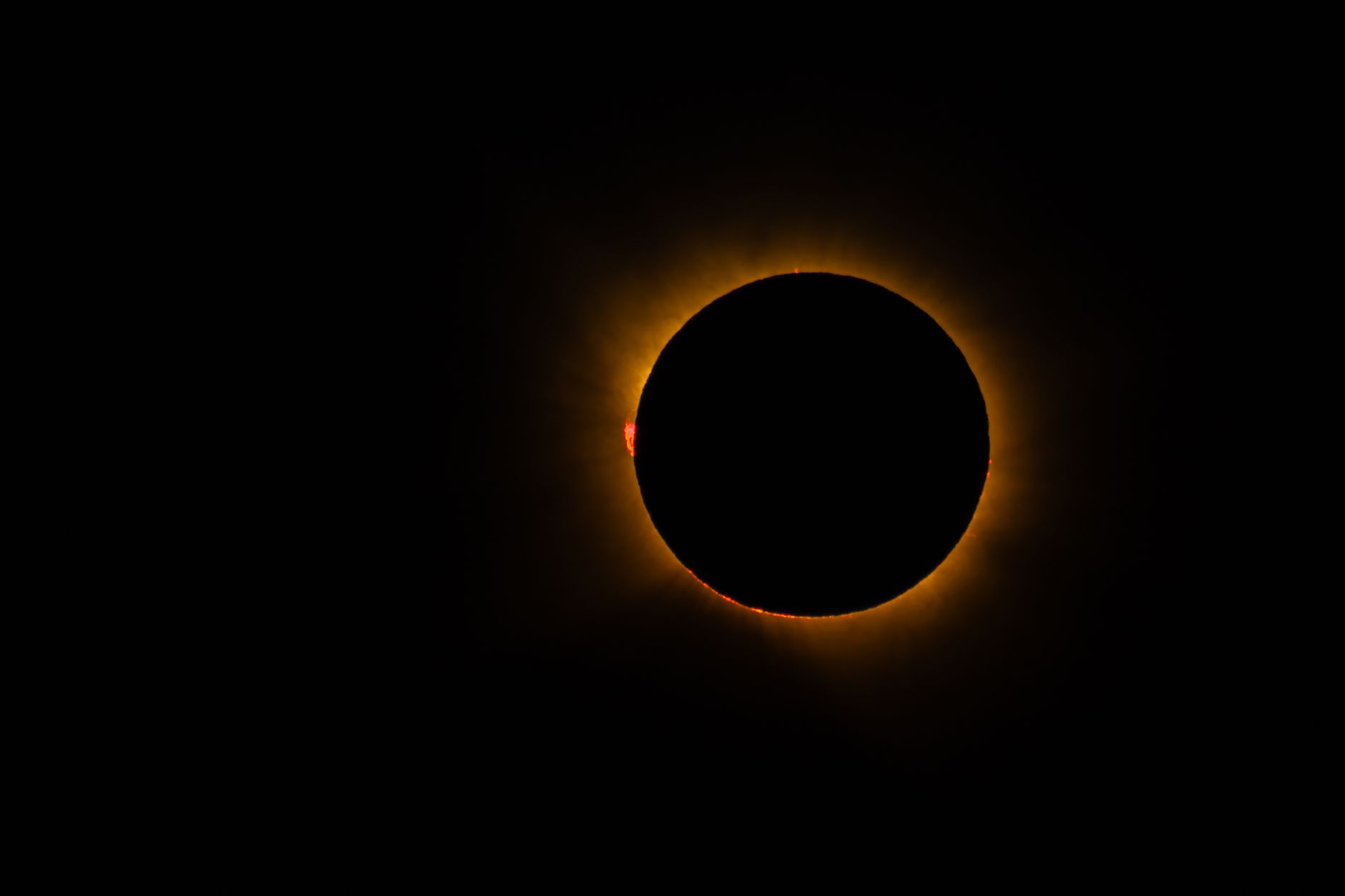
The solar eclipse 2026 is a rare event that has garnered significant attention in the world of astronomy and science. This phenomenon occurs when the moon passes directly between the earth and the sun, blocking the sun’s light and casting a shadow on the earth. The solar eclipse 2026 is particularly notable as it will be visible in parts of Greenland, Iceland, northern Russia, the Atlantic Ocean, Spain, and a small corner of Portugal.
The path of totality, where the eclipse will be visible in its entirety, will be approximately 100 miles wide and will stretch for over 4,000 miles. This provides a unique opportunity for scientists to study the sun’s corona, the outer atmosphere of the sun, which is normally invisible due to the brightness of the sun.
Solar Eclipse 2026: A Rare Event
The solar eclipse 2026 is a rare event that occurs when the moon’s orbit brings it between the earth and the sun. This alignment is necessary for a solar eclipse to occur, and it happens relatively infrequently due to the tilt of the moon’s orbit. The solar eclipse 2026 will be the first total solar eclipse visible from Europe since 2015.
The eclipse will also be visible in parts of the U.S., most of Canada, much of Europe, and northwest Africa, although it will only be a partial eclipse in these regions. The partial eclipse will still provide a unique opportunity for scientists to study the sun’s corona and for the public to witness a rare astronomical event.
Scientific Significance of the Solar Eclipse 2026
The solar eclipse 2026 provides a unique opportunity for scientists to study the sun’s corona, which is normally invisible due to the brightness of the sun. By studying the corona during the eclipse, scientists can gain insights into the sun’s magnetic field, solar wind, and the sun’s impact on the earth’s magnetic field.
The solar eclipse 2026 will also provide an opportunity for scientists to test new technologies and instruments, such as advanced telescopes and spectrometers. These instruments will allow scientists to study the sun’s corona in greater detail than ever before, providing new insights into the sun’s behavior and its impact on the earth.
Preparing for the Solar Eclipse 2026
To prepare for the solar eclipse 2026, scientists and astronomers are working together to develop new technologies and instruments to study the sun’s corona. The public can also prepare by purchasing special solar viewing glasses or handheld solar viewers that meet international safety standards.
It is essential to use proper eye protection when viewing the solar eclipse, as looking directly at the sun can cause serious eye damage. The solar eclipse 2026 will be a rare and significant event, and with proper preparation, it can be a unique and educational experience for scientists and the public alike.
- Use special solar viewing glasses or handheld solar viewers that meet international safety standards
- Avoid looking directly at the sun without proper eye protection
- Use a pinhole projector to safely view the solar eclipse
Conclusion and Future Implications
The solar eclipse 2026 will be a significant event in the world of astronomy and science, providing a unique opportunity for scientists to study the sun’s corona and for the public to witness a rare astronomical event. As scientists continue to study the sun and its behavior, we can expect to gain new insights into the sun’s impact on the earth and the universe as a whole. The solar eclipse 2026 will be an exciting and educational experience, and it will undoubtedly drive new discoveries and advancements in the field of astronomy and science.
Source: nasa.gov.






Be First to Comment