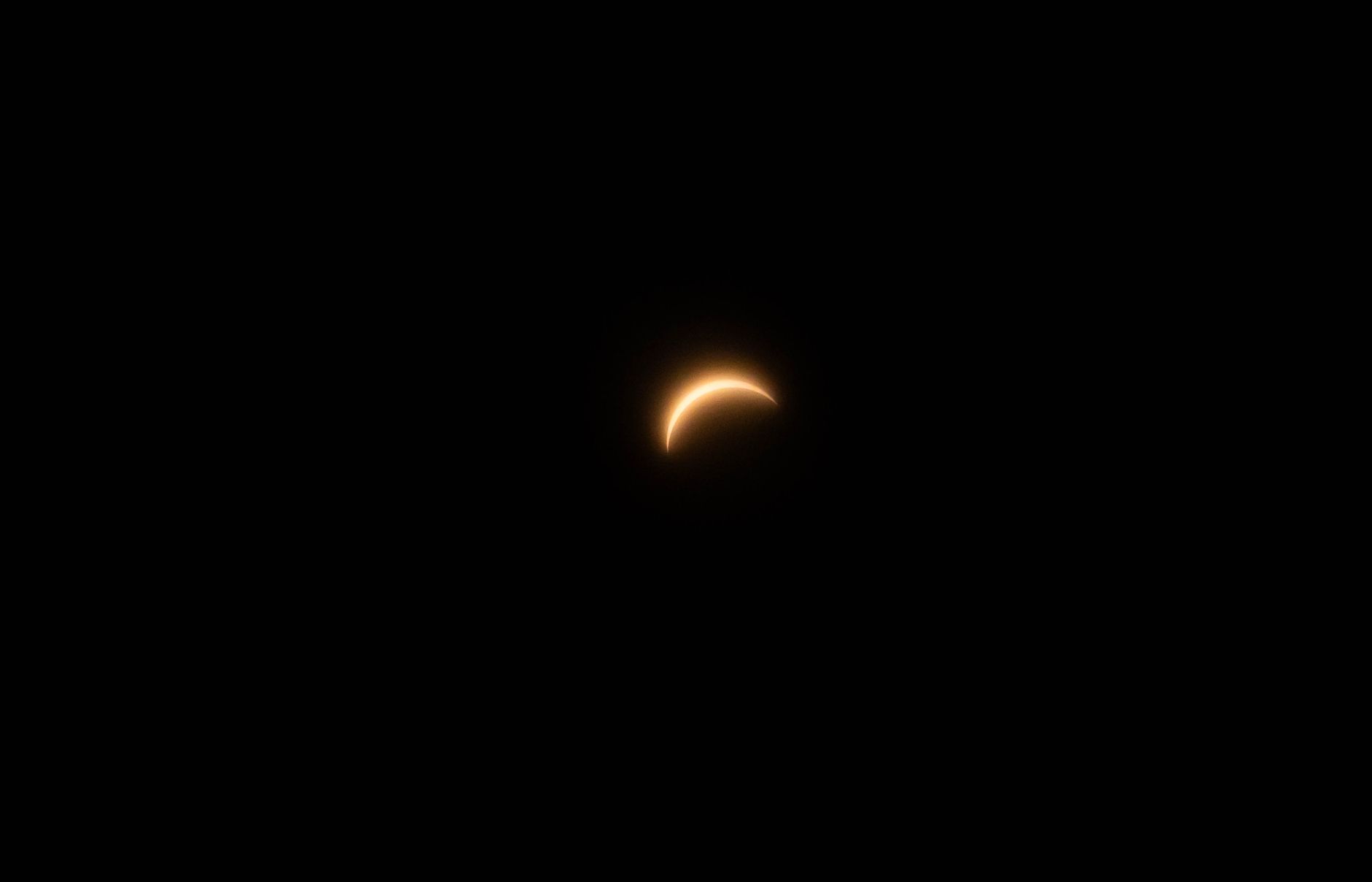
A solar eclipse is a rare and awe-inspiring celestial event where the moon passes between the earth and the sun, casting a shadow on our planet. On August 12, 2026, a total solar eclipse will be visible in parts of Greenland, Iceland, northern Russia, the Atlantic Ocean, Spain, and a small corner of Portugal. This event is a unique opportunity for scientists to study the sun’s corona and the earth’s atmosphere.
NASA will stream the eclipse live, providing views across the path and interviews with subject matter experts through various platforms. The agency will conduct experiments in the path of totality, including a NASA-funded science team that will chase the moon’s shadow with a WB-57 high-altitude research aircraft to investigate the dynamics of the sun’s corona.
Solar Eclipse 2026: What to Expect
Viewers in other places in the Northern Hemisphere will also have the chance to experience a partial solar eclipse, including parts of the U.S. (from Alaska to North Carolina), most of Canada, much of Europe, and northwestern Africa. The eclipse will begin at 1:15 p.m. Eastern Time, with totality beginning in Iceland at 1:45 p.m. and in Spain at 2:28 p.m.
NASA’s eclipse coverage will include photography, with photos of the eclipse available shortly after the event on the agency’s Flickr account. The public can also engage with NASA experts on social media, submitting questions and sharing their experiences using specific hashtags.
Scientific Research and Experiments
The solar eclipse provides a unique opportunity for scientists to conduct research and experiments. The NASA-supported Nationwide Eclipse Ballooning Project is sending students from several U.S. universities to Iceland and Spain to launch scientific balloons before, during, and after the eclipse to study how the temporary darkening of our skies affects the earth’s atmosphere.
- Study the sun’s corona and its dynamics
- Investigate the effects of the eclipse on the earth’s atmosphere
- Conduct experiments on the moon’s shadow and its impact on our planet
Conclusion and Future Research
In conclusion, the solar eclipse 2026 is a significant event that offers a rare opportunity for scientists to study the sun’s corona and the earth’s atmosphere. With NASA’s live coverage and scientific research, the public can experience and learn from this celestial event. As we look to the future, it is essential to continue exploring and understanding our universe, and events like the solar eclipse 2026 will play a crucial role in advancing our knowledge and understanding of the cosmos.
Source: nasa.gov.






Be First to Comment